2025 Chevy Blazer Reliability and Common Problems
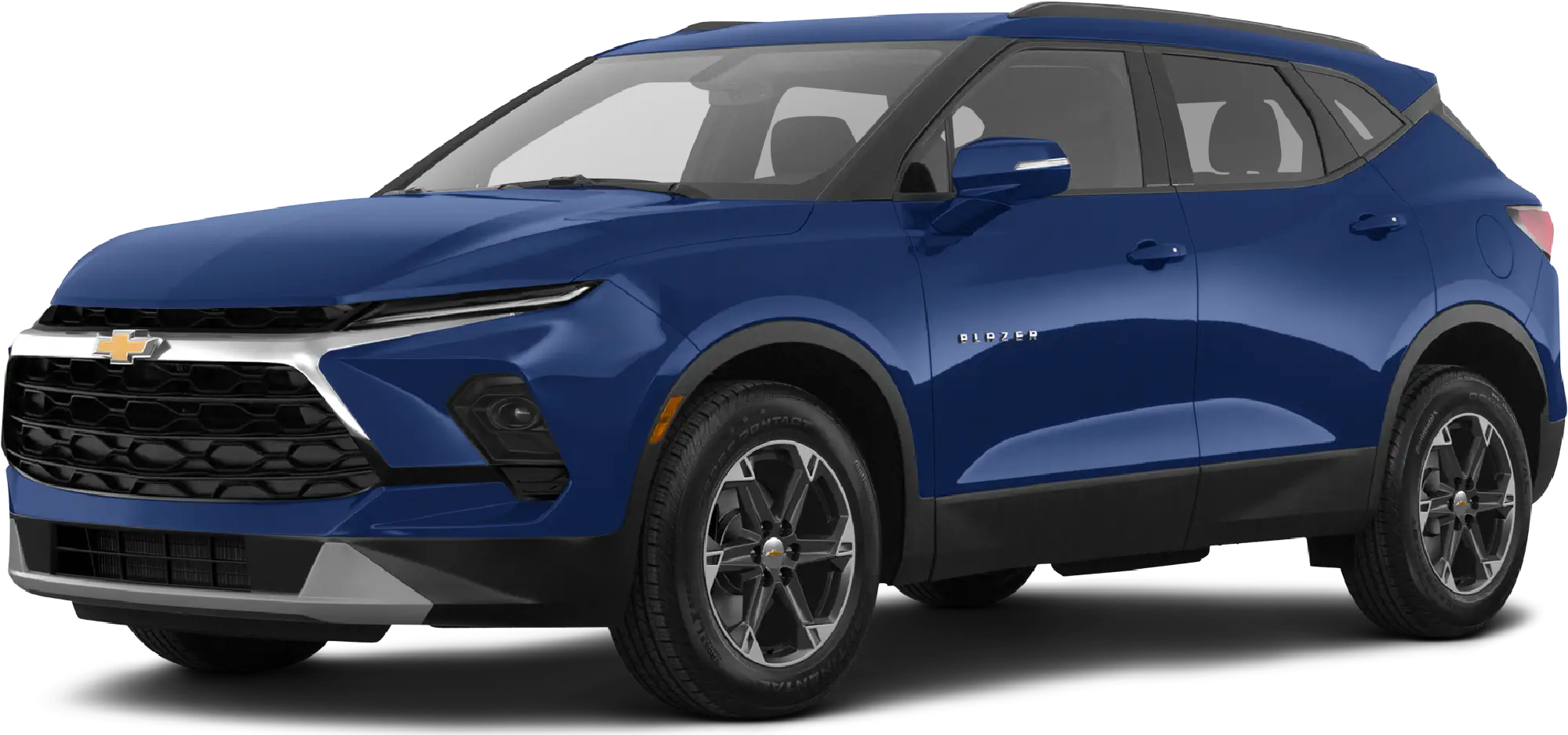
Chevrolet Blazer reliability has improved over the past several model years, making the midsize SUV an appealing choice for drivers who want sporty styling, modern technology, and everyday practicality.
Positioned between the Equinox and Traverse, the 2025 Chevy Blazer offers a comfortable ride, available all-wheel drive, and a choice of capable engines. Like any modern SUV, though, long-term ownership depends on maintenance, driving habits, and addressing issues before they become expensive repairs.
Whether you’re shopping for a new Blazer or planning to keep yours well beyond the factory warranty period, understanding common concerns and expected repair costs can help you make smarter ownership decisions.
The 2025 Chevrolet Blazer continues to build on GM’s midsize crossover platform that has been refined over multiple years. Industry reliability expectations are generally above average thanks to proven powertrains and continuous software updates.
Available engines include:
| Engine | Horsepower | Transmission |
|---|---|---|
| 2.0L Turbocharged I4 | 228 hp | 9-speed automatic |
| 3.6L V6 | 308 hp | 9-speed automatic |
Both engines have demonstrated solid durability when serviced according to Chevrolet’s maintenance schedule. The naturally aspirated 3.6-liter V6 has been used throughout GM’s lineup for years and is generally considered the more proven long-term option, while the turbocharged four-cylinder offers better fuel economy with additional complexity.
Owners who perform routine maintenance often see well over 150,000 miles with relatively few major mechanical problems.
Although the 2025 model benefits from ongoing improvements, every vehicle has potential weak points.
Common issues reported across recent Chevrolet Blazer model years include:
| Problem | Symptoms | Approximate Repair Cost |
|---|---|---|
| Infotainment software glitches | Frozen screen, rebooting display | $150 to $800 |
| Battery drain | Dead battery after sitting | $200 to $500 |
| Electronic sensor failures | Warning lights, driver assist errors | $250 to $1,200 |
| HVAC actuator failure | Clicking noises, incorrect temperature | $400 to $900 |
| Suspension component wear | Clunks over bumps | $500 to $1,500 |
Many of these issues involve electronics rather than major engine or transmission failures, which is common among today’s technology-heavy SUVs.
The majority of software-related concerns can often be resolved through dealership updates or module reprogramming.
Repair costs vary depending on mileage, location, and whether the vehicle remains under warranty.
Here are typical repair estimates owners may encounter after warranty expiration:
| Repair | Estimated Cost |
|---|---|
| Diagnostic inspection | $150 to $250 |
| Alternator replacement | $700 to $1,100 |
| Radiator replacement | $900 to $1,500 |
| Water pump replacement | $900 to $1,600 |
| Air conditioning compressor | $1,100 to $2,000 |
| Transmission repair | $3,500 to $6,500 |
| Engine repair | $5,000 to $9,000+ |
While catastrophic failures remain relatively uncommon, today’s vehicles contain dozens of electronic control modules, advanced safety systems, and expensive sensors that can significantly increase repair bills.
Preventive maintenance remains the single biggest factor affecting Chevrolet Blazer reliability.
Owners should prioritize:
Consistent maintenance reduces wear while helping technicians identify developing problems early.
Not every vehicle problem results in a recall.
Manufacturers often issue Technical Service Bulletins (TSBs) when dealerships identify recurring issues along with recommended repair procedures. A TSB is not the same as a recall because it does not automatically require free repairs, but it provides valuable guidance for diagnosing known concerns.
Owners can search for TSBs through the National Highway Traffic Safety Administration (NHTSA) website at https://www.nhtsa.gov, enter their VIN in Chevrolet’s owner portal, or ask a Chevrolet dealership to review any applicable service bulletins during routine maintenance.
Checking for TSBs periodically can help resolve issues more efficiently and may reduce diagnostic time.
Overall, the answer is no for most buyers.
The 2025 Chevrolet Blazer benefits from mature engineering, proven engines, and years of platform refinement. Most reported problems involve electronics, infotainment software, or normal wear items rather than widespread mechanical failures.
Drivers who maintain their vehicles according to Chevrolet’s recommended service schedule can reasonably expect many years of dependable ownership.
As mileage increases beyond 60,000 to 100,000 miles, repair costs naturally become more unpredictable. Modern driver assistance systems, advanced climate controls, and electronic modules are significantly more expensive than comparable components found on older vehicles.
Planning for those future repair expenses can help reduce unexpected ownership costs.
Many owners begin researching protection plans as their original Chevrolet warranty approaches expiration.
An extended vehicle service contract can help offset the cost of covered repairs involving expensive components such as electronics, engine systems, transmission components, air conditioning, and advanced safety technology.
Granger Warranty provides transparent vehicle protection options for Chevrolet owners nationwide. Rather than relying on high-pressure sales tactics, customers can review coverage options, compare plans, view upfront pricing, and purchase online through Granger Warranty.
For drivers planning to keep their Blazer for many years, extended protection can provide greater confidence as repair costs continue to rise.
Yes. The 2025 Chevrolet Blazer is expected to offer above-average reliability thanks to refined powertrains, updated electronics, and several years of continuous platform improvements.
Common concerns include infotainment software glitches, battery drain, HVAC actuator failures, electronic sensor issues, and normal suspension wear as mileage increases.
With proper maintenance, many Chevrolet Blazers can exceed 200,000 miles. Regular oil changes, fluid services, and prompt repairs play a major role in long-term durability.
Routine maintenance remains affordable, but larger repairs involving transmissions, electronics, or engine components can cost several thousand dollars after the original warranty expires.
Owners can search their VIN using the NHTSA recall lookup tool, Chevrolet’s owner website, or visit their local Chevrolet dealership to check for recalls and Technical Service Bulletins.
Owning a 2025 Chevrolet Blazer can be an enjoyable experience thanks to its strong performance, comfortable interior, and improving reliability record. Even dependable SUVs can develop costly repairs as mileage accumulates, particularly when advanced electronics and modern driver assistance systems are involved.
If you plan to keep your Blazer well beyond its original warranty, exploring extended coverage can help make future repair expenses more predictable. Visit Granger Warranty to compare vehicle protection options, view transparent pricing, and learn more about protecting your Chevrolet Blazer for the road ahead.
Stay up to date with the latest news from Granger Warranty