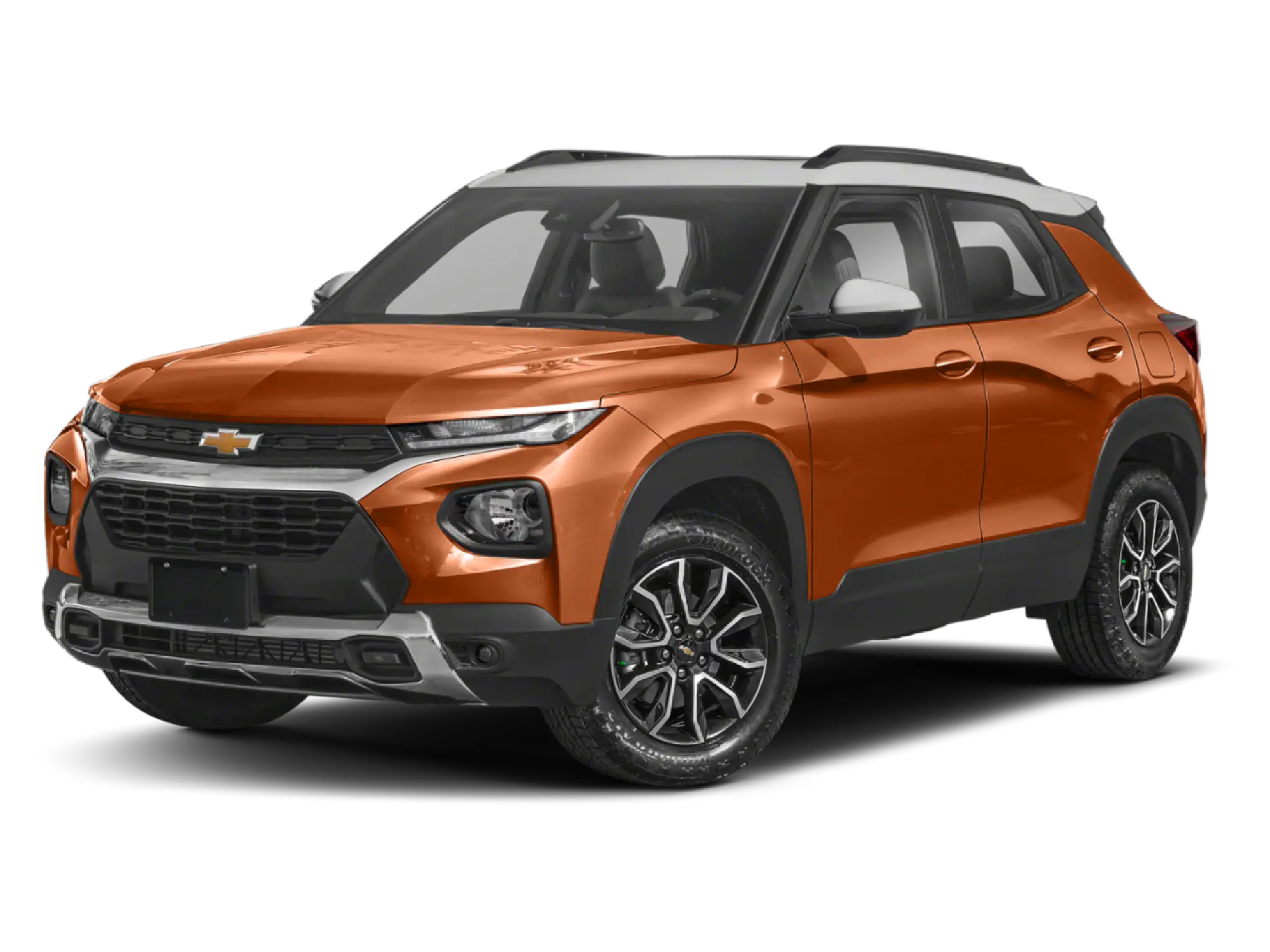
2026 Chevy Trailblazer Warranty Coverage Explained
Owning a compact SUV means balancing affordability, practicality, and long-term reliability.
The 2026 Chevy Trailblazer continues to appeal to drivers looking for a versatile crossover with modern technology, impressive fuel economy, and available all-wheel drive. Understanding warranty coverage and knowing about 2026 Chevy Trailblazer common problems can help owners make informed decisions before repair bills become expensive.
Whether you’re buying new or planning to keep your Trailblazer well beyond the factory warranty period, understanding what Chevrolet covers and what eventually becomes your responsibility is an important part of vehicle ownership.
Although the 2026 Trailblazer is still relatively new, previous model years provide a good indication of areas owners should monitor over time. Like many modern compact SUVs, the Trailblazer relies on turbocharged engines, electronic driver assistance systems, infotainment technology, and sophisticated emissions equipment.
Potential 2026 Chevy Trailblazer common problems that owners may encounter as mileage increases include:
| Potential Issue | Typical Symptoms | Usually Covered Under New Vehicle Warranty? |
|---|---|---|
| Infotainment glitches | Screen freezes, Bluetooth issues | Yes |
| Turbocharger performance concerns | Reduced power, warning lights | Yes |
| Battery or charging issues | Slow starts, electrical warnings | Yes |
| Sensors and driver assistance faults | Adaptive cruise or lane assist errors | Yes |
| Suspension wear | Clunks or uneven ride | Only if due to a manufacturing defect |
| Brake wear | Noise or vibration | Wear item, generally not covered |
Most of these concerns are uncommon during the early ownership period, but electronic systems have become increasingly complex across the automotive industry. Diagnosing software-related problems often requires dealership equipment and factory-trained technicians.
Every new 2026 Chevy Trailblazer includes Chevrolet’s standard limited warranty package.
| Coverage | Length |
|---|---|
| Bumper-to-Bumper Limited Warranty | 3 years / 36,000 miles |
| Powertrain Limited Warranty | 5 years / 60,000 miles |
| Corrosion Protection | 3 years / 36,000 miles |
| Rust-Through Protection | 6 years / 100,000 miles |
| Roadside Assistance | 5 years / 60,000 miles |
The bumper-to-bumper warranty generally covers defects in materials or workmanship affecting most vehicle components. The powertrain warranty provides longer protection for major mechanical components such as the engine, transmission, transfer case, and drive systems.
Normal maintenance items including brake pads, tires, windshield wipers, and fluids remain the owner’s responsibility unless specifically covered under another program.
Repair costs can increase quickly once factory coverage ends. Modern compact SUVs contain dozens of electronic control modules, cameras, sensors, and turbocharged engine components that require specialized diagnostics.
Approximate repair costs include:
| Repair | Estimated Cost |
|---|---|
| Turbocharger replacement | $1,800 to $3,200 |
| Infotainment display replacement | $900 to $2,000 |
| Transmission repair | $3,500 to $6,500 |
| Electronic steering repair | $900 to $2,500 |
| Air conditioning compressor | $1,000 to $2,000 |
| Radar or camera calibration | $300 to $800 |
Actual pricing varies depending on location, labor rates, and parts availability.
Because electronic failures often require multiple diagnostic procedures before repairs begin, even determining the root cause of a warning light may cost several hundred dollars if the vehicle is no longer under warranty.
Routine maintenance remains the best defense against unexpected repairs. While no maintenance schedule can eliminate every mechanical issue, following Chevrolet’s recommended service intervals helps reduce wear and extends component life.
Helpful maintenance practices include:
Turbocharged engines especially benefit from consistent oil changes using high-quality oil that meets Chevrolet specifications.
Technical Service Bulletins, commonly called TSBs, are repair instructions issued by manufacturers to help dealerships diagnose and correct known issues. Unlike safety recalls, a TSB does not automatically require a free repair, but it provides technicians with updated repair procedures, software revisions, or replacement part recommendations when recurring problems are identified.
Owners can search for TSB information through the National Highway Traffic Safety Administration (NHTSA) website, their local Chevrolet dealership, or trusted automotive repair databases. Reviewing TSBs can help determine whether a problem has an established repair procedure before paying for extensive diagnostics.
Most Trailblazer owners are unlikely to experience significant problems during the first several years of ownership. Chevrolet has continued refining the platform, and many earlier software issues have been addressed through updates and production improvements.
That said, today’s compact SUVs contain far more technology than similar vehicles from a decade ago. Features such as adaptive cruise control, automatic emergency braking, digital instrument clusters, turbocharged engines, and advanced infotainment systems all improve the driving experience while increasing repair complexity after warranty expiration.
Drivers planning to keep their Trailblazer beyond five or six years should consider future repair costs as part of their overall ownership budget.
Many owners keep their vehicles well beyond the original factory warranty period. Once bumper-to-bumper coverage expires, unexpected repairs become the owner’s responsibility.
Granger Warranty offers vehicle service contracts for Chevrolet owners looking to help manage future repair costs. Coverage options can help protect many major vehicle systems while providing nationwide repair flexibility and transparent pricing. Learning more about available plans before factory coverage expires can make budgeting for long-term ownership easier.
For additional information about Chevrolet protection plans and available coverage options, visit Granger Warranty.
Because the model is still new, long-term data is limited. Based on previous Trailblazer generations, owners should monitor infotainment systems, electronic sensors, turbocharger performance, and software-related concerns.
In most situations, yes. If the turbocharger fails because of a manufacturing defect during the powertrain warranty period, it is generally covered. Damage caused by neglect or improper maintenance typically is not.
Software updates addressing warranty-related concerns are generally performed by Chevrolet dealerships during the applicable warranty period.
Owners can search Technical Service Bulletins through the National Highway Traffic Safety Administration website, consult a Chevrolet dealership, or review manufacturer service information databases.
Owners who expect to keep their Trailblazer beyond the original warranty period often consider extended coverage because electronic components, turbocharged engines, transmissions, and advanced driver assistance systems can become expensive to repair as vehicles age.
Understanding 2026 Chevy Trailblazer common problems and knowing exactly what Chevrolet’s warranty covers allows owners to plan for long-term ownership with confidence. As repair costs continue to rise, reviewing your protection options before factory coverage expires can help reduce unexpected expenses later.
To compare vehicle service contract options and request transparent pricing, visit Granger Warranty at Granger Warranty.
Stay up to date with the latest news from Granger Warranty