Are Modern Mazdas Still the Most Reliable Non-Toyota SUVs?
Mazda's reliability has become one of the most discussed topics among SUV shoppers looking for an alternative to Toyota.
Over the last decade, Mazda has transformed its lineup with upscale interiors, efficient powertrains, and a strong reputation for dependability. Many buyers researching compact and midsize SUVs now place Mazda models alongside Toyota, Honda, and Subaru when evaluating long-term ownership costs.
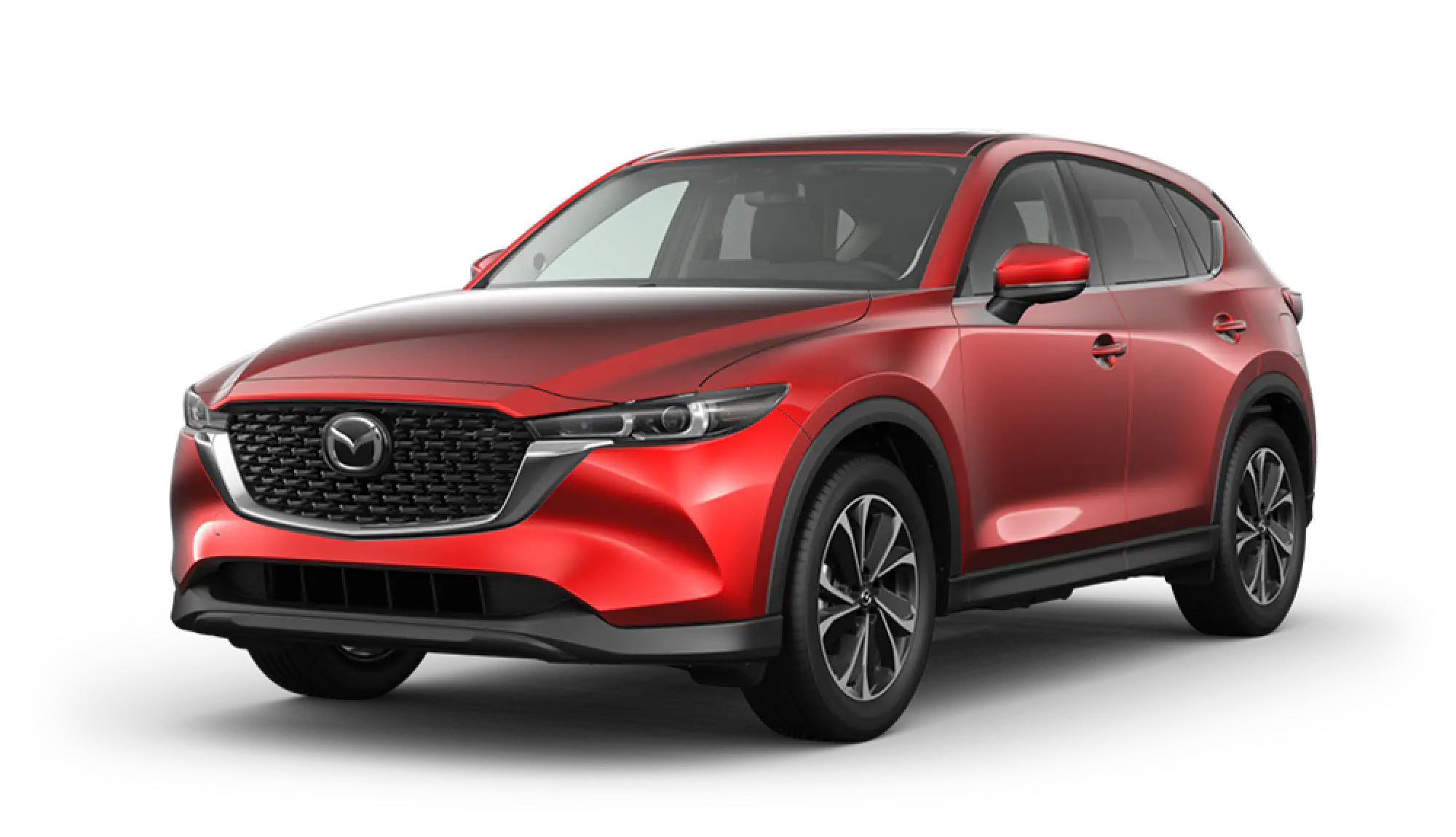
Research from consumer surveys, owner reports, and automotive publications consistently ranks Mazda near the top of the industry for reliability. Models such as the Mazda CX-5, CX-50, and CX-90 have helped strengthen the brand’s reputation by combining durability with engaging driving dynamics.
For consumers seeking a dependable SUV without paying luxury-brand maintenance costs, modern Mazdas deserve serious consideration.
When evaluating Mazda reliability, it is important to look beyond marketing claims and focus on real-world ownership data. Independent organizations regularly track repair frequency, repair severity, and owner satisfaction.
| Reliability Factor | Mazda Performance |
|---|---|
| Engine Reliability | Above Average |
| Transmission Reliability | Above Average |
| Electronics Reliability | Average to Above Average |
| Maintenance Costs | Lower Than Industry Average |
| Long-Term Durability | Strong |
| Owner Satisfaction | High |
Many automotive research studies place Mazda among the most reliable non-luxury brands available today. In several recent rankings, Mazda has finished ahead of Honda, Subaru, Nissan, and Volkswagen.
This success largely comes from Mazda’s conservative engineering philosophy. Rather than rapidly adopting unproven technologies, Mazda often refines existing systems before introducing them across its lineup.
Several factors have contributed to Mazda’s growing reputation for durability.
First, Mazda has largely avoided the widespread engine issues that affected some competitors during the last decade. The company’s Skyactiv engines have proven dependable while maintaining strong fuel economy.
Second, Mazda has continued to use traditional automatic transmissions in many vehicles instead of relying heavily on continuously variable transmissions (CVTs). While modern CVTs have improved significantly, conventional automatics often have stronger long-term durability records.
Third, Mazda has invested heavily in quality control and manufacturing processes. Many owners report fewer interior rattles, electrical problems, and trim failures compared to competing vehicles in the same segment.
For SUV buyers conducting reliability research, these factors help explain why Mazda consistently receives positive long-term ownership reviews.
No vehicle manufacturer is perfect. Even highly rated brands experience recurring issues.
Some of the most commonly reported concerns among modern Mazda SUVs include:
Most of these issues are relatively minor compared to major engine or transmission failures seen in some competitors.
Owners of CX-5, CX-50, and CX-90 models generally report lower rates of catastrophic repairs than industry averages.
Reliability and repair costs are closely connected. A vehicle that experiences fewer major failures generally costs less to own over time.
The following table provides approximate repair and diagnostic costs owners may encounter.
| Repair Item | Estimated Cost |
|---|---|
| Diagnostic Inspection | $100 - $250 |
| Battery Replacement | $200 - $500 |
| Radar Sensor Calibration | $300 - $1,000 |
| Infotainment Screen Repair | $700 - $2,000 |
| Turbocharger Replacement | $2,000 - $5,000 |
| Suspension Repair | $400 - $1,500 |
| Transmission Repair | $3,500 - $7,000 |
While Mazda repair costs are generally reasonable, advanced driver-assistance systems and modern electronics can significantly increase expenses as vehicles age.
This is especially true once the original factory warranty expires.
Technical Service Bulletins, commonly called TSBs, are documents issued by vehicle manufacturers to help dealerships diagnose and repair known issues. A TSB is not the same as a recall because it does not involve a safety defect requiring mandatory repairs.
Owners can find TSB reports through the National Highway Traffic Safety Administration (NHTSA) website, dealership service departments, manufacturer service portals, and automotive research databases. Reviewing TSBs can help owners identify common Mazda reliability concerns and determine whether a known fix already exists.
One reason Mazda SUVs earn strong reliability scores is that they respond well to routine maintenance.
Owners can improve long-term durability by following several best practices:
Preventive maintenance often costs far less than major repairs. Catching small issues early can significantly reduce long-term ownership expenses.
Drivers who plan to keep their SUV beyond 100,000 miles should pay particular attention to fluid maintenance and electronic system inspections.
For many buyers, the answer is yes.
Modern Mazda SUVs have earned a reputation for combining excellent driving dynamics with strong long-term dependability. Vehicles such as the CX-5 and CX-50 frequently appear on recommended lists for consumers seeking practical family transportation with lower ownership risks.
Research suggests Mazda currently ranks among the strongest alternatives to Toyota when reliability is the primary concern. While no vehicle is immune to unexpected repairs, Mazda owners generally experience fewer major problems than many competing brands.
Shoppers comparing Honda, Subaru, Hyundai, Kia, and Nissan models should include Mazda on their shortlist when evaluating reliability and ownership value.
Even reliable vehicles can generate expensive repair bills as they accumulate mileage. Advanced safety technology, touchscreen systems, sensors, and turbocharged powertrains have increased repair complexity across the industry.
Many owners choose to explore extended vehicle protection plans before factory coverage expires. Reviewing options through providers such as Granger Warranty can help drivers better understand potential repair-cost exposure and available coverage solutions for long-term ownership.
Learn more about vehicle protection options at Granger Warranty.
Recent research and owner surveys often place Mazda slightly ahead of Honda in overall reliability rankings. Individual model performance varies, but Mazda has consistently performed well in long-term dependability studies.
Many Mazda SUVs regularly exceed 100,000 miles with proper maintenance. Models such as the CX-5 have developed strong reputations for long-term durability.
The Mazda CX-5 is frequently considered the most reliable Mazda SUV due to its long production history, proven powertrains, and strong owner satisfaction ratings.
Mazda repair costs are generally lower than those of luxury brands and comparable to those of Toyota and Honda. Advanced electronics and turbocharged models can increase repair expenses as vehicles age.
Many industry rankings and reliability research studies place Mazda among the top non-Toyota brands. While rankings change annually, Mazda consistently competes near the top of the reliability category.
Strong reliability can reduce ownership costs, but unexpected repairs remain a possibility with any modern SUV. As vehicles accumulate mileage and technology becomes more complex, repair expenses can rise quickly.
Granger Warranty helps drivers explore vehicle protection options that can provide additional peace of mind beyond the original warranty period. Visit Granger Warranty to compare coverage options and learn more about managing long-term vehicle ownership costs.
Stay up to date with the latest news from Granger Warranty