Average Repair Costs After Factory Warranty Expires
Vehicle ownership becomes more financially unpredictable once the factory warranty expires. Repair costs after factory warranty coverage ends can surprise many owners, especially as modern vehicles become more complex and technology-driven.
Understanding typical repair costs after factory warranty expiration helps drivers prepare for long-term vehicle ownership costs.
Knowing what repairs commonly occur and what they cost can make budgeting, maintenance planning, and protection decisions much easier.
Factory warranties typically cover major components for a limited time, often around 3 years or 36,000 miles for bumper-to-bumper coverage and up to 5 years or 60,000 miles for powertrain coverage. Once that protection ends, every mechanical issue becomes the owner’s responsibility.
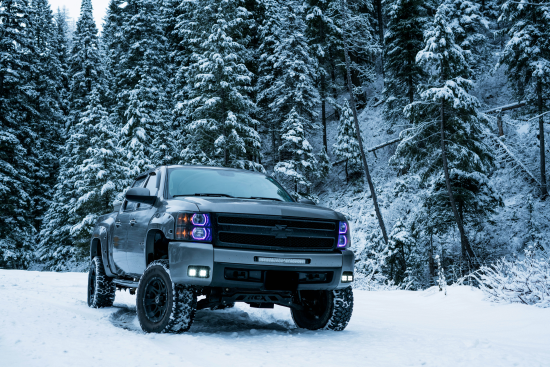
Repair costs after factory warranty expiration can vary widely depending on the vehicle type, mileage, and complexity of the system involved. Trucks, SUVs, and vehicles with advanced driver assistance systems often carry higher out-of-warranty repair cost exposure due to the price of sensors, electronics, and specialized labor.
Even relatively small failures, such as a sensor or module, can lead to a four-figure repair bill once factory protection expires.
Many drivers underestimate how quickly vehicle ownership costs can increase after warranty coverage ends. The following table shows approximate repair costs for several common out-of-warranty repairs.
| Repair Type | Average Out of Warranty Repair Cost |
|---|---|
| Transmission replacement | $4,000 to $7,000 |
| Engine repair or replacement | $3,500 to $8,000+ |
| Infotainment system replacement | $1,200 to $3,000 |
| Air conditioning compressor | $900 to $1,800 |
| Advanced safety sensor calibration | $500 to $1,500 |
These costs can increase depending on labor rates, vehicle design, and parts availability. Luxury vehicles and trucks frequently sit at the higher end of these ranges.
Electronic systems are becoming one of the fastest-growing repair categories. Radar sensors, cameras, and integrated driver assistance systems often require recalibration after repairs or collisions.
Before repairs even begin, diagnostic work may be required. Many repair facilities charge diagnostic fees to identify the exact cause of a mechanical or electrical failure.
Typical diagnostic charges include:
| Diagnostic Service | Typical Cost |
|---|---|
| Check engine light diagnosis | $120 to $200 |
| Electrical system diagnosis | $150 to $300 |
| Advanced drivability diagnostics | $200 to $400 |
Diagnostic costs are often applied toward the repair if work proceeds, but when vehicles are out of warranty, repair cost exposure begins the moment the vehicle enters the service bay.
Modern vehicles contain dozens of control modules and hundreds of sensors. Identifying the root cause of a problem sometimes requires significant labor time.
While some mechanical failures are unavoidable, regular maintenance can reduce the likelihood of expensive out-of-warranty repair cost surprises.
Routine maintenance that helps reduce vehicle ownership cost risk includes:
Keeping up with scheduled maintenance helps technicians identify potential problems early before they become expensive repairs.
Even with careful maintenance, however, complex components such as transmissions, turbochargers, and advanced electronics can still fail as mileage increases.
Many drivers begin thinking about long-term repair risk around the time their factory warranty expires. Vehicles today are more advanced than ever, which improves performance and safety but also increases potential repair exposure.
Features like adaptive cruise control, blind spot monitoring, digital dashboards, and hybrid powertrain components all introduce additional systems that may require repair later in the vehicle’s life.
Owners who plan to keep their vehicles well beyond the original warranty period should understand the potential financial impact of those repairs.
Technical Service Bulletins, commonly called TSBs, are documents issued by manufacturers to help dealerships diagnose and repair known issues in specific vehicles. A TSB is not a recall. Instead, it provides guidance to technicians when a particular problem occurs repeatedly in certain models or production years.
Drivers can often search for TSB reports using their vehicle identification number through manufacturer websites, the National Highway Traffic Safety Administration database, or trusted automotive research sites.
Checking for TSBs can sometimes help identify known problems that may explain unusual symptoms or recurring issues.
One reason many owners consider extended protection is the uncertainty surrounding repair costs after factory warranty expiration. A single transmission failure or electronic system replacement can exceed several thousand dollars.
Factory-backed extended coverage helps stabilize vehicle ownership cost by shifting that risk away from the driver. Instead of paying the full repair bill, covered repairs may only require a small deductible.
Plans offered through providers such as Granger Warranty help extend protection using OEM repair standards and genuine parts. Owners can review available coverage options and pricing at Granger Warranty.
Major drivetrain components typically represent the highest repair costs after factory warranty coverage ends. Engine repairs, transmission failures, and advanced electronic modules can easily exceed several thousand dollars, depending on the vehicle.
Yes. Modern vehicles contain complex electronics, driver assistance systems, and interconnected control modules. These systems improve safety and performance but also increase the potential for out-of-warranty repair costs when components fail.
Vehicle ownership cost often increases after factory warranty coverage ends because the owner becomes responsible for every repair. While routine maintenance continues, unexpected mechanical failures can significantly increase annual ownership expenses.
Preventive maintenance helps reduce the likelihood of major failures. Fluid services, inspections, and software updates allow technicians to catch small issues before they become expensive out-of-warranty repair costs.
Many owners consider extended coverage to manage repair costs after factory warranty expiration. These plans help limit financial exposure by covering certain mechanical and electronic failures that occur later in a vehicle’s life.
Drivers who plan to keep their vehicles long term should understand how repair costs after factory warranty expiration affect overall vehicle ownership costs.
Factory-backed protection can provide predictable repair expenses and help reduce the financial risk associated with modern vehicle technology.
Learn more about available coverage options and transparent pricing by visiting Granger Warranty.
Stay up to date with the latest news from Granger Warranty