Best Certified Pre-Owned Cadillac Deal Under $40K
Shopping for a luxury vehicle under $40,000 can put buyers in an interesting position: spend the money on a new mainstream model, or use the same budget to step into a lightly used Cadillac with premium features, stronger performance, and upscale materials.
For many shoppers, Cadillac Certified Pre-Owned Deals offer an appealing middle ground between buying new and taking a chance on an ordinary used luxury vehicle.
Cadillac’s certified pre-owned program adds manufacturer-defined eligibility requirements, inspection standards, and warranty benefits to qualifying used vehicles. That extra layer of protection can be especially valuable because modern Cadillacs often contain expensive electronics, turbocharged engines, sophisticated suspension systems, and advanced driver-assistance technology.
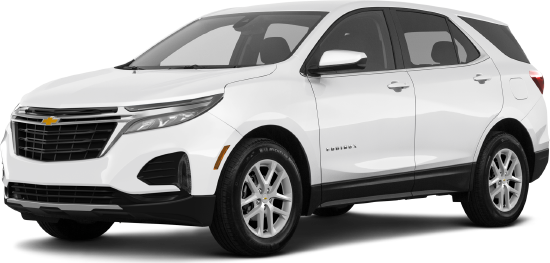
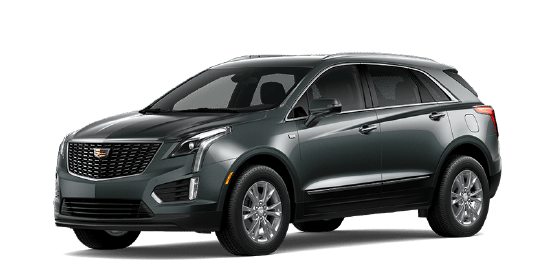
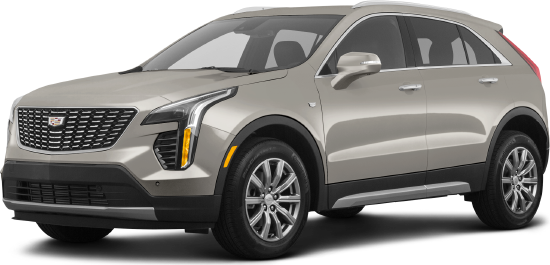
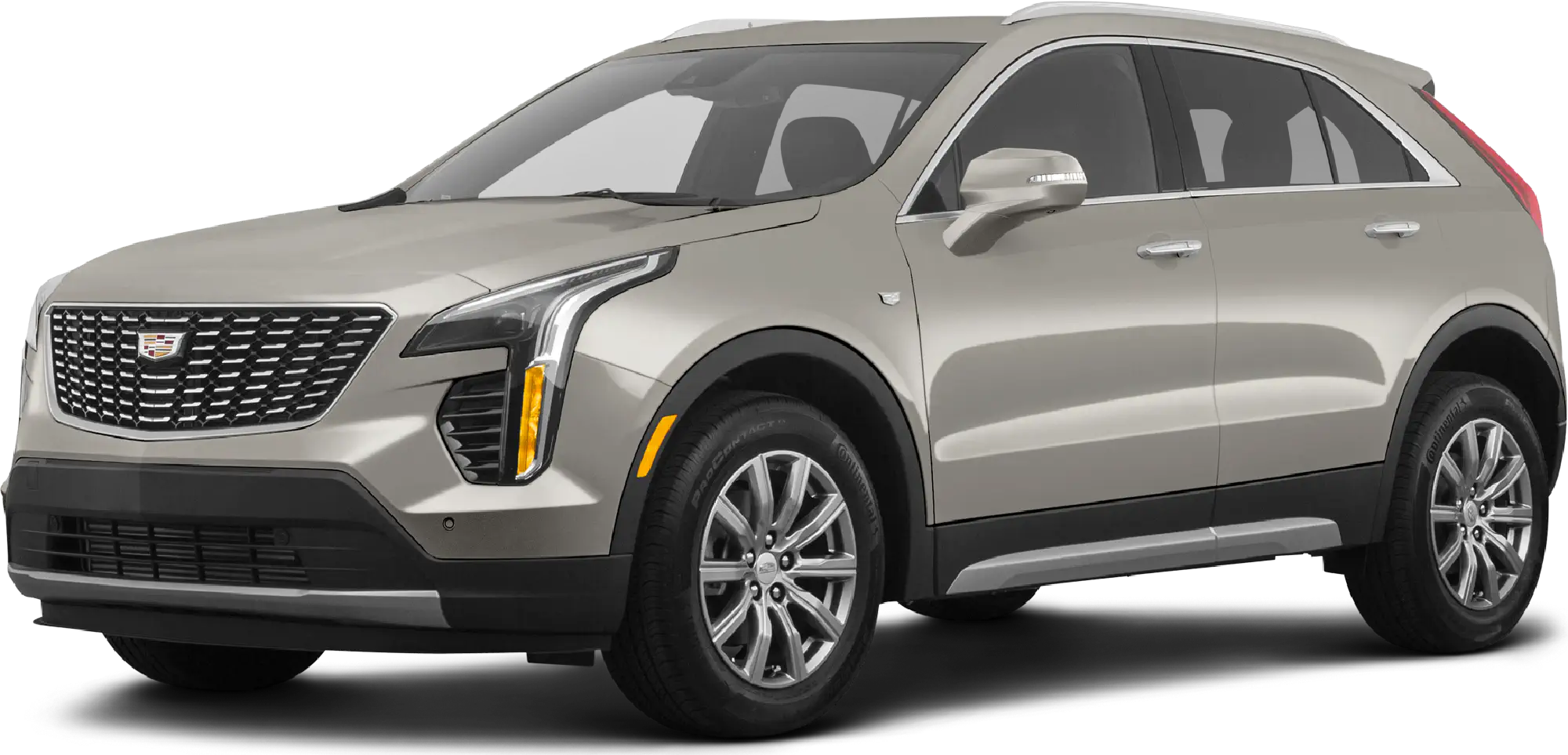
A $40,000 ceiling also opens the door to several very different Cadillacs. Depending on age, mileage, trim, condition, and local inventory, shoppers may encounter CT4 and CT5 sedans, XT4 and XT5 crossovers, and occasionally larger or more highly equipped models that have depreciated into budget.
The best deal is not necessarily the Cadillac with the lowest advertised price. Value comes from balancing purchase price, remaining coverage, mileage, equipment, condition, maintenance history, and the cost of keeping the vehicle after its included protection expires.
For most buyers, the strongest CPO candidates under $40,000 will be relatively recent sedans and crossovers rather than flagship models. A newer CT4 or XT4 can provide more remaining useful life and contemporary technology, while a slightly older CT5 or XT5 may offer more space and equipment for similar money.
Here is how the major candidates generally compare:
| Cadillac Model | Why It Can Make Sense Under $40K | Best For | Key Items To Check |
|---|---|---|---|
| Cadillac CT4 | Compact size, sporty chassis, attainable pricing | Commuters and sedan buyers | Tires, electronics, service history |
| Cadillac CT5 | More cabin space and highway comfort | Road-trip and sedan shoppers | Trim equipment, brakes, tires |
| Cadillac XT4 | Practical small luxury crossover | Urban drivers and couples | Infotainment, AWD operation, tires |
| Cadillac XT5 | Larger cabin and useful cargo room | Families and crossover buyers | Suspension, electronics, maintenance |
| Older/high-mileage premium models | More features for the money | Value-focused luxury shoppers | Remaining coverage and repair exposure |
Actual CPO inventory and pricing change constantly, so shoppers should treat these categories as starting points rather than guaranteed price ranges. Comparing several vehicles with similar mileage and equipment provides a much clearer picture of whether an advertised Cadillac is genuinely competitive.
A used Cadillac and a Cadillac sold under the manufacturer’s certified pre-owned program are not automatically equivalent.
CPO programs generally require vehicles to meet specific age, mileage, condition, inspection, and history criteria established by the manufacturer. Buyers should verify the current Cadillac CPO requirements and warranty terms directly with Cadillac because program details can change.
That certification can matter on a luxury vehicle. A conventional used Cadillac might look excellent during a short test drive while still having worn tires, aging suspension components, intermittent electronics, or deferred maintenance that becomes expensive after purchase.
Certification does not make a vehicle immune to mechanical trouble. Instead, it can reduce some of the uncertainty associated with purchasing a used luxury vehicle while providing defined warranty protection for qualifying repairs.
Shoppers should still obtain the vehicle history report, review service records, inspect wear items, verify exactly what coverage remains, and understand any exclusions or deductibles before signing.
Cadillac vehicles increasingly depend on interconnected electronic and mechanical systems. Even a relatively minor problem can become expensive when diagnosis requires specialized equipment or when the repair involves sensors, cameras, control modules, adaptive suspension components, or extensive labor.
Turbocharged models introduce another layer of complexity. Proper oil changes and cooling-system maintenance become especially important because lubrication and heat management affect turbocharger and engine longevity.
Luxury features deserve attention as well. Heated and ventilated seats, power accessories, digital displays, infotainment hardware, parking sensors, cameras, driver-assistance systems, and electronically controlled suspension components can be costly compared with simpler equipment on mainstream vehicles.
That is one reason a well-documented CPO vehicle can sometimes be a better value than a cheaper non-certified example. Saving $2,000 at purchase becomes less meaningful if deferred maintenance or an uncovered repair quickly consumes the difference.
Repair prices vary substantially by model, location, labor rate, parts requirements, and the exact failure involved. Buyers should therefore use broad estimates for budgeting rather than assuming every Cadillac will incur the same expenses.
| Service Or Repair Category | Approximate Budget Range | Why Costs Vary |
|---|---|---|
| Professional diagnostic evaluation | $150–$300+ | Labor rate and diagnostic complexity |
| Premium tire replacement | $800–$1,600+ per set | Wheel size and tire specification |
| Brake service | $500–$1,500+ | Axle, rotor, pad and model differences |
| Suspension repair | $500–$2,500+ | Conventional vs electronically controlled components |
| Infotainment/electronic repair | $300–$2,000+ | Sensor, module, display and programming requirements |
| Major powertrain repair | $2,000–$8,000+ | Component and labor requirements |
These ranges are intentionally broad. A basic sensor replacement and a major engine or transmission repair clearly belong in different financial categories, even though both can begin with a warning light.
Before purchasing, ask the servicing dealer for model-specific estimates on common wear items. Knowing what tires, brakes, suspension components, and scheduled maintenance cost can reveal whether a seemingly inexpensive Cadillac actually fits your long-term budget.
Maintenance history should carry significant weight when comparing two otherwise similar Cadillacs. A vehicle with consistent documented servicing can be more attractive than a lower-mileage example with gaps in its records.
Follow Cadillac’s maintenance schedule for the specific model, engine, drivetrain, and model year rather than relying on generic mileage intervals. Oil condition, cooling-system health, brake fluid, tires, alignment, battery condition, and drivetrain fluids can all influence long-term ownership costs.
Pay attention to tire condition before purchase, too. Premium vehicles frequently use larger wheels and performance-oriented tires, making replacement noticeably more expensive than shoppers accustomed to economy cars may expect.
A comprehensive test drive should include city streets, rough pavement, highway speeds, tight parking maneuvers, and repeated operation of major cabin technology. Listen for suspension noise, check for vibration, verify climate-control performance, and test cameras, displays, seat functions, driver-assistance equipment, and other powered features.
Buyers should also review Technical Service Bulletins, commonly called TSBs. A TSB is manufacturer-issued technical information intended to help technicians diagnose or repair known vehicle conditions, and it is different from a safety recall. Shoppers can search for manufacturer communications and recall information through the NHTSA vehicle database rather than relying on lists of individual bulletins that may become outdated.
Buying a used luxury vehicle requires a different mindset from buying an inexpensive commuter car. Depreciation may reduce the purchase price dramatically, but it does not necessarily reduce the price of replacement parts, specialized labor, sophisticated electronics, or premium tires.
That does not make a CPO Cadillac a poor financial decision. It simply means shoppers should evaluate the ownership costs that come after the purchase price.
A $36,000 CPO Cadillac with documented maintenance, good tires, healthy brakes, appropriate remaining coverage, and desirable equipment could represent better value than a $32,000 example that immediately needs several thousand dollars of maintenance.
Mileage matters, but condition and history matter just as much. A properly maintained vehicle with somewhat higher mileage can be a more sensible purchase than a neglected low-mileage Cadillac.
Buyers planning to keep the vehicle for several years should pay particular attention to when included warranty protection ends. The longer you intend to own a technologically complex luxury vehicle, the more important future repair exposure becomes.
Start by comparing vehicles as complete ownership packages instead of advertisements.
Determine the model, trim, drivetrain, mileage, original equipment, service history, tire condition, brake condition, accident history, remaining warranty protection, and asking price for each candidate. This makes it easier to recognize why two apparently similar Cadillacs may be priced thousands of dollars apart.
Pay particular attention to trim levels. Luxury-brand option packages can dramatically affect original MSRP, and those features do not always retain their full value on the used market. A heavily optioned vehicle can therefore represent an excellent used-car value when its condition is equally strong.
At the same time, avoid paying extra for features you do not need. Adaptive suspension, larger wheels, premium audio systems, panoramic roofs, and additional driver-assistance technology can improve the ownership experience, but more equipment also means more components that may eventually require repair.
For many shoppers, the sweet spot is a moderately equipped CPO Cadillac with strong maintenance records rather than the most complicated vehicle the budget can possibly reach.
CPO coverage can reduce short-term uncertainty, but buyers should understand exactly when that protection expires and what happens afterward. Keeping a Cadillac well beyond its included coverage period means assuming more of the financial risk for future repairs.
This is where extended coverage can become part of the ownership calculation rather than an impulse purchase in the finance office.
Before purchasing additional protection, compare eligibility, covered components, exclusions, deductibles, repair procedures, transferability, and term limits. The right plan depends on the vehicle and how long you expect to own it.
For drivers considering longer-term protection, Granger Warranty provides extended warranty options with transparent pricing and an online purchasing process. Reviewing coverage before your existing protection expires can help you compare options without making a rushed decision at the end of the warranty period.
For many shoppers, the CT5 and XT5 offer an appealing balance of space, luxury, and used-market depreciation, while the CT4 and XT4 may allow buyers to purchase a newer vehicle for the same budget. Inventory, mileage, trim, and condition ultimately determine which individual vehicle is the strongest deal.
It can be. Certification may provide meaningful value through eligibility requirements, inspection standards, and warranty benefits, especially on vehicles with expensive electronics and powertrain components. Compare the actual CPO premium against an equivalent non-certified vehicle rather than assuming certification is automatically worth any price difference.
Potentially, particularly among CT4, XT4, CT5, and XT5 inventory. Availability depends heavily on location and current used-car pricing, so shoppers should compare listings over time rather than expecting every model and trim to fall below the $40,000 threshold.
Check the vehicle history, maintenance documentation, tires, brakes, suspension behavior, body condition, electronics, infotainment system, climate control, cameras, driver-assistance equipment, and remaining warranty coverage. Certification is valuable, but buyers should still evaluate the specific vehicle carefully.
Eligibility depends on the vehicle and the protection plan being considered. Owners who expect to keep their Cadillac beyond its existing warranty period can review available extended coverage through Granger Warranty before current coverage expires.
A sub-$40,000 CPO Cadillac can deliver a lot of vehicle for the money, particularly when depreciation has already reduced the price of a well-equipped CT4, CT5, XT4, or XT5. Purchase price should only be one part of the decision.
Focus on maintenance history, condition, equipment, remaining warranty coverage, and realistic repair expenses before choosing a vehicle. If you plan to keep your Cadillac beyond its existing protection period, visit Granger Warranty to explore extended coverage options, compare pricing, and determine whether additional protection fits your long-term ownership plan.
Stay up to date with the latest news from Granger Warranty