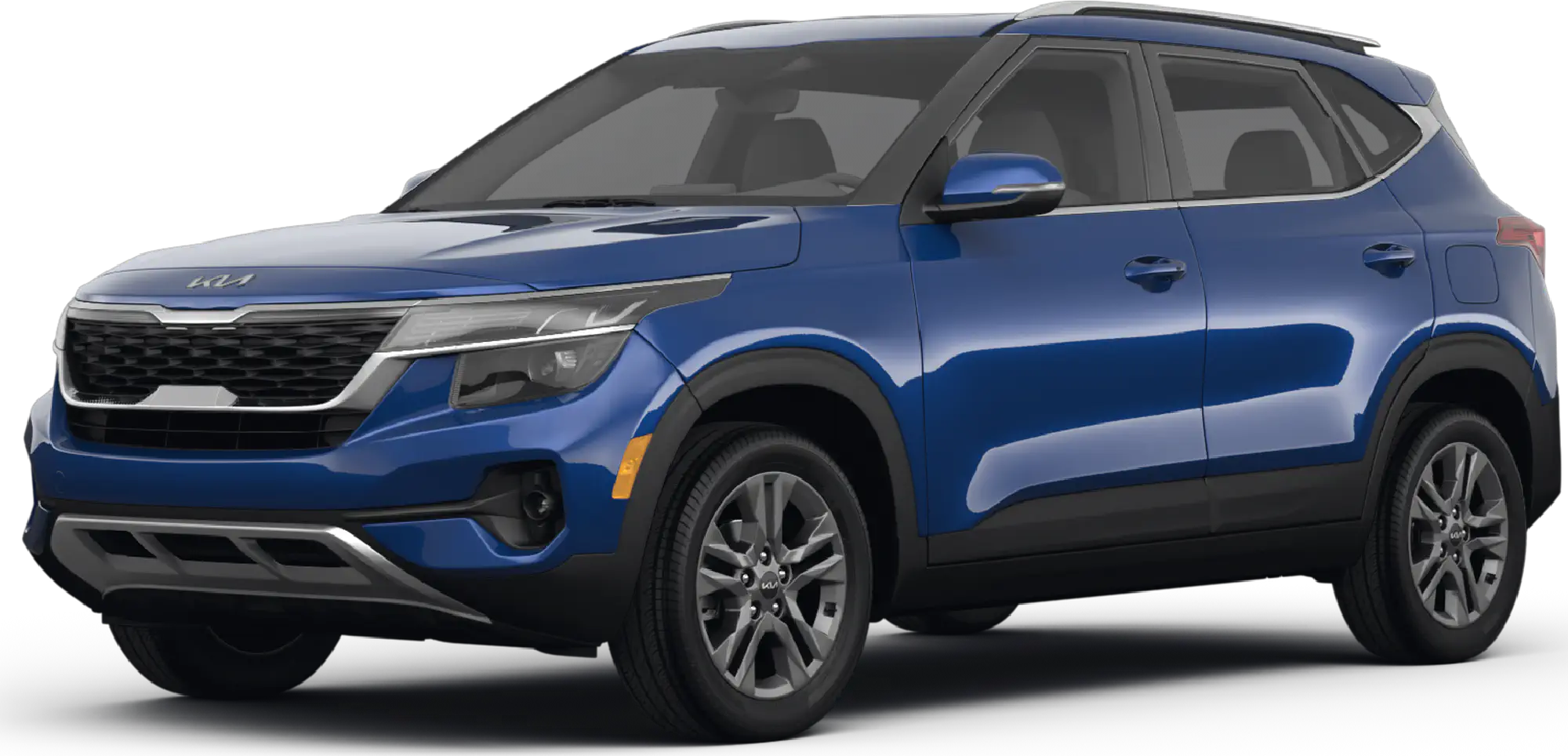
Best Chevrolet for a First-Time Buyer
Buying your first vehicle is exciting, but choosing the right one involves more than finding a Chevrolet that fits your monthly payment.
Insurance costs, fuel economy, maintenance, repair exposure, practicality, and long-term ownership expenses can make an affordable-looking vehicle considerably more expensive over time.
For shoppers searching for the Best Chevrolet for First Time Buyer, models such as the Chevrolet Trax, Trailblazer, Equinox, and Malibu on the used market can all make sense depending on budget and lifestyle. The smartest choice is usually the Chevrolet that provides enough space and capability without forcing a new owner to pay for features, size, or performance they rarely use.
First-time buyers should begin by identifying what the vehicle actually needs to accomplish. A commuter driving primarily in town has very different requirements from someone regularly traveling through snow, hauling outdoor equipment, or carrying several passengers.
Chevrolet’s small crossovers are particularly appealing because they combine manageable dimensions with useful cargo capacity. The Trax is a strong starting point for buyers who prioritize affordability and everyday practicality, while the Trailblazer adds another small-SUV option for shoppers who prefer its styling, available equipment, or drivetrain choices.
An Equinox can be worth considering when passenger and cargo space matter more. Buyers shopping used vehicles may also encounter attractively priced Malibu sedans, which can provide comfortable highway transportation without the higher purchase price sometimes associated with SUVs.
| Chevrolet Model | Best Suited For | Key First-Time Buyer Consideration |
|---|---|---|
| Trax | City driving and commuting | Compact size and practical interior |
| Trailblazer | Small-SUV shoppers | Useful balance of size and versatility |
| Equinox | Buyers needing more room | More passenger and cargo space |
| Malibu | Used-car commuters | Sedan comfort and highway practicality |
No single Chevrolet wins for every first-time buyer. Purchase price matters, but a better comparison considers what each vehicle could cost to own for several years.
A common first-time buyer mistake is focusing almost entirely on the advertised vehicle price or monthly loan payment. Ownership expenses continue long after the paperwork is signed.
Insurance can be a major expense, especially for younger drivers. Buyers should request an insurance quote for the exact vehicle identification number, or VIN, whenever possible before completing a purchase.
Fuel is another consideration. A larger vehicle may offer additional capability, but paying for extra weight and power makes little sense when most driving consists of commuting alone.
Maintenance deserves a place in the budget as well. Oil changes, filters, tires, brakes, batteries, alignments, and other wear items are normal ownership expenses and generally should not be treated as unexpected repairs.
Depreciation and financing costs also matter. A less expensive Chevrolet financed at an unfavorable interest rate can sometimes cost more than expected, so first-time buyers should compare the total amount financed rather than looking only at the monthly payment.
Repair exposure varies considerably according to the model, model year, mileage, powertrain, condition, and local labor rates. Modern vehicles also contain sophisticated electronics, driver-assistance equipment, infotainment systems, turbocharged engines, and emissions components that can become expensive when failures occur outside applicable warranty coverage.
Basic diagnosis at a repair facility may cost roughly $100 to $250 or more depending on location and the complexity of the concern. A relatively straightforward battery, sensor, ignition, or charging-system repair could cost a few hundred dollars, while air-conditioning, electronic, turbocharger, transmission, or major engine repairs can reach into the thousands.
| Repair or Service Category | Approximate Cost Range |
|---|---|
| Professional diagnostic testing | $100 to $250+ |
| Battery replacement | $150 to $400+ |
| Brake service | $300 to $900+ |
| Air-conditioning repair | $300 to $1,500+ |
| Infotainment or electronic repair | $300 to $2,000+ |
| Turbocharger-related repair | $1,000 to $3,500+ |
| Major transmission repair | $2,500 to $6,000+ |
| Major engine repair | $3,000 to $8,000+ |
These figures are broad planning estimates rather than quotes. Parts prices, labor rates, diagnostic requirements, vehicle configuration, and the extent of damage can substantially change the final bill.
First-time buyers purchasing used Chevrolets should consider paying for a pre-purchase inspection before committing to the vehicle. Spending money on an inspection can reveal fluid leaks, worn brakes or tires, accident repairs, diagnostic trouble codes, suspension wear, and maintenance concerns before they become the new owner’s responsibility.
Preventive maintenance is one of the simplest ways to improve the ownership experience. Follow the maintenance schedule appropriate for the specific Chevrolet and pay attention to service reminders rather than waiting for a noticeable mechanical problem.
Check engine oil, coolant, tires, brakes, and other service items regularly. Maintaining proper tire pressure can support fuel economy and tire life, while addressing unusual noises, warning lights, vibrations, or fluid leaks early may prevent a smaller concern from becoming a more expensive repair.
Keep service documentation as well. Receipts and maintenance records provide a useful ownership history and can be valuable when diagnosing future problems or selling the vehicle.
Used-car shoppers should request whatever maintenance history is available before purchase. A lower-mileage vehicle with poor maintenance is not automatically a better purchase than a slightly higher-mileage example with consistent documented care.
A Technical Service Bulletin, commonly called a TSB, is information issued by an automaker to help technicians diagnose or repair known conditions that may appear in certain vehicles. A TSB is not automatically a recall, and its existence does not necessarily mean a repair will be performed free of charge. First-time buyers can search manufacturer communications and TSB information through the National Highway Traffic Safety Administration by entering a vehicle’s year, make, and model or VIN.
Reliability should influence a purchase, but buyers should avoid assuming that every example of a particular model will deliver an identical ownership experience. Vehicle condition, previous maintenance, mileage, driving environment, accident history, and model year can all affect reliability.
A first-time buyer should be especially cautious with a used vehicle that has incomplete maintenance records, persistent warning lights, evidence of fluid leaks, rough shifting, unusual engine noises, mismatched tires, or signs of poorly repaired collision damage.
A clean-looking vehicle is not necessarily a mechanically healthy one. An independent pre-purchase inspection and vehicle-history review provide much more useful information than appearance alone.
Buyers should also check for open safety recalls using the vehicle’s VIN through NHTSA. Recall repairs and extended service coverage are separate issues, so understanding both can help prevent confusion after purchase.
First-time buyers frequently have limited room in their budgets for a sudden four-figure repair. That makes long-term repair exposure worth considering before choosing a vehicle rather than after the original warranty expires.
Before purchasing any extended coverage, read the actual contract and understand what is covered, what is excluded, the deductible, eligibility requirements, cancellation provisions, and where covered repairs can be performed. Maintenance and wear items should not be confused with covered mechanical breakdowns.
Granger Warranty gives eligible vehicle owners another option when planning for expenses beyond the original warranty period. Buyers can visit Granger Warranty to review available coverage information and determine whether extended protection fits their ownership plans.
The important point for a first-time buyer is predictability. A warranty does not replace routine maintenance, but appropriate coverage can help reduce exposure to certain unexpected covered repair expenses.
The Chevrolet Trax is a compelling starting point for many first-time buyers because it combines compact exterior dimensions with SUV-style practicality. The Trailblazer is another strong candidate, while an Equinox may make more sense for someone who regularly needs additional passenger or cargo room.
The best choice ultimately depends on purchase price, insurance, financing, expected mileage, and how the vehicle will be used.
A Trax can be a practical choice for someone who wants a small crossover for commuting and everyday errands. Its manageable size can also make parking and urban driving easier than with a larger SUV.
Buyers should still compare insurance quotes and evaluate the specific model year, equipment, maintenance history, and condition before purchasing.
New vehicles can provide the latest technology and applicable new-vehicle warranty coverage, while used vehicles can reduce the initial purchase price. Neither option is automatically cheaper once financing, insurance, depreciation, maintenance, and repair risk are considered together.
Certified pre-owned and well-maintained used vehicles may provide a middle ground for shoppers who want to limit purchase price without choosing an older high-mileage vehicle.
Setting aside several hundred dollars for routine maintenance and smaller unexpected expenses is sensible, but major mechanical repairs can cost thousands. The appropriate emergency fund depends on the Chevrolet’s age, mileage, condition, and existing warranty coverage.
Buyers without enough savings to comfortably absorb a major covered repair may want to compare extended coverage options as part of their overall ownership budget.
It can make sense for buyers who value predictable expenses and plan to keep their vehicle beyond its original warranty period. The decision depends on vehicle eligibility, expected ownership length, available savings, coverage terms, deductible, and the buyer’s tolerance for unexpected repair costs.
Always compare the actual coverage contract rather than selecting a plan solely by price.
Choosing your first Chevrolet should involve more than finding the lowest monthly payment. Purchase price, financing, insurance, fuel, maintenance, depreciation, and potential repair costs all influence whether a vehicle remains affordable after the excitement of buying it wears off.
For many shoppers, a Trax or Trailblazer provides a useful balance of affordability and versatility, while an Equinox offers more room and a used Malibu can remain an appealing alternative for sedan buyers. Whichever Chevrolet fits your needs, have a used vehicle inspected, research its history, understand its maintenance requirements, and budget realistically for ownership.
If you plan to keep your Chevrolet beyond its original warranty coverage, visit Granger Warranty to explore available extended warranty options. Comparing coverage before expensive repairs occur can help you build a more predictable long-term ownership budget.
Stay up to date with the latest news from Granger Warranty