Best Chevrolet for Winter Driving in Colorado
Colorado winter driving can change dramatically within a single trip.
A dry commute along the Front Range can turn into packed snow, blowing wind, icy mountain roads, or a steep climb toward a ski area, making vehicle choice especially important for drivers who regularly travel during winter.
Choosing the Best Chevy for Snow Driving involves more than simply finding a Chevrolet with all-wheel drive or four-wheel drive. Tires, ground clearance, drivetrain design, vehicle weight, driver-assistance technology, and maintenance all influence how confidently a vehicle handles snow and ice.
For most Colorado drivers, the Chevrolet Traverse, Equinox, Tahoe, Suburban, and Colorado are among the models worth considering. Each approaches winter differently, which means the right choice depends heavily on where you drive and what you need to carry.
Colorado presents several distinct winter-driving environments. Denver, Fort Collins, Colorado Springs, and other Front Range communities may experience rapidly melting snow between storms, while mountain corridors can remain snowy or icy for considerably longer.
That distinction matters when choosing a Chevrolet. A commuter may benefit most from an AWD crossover such as the Equinox, while drivers regularly heading into the mountains may appreciate the additional clearance and capability available from a Tahoe or Colorado.
Here is a practical comparison:
| Chevrolet | Available Drivetrain | Winter Strength | Best Fit |
|---|---|---|---|
| Equinox | AWD | Easy-to-drive crossover with useful winter traction | Daily commuting |
| Traverse | AWD | Passenger space and stable highway manners | Families and ski trips |
| Trailblazer | AWD | Compact dimensions and urban maneuverability | City driving |
| Tahoe | 4WD | Ground clearance, capability, and passenger room | Mountain travel |
| Suburban | 4WD | Tahoe-like capability with greater cargo capacity | Large families and gear |
| Colorado | 4WD | Truck capability and useful clearance | Outdoor recreation |
| Silverado 1500 | 4WD | Strong capability for work and deeper snow | Truck owners and rural travel |
Actual drivetrain availability varies by trim and model year, so buyers should verify equipment on the specific vehicle they are considering.
AWD and 4WD help a vehicle accelerate when traction is limited, but neither can overcome the basic limits of tire grip. Braking and cornering on ice remain dependent largely on tires, road conditions, speed, and driver inputs.
That is why winter tires can be one of the most meaningful upgrades for Colorado drivers. A capable AWD Chevrolet fitted with tires poorly suited to freezing conditions may perform worse than expected when temperatures fall, and roads become slick.
Ground clearance also deserves consideration. Deep snow can create problems for lower vehicles even when all four wheels are receiving power.
Colorado drivers who routinely travel Interstate 70, mountain passes, unplowed roads, or ski-area access roads therefore have different requirements than someone whose winter driving primarily involves plowed suburban streets.
For many drivers, the Equinox may offer the best balance between winter capability and everyday usability. Available AWD can provide additional traction without requiring the size, fuel consumption, or parking footprint of a full-size SUV.
Its crossover configuration is also useful when snow accumulates. Drivers sit higher than they would in a traditional sedan, while the vehicle remains relatively easy to maneuver around town.
An Equinox with suitable winter tires makes particular sense for someone commuting along the Front Range who occasionally drives into the foothills or mountains.
Drivers expecting frequent deep snow or rough access roads may want more clearance and capability, but the Equinox remains one of Chevrolet’s most practical all-around winter choices.
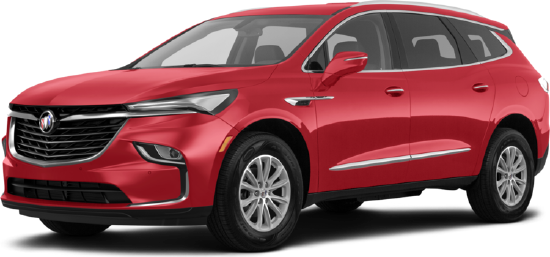
The Traverse becomes particularly attractive when winter transportation involves passengers and equipment. Available AWD, three-row seating, and substantial cargo capacity make it well suited to family ski weekends and long-distance highway trips.
A longer, larger crossover can also feel planted on snowy highways, although drivers should remember that additional mass does not reduce stopping distances on ice.
For families that do not need the towing ability or truck-based construction of a Tahoe, the Traverse provides a compelling middle ground.
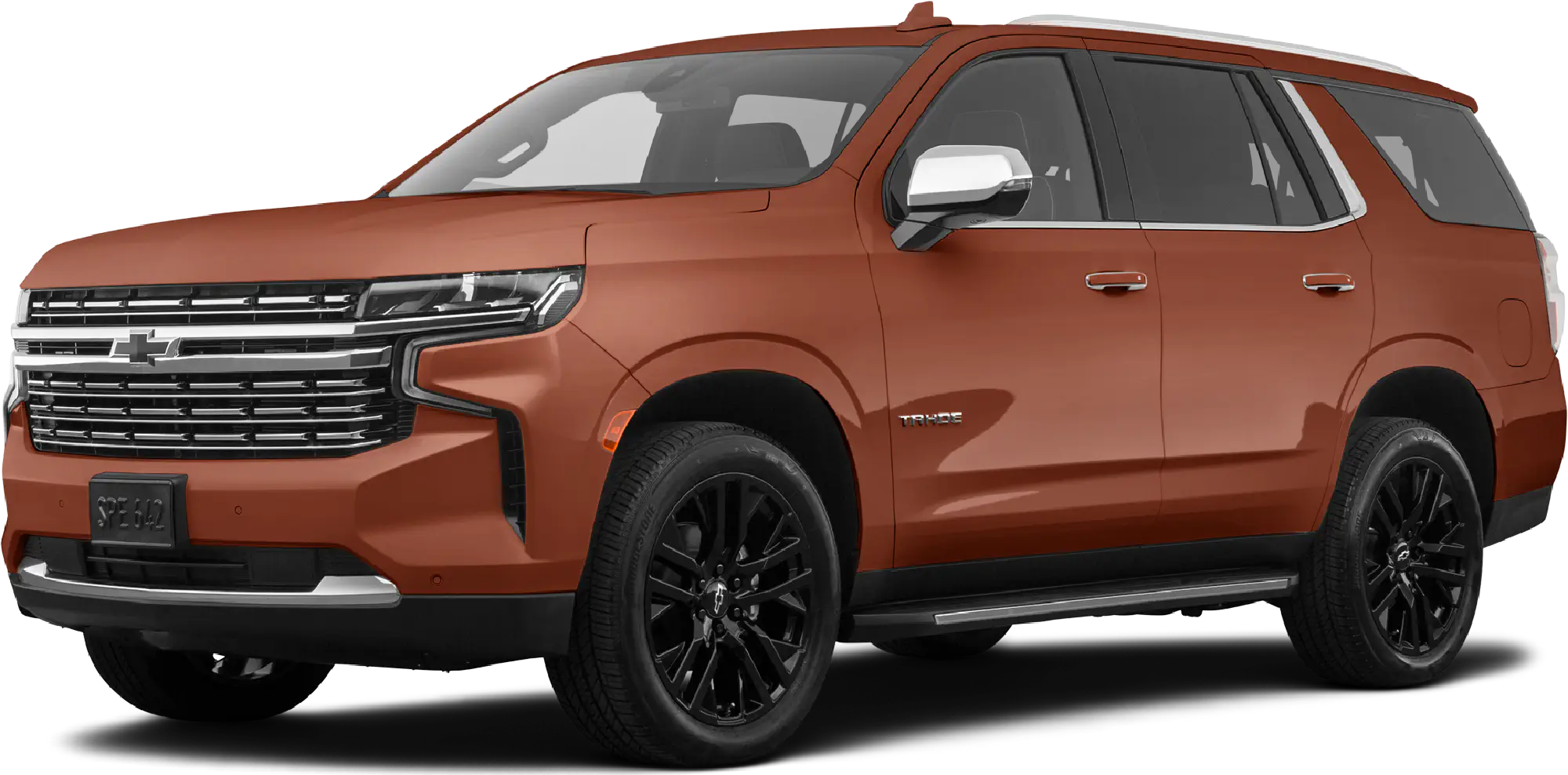
Drivers who regularly encounter deeper snow, steep mountain roads, trailers, or demanding winter conditions may find the Tahoe or Suburban better suited to the job.
Available four-wheel-drive configurations give these SUVs additional capability when conditions deteriorate. Their greater ground clearance can also be valuable after heavy snowfall or when navigating roads that have not yet been thoroughly plowed.
The Tahoe is generally easier to maneuver because of its shorter overall length. The Suburban provides significantly more room for luggage and outdoor equipment, which can matter when several passengers are carrying skis, snowboards, boots, and winter gear.
Neither SUV eliminates the need for appropriate tires. A large 4WD SUV can still lose traction surprisingly quickly on ice.
Colorado drivers who prefer pickups have two obvious choices in the Chevrolet lineup.
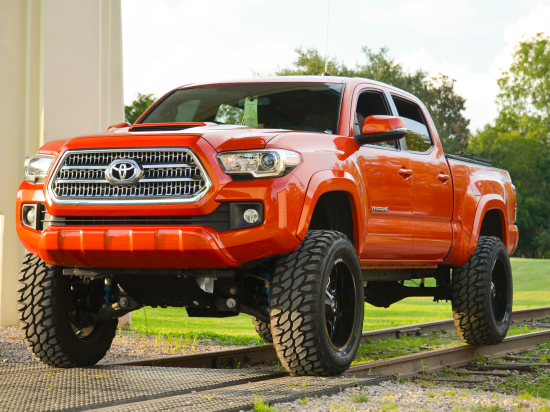
The Colorado provides useful ground clearance and available four-wheel drive without the physical size of a full-size Silverado. That can make it particularly appealing for trailheads, mountain towns, camping trips, and drivers who want truck utility while retaining reasonable maneuverability.
The Silverado 1500 offers greater towing, payload, and overall capability. For rural properties, work sites, trailers, snowmobiles, and other demanding uses, that additional capacity can be worthwhile.
Pickup owners should pay particular attention to winter traction. An unloaded pickup can have relatively little weight over its rear axle, which can affect traction depending on drivetrain mode, tires, road conditions, and vehicle configuration.
Winter does more than reduce traction. Cold temperatures, road salt, moisture, potholes, and repeated freeze-thaw cycles can increase wear throughout a vehicle.
Costs vary substantially by model, location, labor rate, and the exact component involved, but Colorado owners should be prepared for several common categories of winter-related expense.
| Service or Repair | Approximate Cost Range |
|---|---|
| Battery testing or diagnosis | $0-$150 |
| Replacement 12-volt battery | $150-$400+ |
| Wheel alignment | $100-$250 |
| Wheel bearing replacement | $300-$800+ |
| ABS/wheel-speed sensor repair | $200-$600+ |
| Transfer-case-related repair | $500-$2,000+ |
| AWD/4WD drivetrain repair | $500-$3,000+ |
| Suspension repair after pothole damage | $300-$2,000+ |
| Set of winter tires | $600-$1,500+ |
These figures are general estimates rather than quotes. Modern vehicles can also require calibration or additional diagnostic work when sensors, cameras, suspension components, or electronic systems are affected.
A simple warning light therefore does not necessarily indicate a simple repair.
Winter preparation should begin before Colorado’s first major storm. Battery condition is particularly important because cold temperatures can expose a battery that was already approaching the end of its useful life.
Tire condition deserves equal attention. Check tread depth, tire age, inflation pressure, and whether the tire’s design is appropriate for the temperatures and conditions you expect to encounter.
AWD and 4WD systems should also be maintained according to Chevrolet’s recommended schedule. Depending on the vehicle, that may involve transfer-case fluid, differential fluid, transmission service, or inspections for leaks and damaged components.
Other useful winter checks include coolant protection, windshield washer fluid, wiper condition, exterior lighting, brakes, and the spare tire or inflation kit.
After periods of heavy road-salt or deicer exposure, washing the underbody can also help limit corrosion over the long term.
A Technical Service Bulletin, commonly called a TSB, is information issued by an automaker to help dealership technicians diagnose or repair a known condition. A TSB is not automatically a recall, and the existence of a bulletin does not necessarily mean a repair will be performed free of charge.
Owners researching a particular Chevrolet can search TSB information through the National Highway Traffic Safety Administration at NHTSA.gov, where vehicle-specific manufacturer communications and recall information may be available. Chevrolet owners can also ask a dealership service department to check for applicable bulletins using the vehicle’s VIN.
TSBs can be especially helpful when researching recurring concerns involving electronics, HVAC systems, transmissions, driveline behavior, sensors, or other systems that could become noticeable during winter use.
Winter itself should not discourage someone from buying a Chevrolet. The bigger consideration is whether the vehicle, tires, maintenance history, and drivetrain match the conditions in which it will actually operate.
Modern AWD and 4WD systems can be complex. Transfer cases, differentials, electronic control modules, wheel-speed sensors, cameras, radar equipment, heated components, and other systems can all contribute to repair expenses as a vehicle ages.
Drivers keeping a Chevrolet well beyond its original warranty period should therefore consider long-term repair exposure alongside purchase price and winter capability.
This becomes particularly relevant for higher-mileage SUVs and trucks that spend significant time towing, climbing mountain grades, or operating in harsh weather.
A capable winter vehicle can still become expensive to own when major mechanical or electrical repairs appear outside the original warranty period.
Granger Warranty gives vehicle owners a way to explore extended coverage options with transparent pricing and nationwide acceptance. Depending on the selected plan and vehicle eligibility, coverage can help reduce the financial uncertainty associated with eligible repairs.
That can be useful for Colorado owners planning to keep a Tahoe, Suburban, Traverse, Equinox, Colorado, Silverado, or another Chevrolet for many years.
Coverage terms, exclusions, eligibility requirements, deductibles, and covered components should always be reviewed before purchasing a plan. Drivers can visit Granger Warranty to compare available options.
Neither system is automatically better for every driver. AWD is convenient for changing pavement conditions and everyday commuting, while 4WD can be preferable for deeper snow, rough roads, towing, and more demanding mountain use.
Tire selection remains critical with either system.
The Tahoe is one of the strongest choices for drivers who frequently encounter mountain winter conditions because it combines available 4WD, useful ground clearance, passenger capacity, and substantial capability.
A Colorado pickup can also make sense for outdoor-oriented drivers who prefer a smaller truck.
An AWD Equinox with appropriate tires can be a very practical Colorado winter vehicle, particularly for commuters and drivers using maintained roads.
Drivers routinely facing deep snow or unplowed mountain routes may benefit from a vehicle with greater ground clearance.
AWD helps distribute power to improve acceleration and traction, but it does not create additional tire grip during braking.
Dedicated winter tires can substantially improve cold-weather performance, particularly when roads are covered with snow or ice.
A Traverse is an excellent family-oriented option because of its passenger and cargo space, while a Tahoe provides additional truck-based capability for more demanding conditions.
A Suburban becomes particularly useful when maximum interior room for passengers and equipment is a priority.
Choosing the Best Chevy for Snow Driving starts with matching the vehicle to your actual Colorado lifestyle. An Equinox may be ideal for Front Range commuting, a Traverse for family ski trips, a Tahoe for frequent mountain travel, and a Colorado or Silverado for drivers who need pickup capability.
Good tires and preventive maintenance remain the foundation of winter reliability, but long-term repair costs deserve consideration too. Drivers planning to keep their Chevrolet beyond its original warranty period can visit Granger Warranty to review extended coverage options and determine whether additional protection fits their ownership plans.
Stay up to date with the latest news from Granger Warranty