Best Chevrolet Traverse Trim: LS vs LT vs RS vs Z71 vs High Country
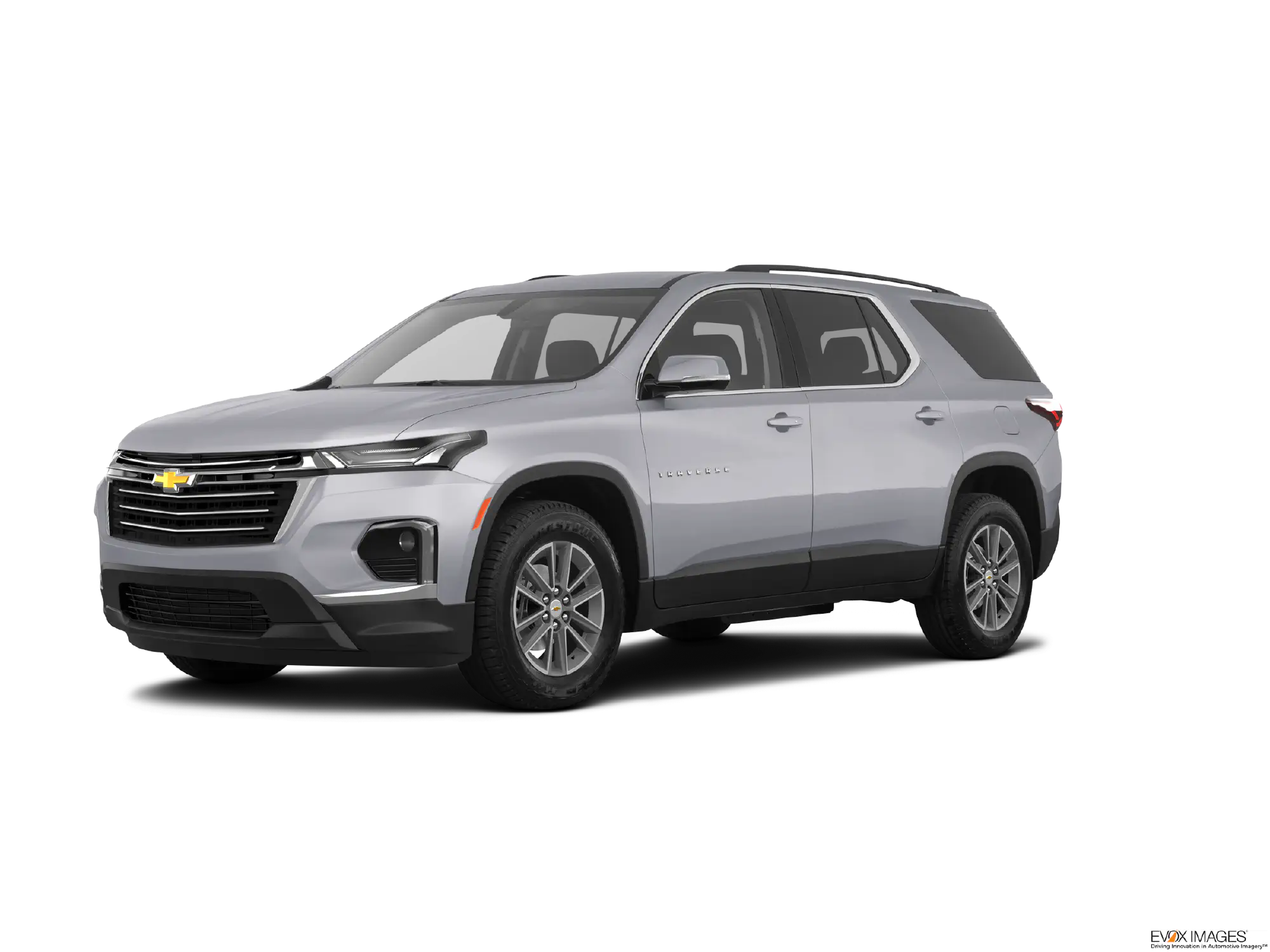
Chevrolet's Traverse has evolved into one of the more compelling choices for families seeking three-row SUV versatility without moving into the larger, more expensive Tahoe or Suburban.
With generous passenger accommodations, substantial cargo capacity, a turbocharged four-cylinder engine, and an increasingly sophisticated collection of technology features, the Traverse offers a combination of practicality and refinement that makes it worth considering against competitors such as the Honda Pilot, Toyota Grand Highlander, and Kia Telluride.
Choosing among the available Chevy Traverse trim levels requires more than comparing sticker prices, particularly because Chevrolet has changed the lineup over recent model years, including the LS, LT, RS, Z71, and High Country trims. Each represents different approaches to comfort, capability, and luxury and understanding these distinctions can help shoppers identify the best Traverse trim for their driving habits, family requirements, and long-term ownership budget.
Chevrolet redesigned the Traverse for the 2024 model year, introducing more rugged styling, a substantially revised interior, and a new turbocharged engine. The transformation also brought changes to the trim structure, making it important for buyers to distinguish between earlier Traverse models and the latest generation.
The previous-generation LS served as the entry-level model, providing straightforward transportation with three rows of seating and essential convenience features. The newer lineup emphasizes LT, Z71, RS, and, beginning with the 2025 model year, High Country, giving buyers more specialized choices.
| Traverse Trim | Primary Appeal | Best Suited For |
|---|---|---|
| LS | Affordable three-row transportation on earlier models | Budget-conscious used SUV buyers |
| LT | Balanced comfort, technology, and value | Families and daily commuters |
| RS | Sporty styling and premium equipment | Drivers seeking distinctive design |
| Z71 | All-wheel-drive capability and rugged styling | Snowy climates and outdoor activities |
| High Country | Upscale comfort and convenience | Families prioritizing luxury |
An important distinction is that these trims do not all appear together in the same model-year lineup. Buyers comparing an older LS against a current High Country are also comparing different generations, powertrains, and technology packages.
For shoppers focused on value, the LT generally presents the strongest balance of equipment and price, while the Z71 and High Country appeal to owners with more specialized priorities.
The Traverse LS established itself as a practical entry point into Chevrolet’s three-row SUV lineup, offering the spacious cabin and everyday usability that made the nameplate popular among families. Earlier LS models featured a naturally aspirated 3.6-liter V6, a nine-speed automatic transmission, and seating configurations designed to accommodate larger households.
Although the LS lacked some of the premium features found in higher trims, its relatively straightforward equipment package made it attractive to shoppers who valued passenger capacity over luxury appointments. For used-vehicle buyers, a well-maintained LS can still represent a sensible alternative to purchasing a smaller, newer crossover.
The modern Traverse LT takes a different approach by incorporating technology and convenience features that previously required stepping into more expensive trims. Its turbocharged 2.5-liter four-cylinder engine produces approximately 328 horsepower and 326 lb-ft of torque, paired with an eight-speed automatic transmission.
The LT also benefits from the redesigned Traverse’s expansive digital displays, improved interior packaging, and available driver-assistance technologies. Depending on the model year and equipment configuration, buyers can find features such as heated front seats, wireless smartphone connectivity, and power-operated convenience equipment.
For most families shopping for a newer Traverse, the LT offers a particularly appealing combination of comfort, performance, and reasonable purchase cost. Buyers considering an older LS should weigh the lower acquisition price against differences in safety technology, fuel economy, mileage, and remaining warranty coverage.
The Traverse RS and Z71 illustrate how Chevrolet has diversified the SUV’s personality without abandoning its family-oriented foundation. Both share the modern Traverse’s turbocharged powertrain, but their equipment and intended driving environments differ considerably.
The RS emphasizes appearance and on-road sophistication, featuring distinctive exterior accents, large wheels, sport-inspired interior details, and premium convenience equipment. Its visual character gives the Traverse a more assertive presence while retaining the spacious cabin and comfortable highway manners expected from a family crossover.
The Z71 prioritizes capability on uneven surfaces and in challenging weather conditions. Standard all-wheel drive, a twin-clutch rear-drive system, all-terrain tires, additional ground clearance, and suspension tuning tailored to rougher surfaces distinguish it from the more pavement-oriented trims.
| Feature | Traverse RS | Traverse Z71 |
|---|---|---|
| Primary Focus | Sporty appearance and premium features | All-weather and light off-road capability |
| Exterior Character | Sport-inspired styling | Rugged styling |
| Wheel and Tire Emphasis | Large, street-oriented wheels | All-terrain tires |
| Drivetrain | Configuration varies by model year | Standard AWD |
| Ride Characteristics | Pavement-focused | Tuned for varied surfaces |
| Ideal Driver | Urban and suburban families | Outdoor-oriented families |
For drivers who spend most of their time on paved roads, the RS delivers the more upscale presentation. The Z71 makes greater sense for owners who regularly encounter snow, gravel roads, or recreational destinations where additional traction can prove useful.
Neither trim transforms the Traverse into a dedicated off-road SUV, but the Z71 provides meaningful capability improvements for the conditions most families are likely to encounter.
The High Country brings a more traditional luxury-oriented identity to the Traverse lineup, combining premium materials, distinctive exterior detailing, and an extensive selection of comfort and convenience features. Its positioning makes it especially attractive to buyers who want an upscale three-row SUV without moving into a larger body-on-frame Chevrolet model.
While the RS emphasizes sporty design, the High Country focuses on refinement and everyday convenience. Depending on the model year, equipment may include ventilated front seats, heated second-row seating, advanced driver-assistance technology, and upgraded interior finishes.
Both trims benefit from the Traverse’s generous cargo capacity, which reaches approximately 98 cubic feet with the rear seating folded in the redesigned generation. That figure makes the vehicle particularly useful for families carrying luggage, sports equipment, strollers, and other bulky items.
The High Country is worth considering when its additional comfort features will be used regularly, especially during long-distance travel. Buyers primarily interested in styling may prefer the RS, while those who prioritize affordability should recognize that the LT delivers much of the same fundamental passenger and cargo versatility.
Purchase price represents only one component of the Traverse ownership equation. Higher trims can introduce additional expenses through larger tires, more sophisticated electronic systems, advanced seating features, and specialized drivetrain components.
Pricing varies significantly by model year, regional incentives, equipment packages, and dealer inventory. The following ranges are broad budgeting estimates rather than current manufacturer sticker prices.
| Traverse Trim | Approximate Purchase Price | Ownership Consideration |
|---|---|---|
| LS, Used | $15,000–$30,000 | Mileage and maintenance history |
| LT, Newer Generation | $41,000–$48,000 | Strong equipment-to-price balance |
| Z71, Newer Generation | $48,000–$55,000 | AWD and specialized tires |
| RS, Newer Generation | $54,000–$61,000 | Larger wheels and premium electronics |
| High Country, Newer Generation | $54,000–$62,000 | Additional luxury and electronic equipment |
Actual prices may fall outside these ranges, and buyers should verify model-year-specific MSRP and local transaction prices before making a decision.
Long-term repair expenses deserve equal attention, particularly when a Traverse will remain in service beyond its original manufacturer warranty.
| Potential Repair | Approximate Cost |
|---|---|
| Diagnostic Inspection | $100–$200 |
| Brake Pads and Rotors, Per Axle | $350–$750 |
| Air Conditioning Compressor Replacement | $900–$1,800 |
| Turbocharger Replacement | $1,500–$3,500 |
| Transmission Replacement | $4,500–$8,000 |
| AWD Drivetrain Component Repair | $800–$2,500+ |
These estimates are illustrative national ranges, not Traverse-specific repair quotes. Labor rates, model year, component availability, and the extent of the repair can substantially affect the final bill.
Owners should also remember that higher trim levels do not automatically experience more mechanical failures. Additional equipment simply introduces more components that may eventually require service.
Regardless of trim level, consistent maintenance remains one of the most effective ways to preserve the Traverse’s performance and long-term value. Owners should follow Chevrolet’s model-year-specific maintenance schedule, paying particular attention to engine oil, cooling-system condition, transmission operation, and tire maintenance.
For newer turbocharged Traverse models, using the manufacturer-specified oil grade and observing the vehicle’s oil-life monitoring system are particularly important. Turbocharged engines operate under demanding thermal conditions, making proper lubrication essential.
Z71 owners should also inspect tires, suspension components, and underbody areas after driving on gravel roads or in deep snow. AWD systems may require additional inspections and service procedures depending on operating conditions and the vehicle’s maintenance schedule.
Buyers researching used Traverse models should review maintenance records, obtain a pre-purchase inspection, and check for outstanding recalls.
A Technical Service Bulletin, commonly called a TSB, is a manufacturer-issued communication that provides dealership technicians with diagnostic information, repair procedures, or guidance concerning known vehicle conditions. Unlike a safety recall, a TSB does not automatically mean the manufacturer will pay for repairs. Owners can research manufacturer communications, TSB information, complaints, and recalls by entering their vehicle details at www.nhtsa.gov.
Higher trim levels offer greater convenience and refinement, but their additional technology can influence repair expenses after the original warranty expires. Features such as power-operated seats, sophisticated infotainment displays, electronic driver-assistance systems, and advanced AWD components may be expensive to repair if failures occur.
That does not mean shoppers should avoid the RS, Z71, or High Country. Instead, buyers should evaluate how long they intend to keep the vehicle and whether the additional equipment delivers enough everyday benefit to justify its purchase and potential maintenance costs.
For drivers planning to retain a Traverse beyond 100,000 miles, future repair exposure becomes an important consideration. Comparing available vehicle service contracts, deductibles, exclusions, and coverage terms can help owners prepare for unexpected mechanical expenses.
Granger Warranty provides an opportunity to explore extended vehicle protection options for eligible vehicles, allowing owners to evaluate coverage alongside their anticipated ownership timeline.
The LT is generally the best Traverse trim for buyers seeking a balance of affordability, technology, passenger comfort, and everyday practicality. It provides the essential benefits of the redesigned Traverse without requiring the additional expense associated with the RS or High Country.
The Z71 is better suited to drivers who regularly encounter snow, gravel roads, and challenging traction conditions, thanks to its standard AWD and capability-oriented equipment. The RS is the stronger choice for buyers who prioritize sporty styling, premium features, and primarily paved-road driving.
Yes, the High Country generally includes more premium comfort, convenience, and technology features than the LT. Specific equipment varies by model year, so shoppers should compare window stickers and standard-feature lists rather than relying exclusively on trim names.
A used Traverse LS can offer excellent passenger space and practical transportation at a lower purchase price than newer models. Its value depends heavily on mileage, maintenance history, vehicle condition, and whether its older technology meets the buyer’s expectations.
The LT is a strong long-term ownership choice because it combines useful features with a comparatively moderate purchase price. Drivers who need additional traction may find the Z71 worthwhile, while those seeking luxury should evaluate whether the High Country’s comfort upgrades justify the additional investment.
Selecting the right Chevrolet Traverse ultimately comes down to matching equipment and capability with how the vehicle will actually be used. The LT offers the strongest all-around value for many households, the Z71 adds confidence in challenging conditions, and the RS and High Country deliver more distinctive approaches to premium family transportation.
Whichever trim you choose, understanding maintenance requirements and potential repair expenses can make long-term ownership more predictable. As mileage increases and original manufacturer coverage expires, unexpected repairs can become a meaningful part of the ownership budget.
Granger Warranty offers vehicle owners a straightforward way to explore available extended warranty options, compare coverage details, and evaluate pricing before making a decision. Coverage eligibility, covered components, exclusions, and deductibles depend on the specific plan and vehicle.
Visit Granger Warranty to review available protection options and determine whether an extended warranty fits your Chevrolet Traverse ownership plans.
Stay up to date with the latest news from Granger Warranty