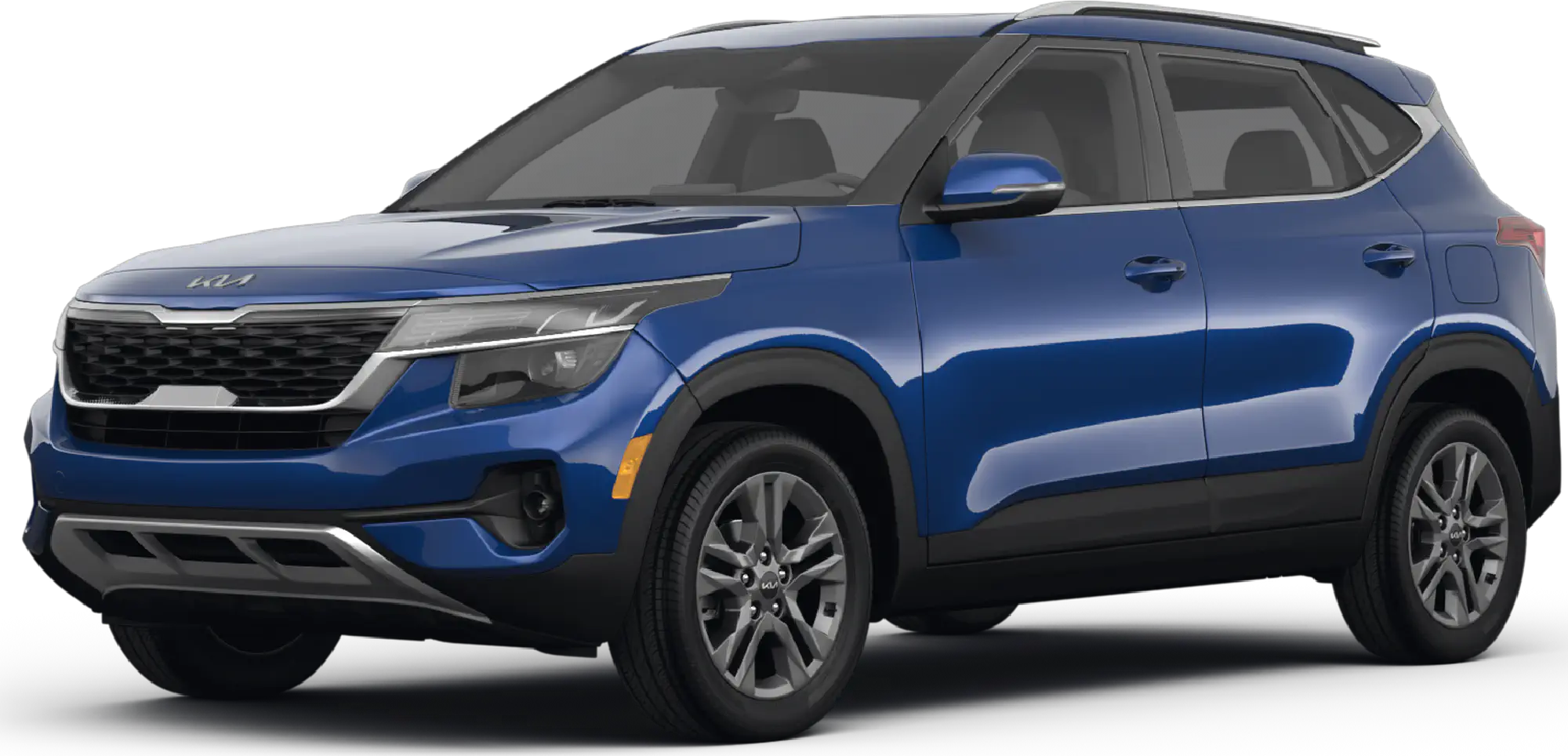
Best Chevy Trax Trim for the Money: LS vs LT vs ACTIV
Choosing a Chevrolet Trax looks straightforward until you start comparing trims.
Chevrolet keeps the Trax relatively simple, but deciding between the LS, LT, and ACTIV requires looking beyond the sticker price at comfort, equipment, ownership costs, and which features you will actually appreciate after several years.
A Chevy Trax Trim Comparison shows that each version targets a slightly different buyer. LS prioritizes affordability, LT adds useful everyday technology and convenience, while ACTIV gives the Trax a more upscale appearance and additional comfort features.
For most shoppers, the goal should not necessarily be buying the cheapest or most expensive Trax. Finding the best value means identifying the trim that delivers the equipment you want without paying for features you are unlikely to use.
Chevrolet redesigned the Trax around the idea of providing an affordable small crossover with considerably more passenger and cargo usefulness than its compact footprint might suggest. That makes trim selection especially important because moving up the range can change the vehicle’s comfort and appearance without dramatically changing its fundamental mission.
LS is the value-oriented starting point. It makes sense for drivers who primarily want dependable transportation, modern connectivity, and crossover practicality while keeping the purchase price as low as possible.
LT is positioned in the middle and is likely to be the sweet spot for many buyers. It adds convenience and technology that can make the Trax feel more complete as an everyday vehicle without requiring shoppers to move to a top trim.
ACTIV takes a different approach. Rather than turning the Trax into an off-road SUV, it emphasizes distinctive exterior styling and additional comfort features. Buyers should view ACTIV primarily as a more premium-looking Trax rather than as a fundamentally different vehicle.
| Category | Trax LS | Trax LT | Trax ACTIV |
|---|---|---|---|
| Best For | Budget-focused buyers | Overall value | Style and comfort |
| Purchase Cost | Lowest | Midrange | Higher |
| Technology | Essential features | More convenience technology | Builds on higher-level equipment |
| Interior Feel | Functional | More upscale | More distinctive |
| Exterior Styling | Simple | Refined | Rugged-inspired |
| Value Proposition | Maximum affordability | Strong balance | Premium features and appearance |
| Best Buyer | Commuter or first-time buyer | Most everyday drivers | Buyer wanting a better-equipped Trax |
Equipment can vary by model year and available packages, so shoppers should verify the window sticker and current Chevrolet specifications before purchasing.
Mechanical similarities are an important part of this Chevy Trax Trim Comparison. Moving to a more expensive trim generally does not mean receiving a completely different powertrain or dramatically different driving experience.
That makes the decision largely about equipment.
LS covers the basics and keeps costs down. For a first-time buyer, commuter, or household adding a second vehicle, that simplicity can be an advantage. There is little reason to pay thousands more for appearance and convenience features if they do not matter to you.
LT makes a stronger case for drivers spending substantial time behind the wheel. Additional convenience features and upgraded cabin technology can have more long-term value than cosmetic upgrades because owners interact with them every day.
ACTIV appeals to shoppers who like the Trax but want something that feels less entry-level. Its styling details and comfort-oriented equipment can make the vehicle feel more distinctive without requiring buyers to move into a larger and potentially more expensive SUV.
Purchase price is only one component of cost. Taxes, financing, insurance, depreciation, maintenance, tires, and eventual repairs all contribute to the amount you ultimately spend on a vehicle.
As a general shopping strategy, expect LS to establish the lowest entry point, LT to require a moderate premium, and ACTIV to sit toward the upper end of the Trax lineup. Exact pricing changes by model year, destination charges, incentives, packages, and dealer inventory, so current Chevrolet pricing should be checked before making a decision.
Financing can make small trim differences appear insignificant. A higher trim might add only a modest amount to a monthly payment, but buyers should still calculate the total amount financed rather than judging affordability solely by the monthly figure.
Long-term repair costs are another consideration. Modern vehicles rely heavily on electronic modules, displays, sensors, cameras, switches, and powered accessories. More equipment can mean more components that could eventually require diagnosis or replacement after the original warranty expires.
| Repair or Service | Approximate Cost Range |
|---|---|
| Diagnostic Inspection | $100 to $250 |
| Battery Replacement | $150 to $350 |
| Infotainment or Display Repair | $400 to $1,500+ |
| Sensor or Camera Repair | $250 to $1,200+ |
| Air-Conditioning Repair | $500 to $2,000+ |
| Major Engine or Turbocharger-Related Repair | $1,500 to $5,000+ |
| Major Transmission Repair | $3,000 to $6,000+ |
These are broad estimates rather than quotes for a specific Trax. Labor rates, model year, diagnosis, parts requirements, location, and the exact failure can substantially change the final bill.
Good maintenance matters regardless of trim. Following Chevrolet’s maintenance schedule, using the specified fluids, maintaining proper tire pressure, and addressing warning lights promptly can help prevent relatively minor problems from developing into more expensive repairs.
Keep service records as well. Documentation can make diagnosing recurring problems easier and may also benefit you when selling or trading the vehicle.
Drivers should pay attention to software updates and manufacturer service information. Modern vehicle problems are not always caused by failed mechanical components. In some cases, software, calibration, electrical connections, or sensors may be involved.
A Technical Service Bulletin, commonly called a TSB, is information issued by an automaker to help dealership technicians diagnose or repair known vehicle conditions. A TSB is not automatically the same thing as a safety recall, and the existence of a bulletin does not necessarily mean every vehicle will experience that problem. Owners can search for manufacturer communications, recalls, and related vehicle information through the National Highway Traffic Safety Administration.
Routine inspections become increasingly valuable as mileage accumulates. Catching leaks, worn suspension components, battery weakness, unusual noises, or changes in vehicle behavior early can sometimes reduce the size of the eventual repair bill.
Probably not. LS, LT, and ACTIV share the same basic Trax mission, so choosing among them is more about matching features to your budget than avoiding a fundamentally bad version of the vehicle.
LS is compelling if price is the overriding concern. Buyers who plan to keep their Trax for only a few years or simply need economical transportation may find little reason to spend more.
LT makes the strongest argument as an all-around value choice. Convenience and technology improvements are easier to appreciate over a long ownership period, particularly for commuters and drivers using the Trax as their primary vehicle.
ACTIV makes sense when appearance and comfort carry more weight. Paying more for styling is subjective, but there is nothing wrong with choosing a vehicle you will enjoy looking at and driving every day.
One consideration for long-term ownership is that additional electronic and convenience features can create additional repair exposure as the vehicle ages. That does not mean higher trims are unreliable. It simply means buyers planning to keep a Trax well beyond its original warranty period should consider future repair costs alongside today’s purchase price.
For the broadest group of shoppers, LT is arguably the best Chevy Trax trim for the money.
LS wins on pure affordability. If your goal is getting into a new Trax while spending as little as possible, LS deserves serious consideration.
LT provides a better balance between price and everyday usability. Features that improve the driver interface, cabin convenience, and daily comfort tend to provide value every time you use the vehicle rather than merely changing its appearance.
ACTIV is the more emotional choice. Its distinctive styling and additional amenities can absolutely justify the premium for someone who plans to keep the vehicle for years and wants a Trax that feels more special.
| Priority | Best Choice |
|---|---|
| Lowest Purchase Price | LS |
| First-Time Buyer | LS or LT |
| Best Overall Value | LT |
| Daily Commuting | LT |
| Technology and Convenience | LT |
| Styling and Comfort | ACTIV |
| Long-Term Ownership | LT |
| Budget-Focused Second Vehicle | LS |
Used-vehicle shoppers should evaluate condition and maintenance history before trim level. A well-maintained LS can be a much better purchase than a poorly maintained ACTIV with questionable service history.
Long-term ownership changes the value equation. A Trax that remains under Chevrolet’s original warranty presents a different financial risk than one approaching higher mileage with several years of ownership ahead.
Extended coverage can help eligible owners manage certain covered repair expenses after applicable original coverage ends. Buyers should always read the actual contract carefully because exclusions, deductibles, eligibility requirements, covered components, and claim procedures matter more than the name attached to a protection plan.
Granger Warranty provides vehicle owners with extended coverage options and straightforward online pricing. For Trax owners considering longer-term ownership, comparing available coverage against expected repair exposure can be a useful part of the overall ownership budget.
Coverage should complement maintenance rather than replace it. Oil changes, tires, brakes, scheduled services, and other maintenance or wear items should still be planned for separately unless a particular contract specifically states otherwise.
For many buyers, yes. LT generally provides a more attractive balance of technology and convenience while avoiding the cost of moving to one of the most style-focused versions of the Trax.
LS remains the smarter option when minimizing purchase price is the primary objective. Compare the exact equipment on both vehicles before deciding whether LT’s additional features justify the price difference.
ACTIV is not automatically better. It is better suited to buyers who place additional value on styling, comfort, and a more distinctive presentation.
LT can be the stronger value because it delivers many of the features most drivers appreciate without requiring them to pay primarily for appearance upgrades.
LS and LT are both strong candidates. LS minimizes upfront expense, while LT may provide a better equipment mix for someone planning to keep the vehicle for many years.
First-time buyers should also compare insurance quotes and financing costs. A relatively small difference in purchase price can become more significant once interest and insurance are considered.
LT offers an appealing middle ground. It provides useful comfort and technology without making the purchase unnecessarily expensive.
Condition and maintenance ultimately matter more than trim once a vehicle begins accumulating significant mileage. Following the recommended service schedule should remain a priority regardless of which Trax you buy.
It can for owners who expect to keep their Trax beyond its original warranty period and prefer greater predictability around certain covered repairs. The value depends on the vehicle’s age and mileage, coverage term, deductible, exclusions, price, and how long you expect to own the vehicle.
Compare the cost of coverage with your ability and willingness to absorb an unexpected repair bill. Always review the actual coverage agreement before purchasing.
A Chevy Trax Trim Comparison ultimately points to three different value propositions. LS is the budget choice, LT offers the strongest overall balance for many shoppers, and ACTIV is aimed at buyers willing to spend more for comfort and distinctive styling.
Whichever trim you choose, consider the entire ownership timeline rather than focusing only on today’s purchase price. Maintenance, depreciation, insurance, financing, and potential post-warranty repairs can have a much larger effect on your finances over several years.
If you plan to keep your Trax beyond its original warranty period, visit Granger Warranty to review available extended coverage options and pricing. Comparing protection costs while the vehicle is still relatively new can help you decide whether extended coverage fits your long-term ownership strategy.
Stay up to date with the latest news from Granger Warranty