Best GM Pickup for a First-Time Truck Owner
Buying your first pickup can be surprisingly complicated. Chevrolet and GMC offer everything from maneuverable midsize trucks to full-size pickups capable of towing large trailers, and choosing too much truck can be just as inconvenient as choosing too little.
For many shoppers searching for the Best GM Truck for First-Time Owners, the decision comes down to three core choices: the Chevrolet Colorado, Chevrolet Silverado 1500, and GMC Sierra 1500. Each provides genuine truck capability, but their size, operating costs, towing potential, and everyday usability can make them very different ownership experiences.
This guide explains how those differences affect a first-time truck buyer, what maintenance and repair expenses to anticipate, and how to decide which GM pickup configuration fits your actual needs.
First-time truck buyers should start by thinking about what the truck will do during an average week, rather than focusing exclusively on maximum towing or payload numbers.
A Chevrolet Colorado is a logical place to begin for someone coming from a car or compact SUV. Its midsize dimensions make parking, commuting, and navigating tighter roads easier while still providing an open bed and meaningful towing capability.
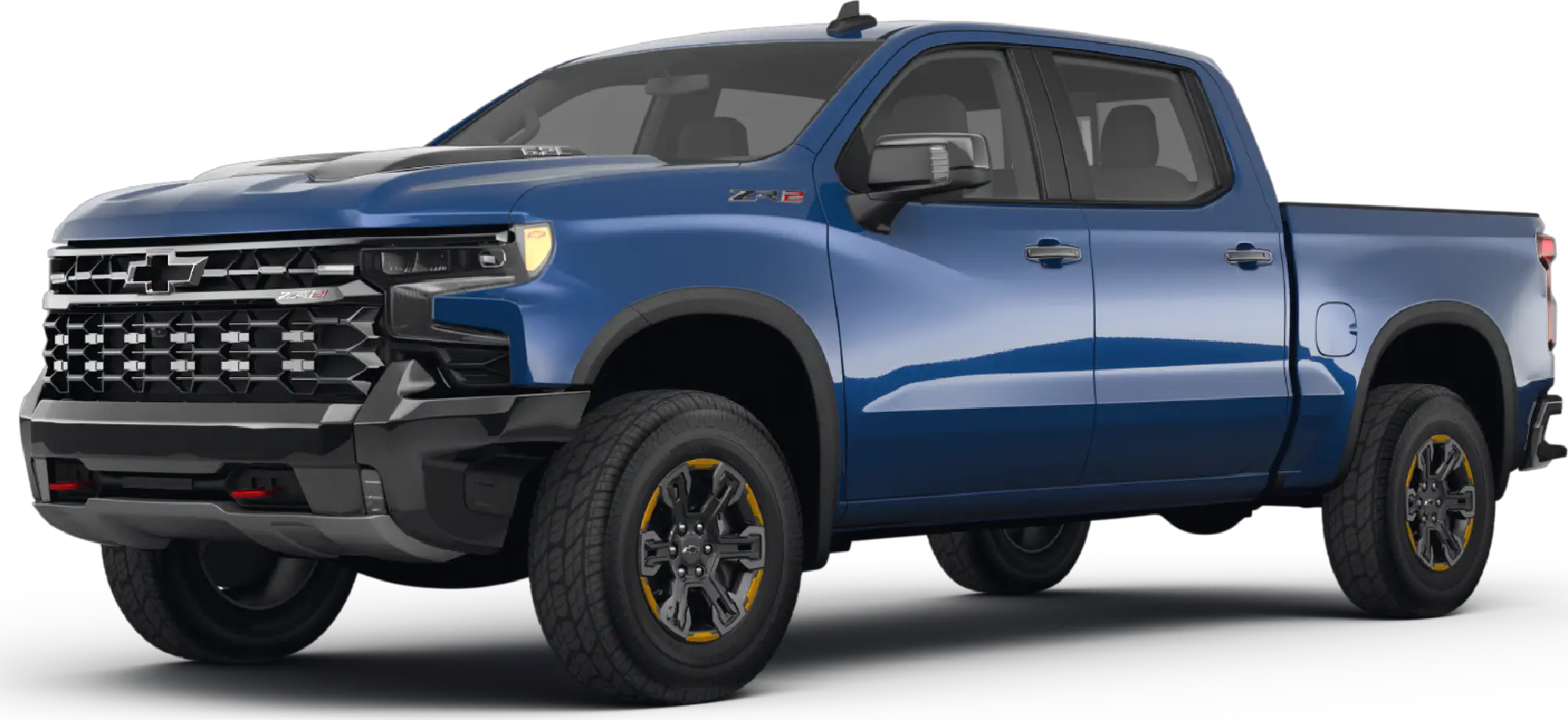
A Chevrolet Silverado 1500 moves into the full-size category. The larger cab and bed choices, broader powertrain selection, and increased towing capability make it better suited to owners who expect their truck to handle family transportation, recreational trailers, home projects, or regular hauling.
The GMC Sierra 1500 shares much of its underlying engineering with the Silverado 1500 but offers different styling, trims, equipment combinations, and premium-oriented configurations. Buyers considering a Silverado should generally cross-shop the Sierra because the fundamental ownership requirements are similar.
| GM Pickup | Best Fit for a First-Time Owner | Everyday Driving | Capability |
|---|---|---|---|
| Chevrolet Colorado | Commuting, light hauling, smaller trailers | Easiest to maneuver | Midsize truck capability |
| Chevrolet Silverado 1500 | Mixed daily use, towing, hauling, family use | Larger footprint | Broad full-size capability |
| GMC Sierra 1500 | Full-size capability with different trim and feature choices | Similar to Silverado | Broad full-size capability |
Exact towing and payload ratings vary considerably by model year, engine, drivetrain, cab, bed, axle ratio, and equipment. Always verify the specific truck’s ratings before buying it for a particular trailer or payload.
Pickup ownership introduces considerations that car and crossover owners may not have dealt with previously.
Size is the most obvious difference. A crew-cab full-size pickup can require more attention in parking garages, drive-throughs, narrow streets, and crowded parking lots. Buyers should test-drive a truck through the environments they encounter regularly instead of limiting the test drive to wide suburban roads.
Payload is another frequently misunderstood specification. Everything carried by the truck counts toward its available payload, including passengers, cargo, accessories, and the tongue or pin weight imposed by a trailer.
Towing also involves more than finding a maximum number in an advertisement. Trailer type, configuration, hitch equipment, cargo, passengers, and the truck’s specific equipment all affect whether a combination is appropriate.
Fuel and maintenance costs deserve consideration as well. Larger tires, greater fluid capacities, four-wheel-drive components, and heavier-duty brakes can make a full-size pickup more expensive to operate than the sedan or crossover it replaces.
For drivers who mainly want a practical pickup bed and occasionally tow, the Colorado can offer an easier transition into truck ownership. Its smaller footprint can reduce one of the biggest adjustment periods for new truck drivers: simply learning to live with a longer and wider vehicle.
Silverado 1500 buyers gain significantly more configuration flexibility. Depending on model year, Chevrolet has offered multiple cab, bed, drivetrain, and powertrain combinations, making it possible to configure a Silverado for anything from everyday commuting to serious recreational towing.
The Sierra 1500 appeals to a similar buyer but provides GMC-specific styling and trim choices. A first-time owner interested in a more upscale cabin or particular GMC features may prefer it without moving into a heavier-duty truck.
Heavy-duty Silverado HD and Sierra HD models can make sense when the job genuinely demands their capability. For a first-time owner who does not regularly tow or haul heavy loads, their additional size, weight, operating costs, and capability may simply be unnecessary.
Repair expenses vary substantially by model year, powertrain, labor rates, vehicle condition, and the component involved. A used pickup with an incomplete maintenance history can also create very different expenses from a newer truck that has been maintained consistently.
Routine wear items should be separated from unexpected mechanical failures. Tires, brakes, batteries, fluids, filters, and scheduled maintenance are normal ownership expenses and are generally not the same type of costs owners purchase vehicle service coverage to address.
More complicated repairs can become expensive because modern pickups combine traditional mechanical systems with turbocharging on certain engines, sophisticated transmissions, four-wheel-drive hardware, electronic modules, cameras, sensors, and advanced driver-assistance equipment.
| Service or Repair Category | Approximate Cost Range |
|---|---|
| Diagnostic inspection | $100-$250 |
| Battery replacement | $200-$500 |
| Brake service | $300-$1,000+ |
| Truck tire replacement | $800-$1,800+ per set |
| Cooling-system repair | $300-$1,500+ |
| Sensor or electronic repair | $200-$1,500+ |
| Major transmission repair/replacement | $2,500-$7,000+ |
| Major engine repair/replacement | $4,000-$10,000+ |
These figures are broad planning estimates rather than quotes. Local labor rates, parts pricing, engine selection, model year, and the exact failure can push actual costs above or below these ranges.
A pre-purchase inspection is especially worthwhile when shopping for a used truck. Paying for professional diagnostics before purchase can uncover leaks, worn suspension components, drivetrain concerns, evidence of hard towing use, or neglected maintenance before those problems become your responsibility.
Following the maintenance schedule for the specific model and powertrain is the simplest way to establish good truck ownership habits. Engine oil, coolant, transmission fluid, brake fluid, filters, tires, and other service items should be inspected or replaced according to GM’s recommendations for the vehicle and operating conditions.
Owners who tow should pay particularly close attention to severe-service recommendations. Towing adds heat and load to the engine, transmission, brakes, cooling system, tires, and driveline.
Tire pressure matters for both everyday driving and hauling. Check the driver’s door-jamb information for the truck’s specified tire pressures and consult the owner’s manual when preparing for towing or carrying substantial loads.
Four-wheel-drive trucks add components such as a transfer case and additional driveline hardware. Regular inspections can identify leaks or worn components before a relatively small problem turns into a larger repair.
New owners should also resist immediately adding heavy accessories without considering their effect on payload. Toolboxes, tonneau covers, steps, bumpers, cargo, and other equipment all add weight.
A Technical Service Bulletin, commonly called a TSB, is information an automaker provides to service technicians about known symptoms, diagnostic procedures, repair methods, or product updates. A TSB is not automatically a recall, and its existence does not necessarily mean every truck of that model will develop the condition described.
Rather than relying on isolated forum posts, prospective owners can research manufacturer communications and TSB information through the National Highway Traffic Safety Administration. Enter the truck’s year, make, and model to review available manufacturer communications, recalls, and other safety information.
This research is particularly useful when buying used. It gives shoppers additional context for symptoms noticed during a test drive and can provide useful questions to discuss with a Chevrolet or GMC service department.
Owning a modern GM pickup does not mean expensive repairs are inevitable. It does mean owners should understand how the truck’s complexity and intended use can affect long-term costs.
Pay attention to warning lights, unusual transmission behavior, unexplained fluid loss, overheating, drivetrain noises, persistent vibrations, four-wheel-drive warnings, and malfunctioning electronics. Diagnosing an abnormal symptom early can sometimes prevent secondary damage.
Maintenance history becomes increasingly important as mileage accumulates. A well-documented truck with evidence of regular service can be a more reassuring used purchase than one with fewer miles but little information about how it was maintained.
First-time owners planning to keep their pickup well beyond its original warranty period should also think about their tolerance for an unexpected multi-thousand-dollar repair. Some owners prefer to self-fund that risk, while others value the predictability offered by an extended vehicle service plan.
Once a truck moves beyond its original warranty coverage, the owner becomes responsible for eligible repair expenses that are no longer covered by the manufacturer.
That matters with modern pickups because a single vehicle can contain a sophisticated powertrain, transmission, four-wheel-drive system, infotainment hardware, electronic modules, and numerous sensors.
Granger Warranty provides extended coverage options designed to help eligible vehicle owners manage unexpected covered repair expenses. Coverage varies by plan, vehicle, eligibility, term, and contract provisions, so owners should review the actual agreement carefully rather than assuming every component or repair is included.
Truck shoppers can visit Granger Warranty to review available coverage and pricing. Comparing the cost of coverage against your expected ownership period, mileage, repair budget, and tolerance for unexpected expenses can help determine whether an extended plan makes financial sense for your situation.
Yes, the Colorado can be an approachable option for someone transitioning from a car or crossover. Its midsize footprint is easier to maneuver than a full-size pickup while retaining a usable bed and meaningful towing and hauling capability.
Buyers should still compare payload, towing requirements, passenger space, and bed dimensions against their actual needs before choosing a configuration.
Not necessarily. Drivers who need full-size passenger space, towing capability, or greater hauling flexibility may find a Silverado 1500 fits their needs better than a midsize pickup.
Parking and maneuverability are worth testing before buying. Spend part of the test drive in parking lots, narrow streets, and other places you regularly visit.
It depends on climate, road conditions, towing habits, and intended use. Four-wheel drive can provide additional traction in snow, mud, loose surfaces, and certain work or recreational situations, while two-wheel-drive configurations can be simpler for buyers who primarily drive on paved roads in mild conditions.
Compare the specific truck’s payload and towing ratings because drivetrain choices can affect specifications.
There is no universal amount because repair exposure changes with age, mileage, powertrain, maintenance history, and usage. Keeping enough emergency savings to handle a four-figure unexpected repair provides a useful starting point for owners without extended coverage.
Major powertrain failures can cost several thousand dollars, which is why long-term owners should include repair risk in their overall truck budget.
Start with the trailer rather than the truck. Determine the trailer’s loaded weight, tongue or pin weight, passengers, cargo, and equipment before comparing individual truck configurations.
A Colorado may work well for lighter recreational towing, while a properly configured Silverado 1500 or Sierra 1500 provides additional capability for larger trailers. Always verify the ratings of the exact truck rather than relying on a model’s advertised maximum.
Choosing your first pickup is ultimately about matching capability to the way you actually drive. Colorado provides a manageable introduction to truck ownership, while Silverado 1500 and Sierra 1500 give buyers more space, configuration choices, and potential towing capability.
Whichever GM pickup fits your needs, plan for maintenance and unexpected repairs as part of the total ownership cost. Buyers expecting to keep their truck beyond its original warranty period can visit Granger Warranty to compare available extended coverage options, terms, and pricing before deciding whether additional protection belongs in their long-term ownership plan.
Stay up to date with the latest news from Granger Warranty