Best GM SUV for Dog Owners and Cargo Space
Finding an SUV that works for both people and pets requires more than simply choosing the model with the biggest exterior dimensions.
Dog owners need usable cargo room, easy entry and exit, flexible seating, climate control, durable interior surfaces, and enough space to separate pets from luggage on longer trips.
For shoppers searching for the Best GM SUV for Dog Owners, Chevrolet, GMC, and Buick offer several strong choices. The Chevrolet Suburban is the cargo-space champion, while the Chevrolet Traverse, GMC Acadia, and Buick Enclave provide nearly 100 cubic feet of maximum cargo capacity without requiring buyers to move into a full-size SUV.
For many households, the Chevrolet Traverse may offer the best overall balance. Owners with multiple large dogs, crates, or substantial travel gear should give the Suburban serious consideration.
Dogs change how an SUV’s interior gets used. Cargo specifications matter, but the shape and accessibility of that space can be just as important as the maximum number published on a specification sheet.
A large dog may need enough height to stand comfortably, while a crate requires a wide, relatively square cargo floor. Families traveling with both dogs and children also need usable space behind the third row because folding every rear seat is not always practical.
Important considerations include:
Maximum cargo volume becomes especially important for owners of multiple dogs. A Labrador retriever and its travel crate can consume a surprising amount of room before food, water, luggage, and other equipment enter the equation.
GM’s three-row SUVs cover a wide range of sizes. Current manufacturer specifications illustrate just how much additional room buyers can gain by moving from a midsize model into a full-size Chevrolet.
| GM SUV | Maximum Cargo Volume | Cargo Behind Third Row | Best Fit |
|---|---|---|---|
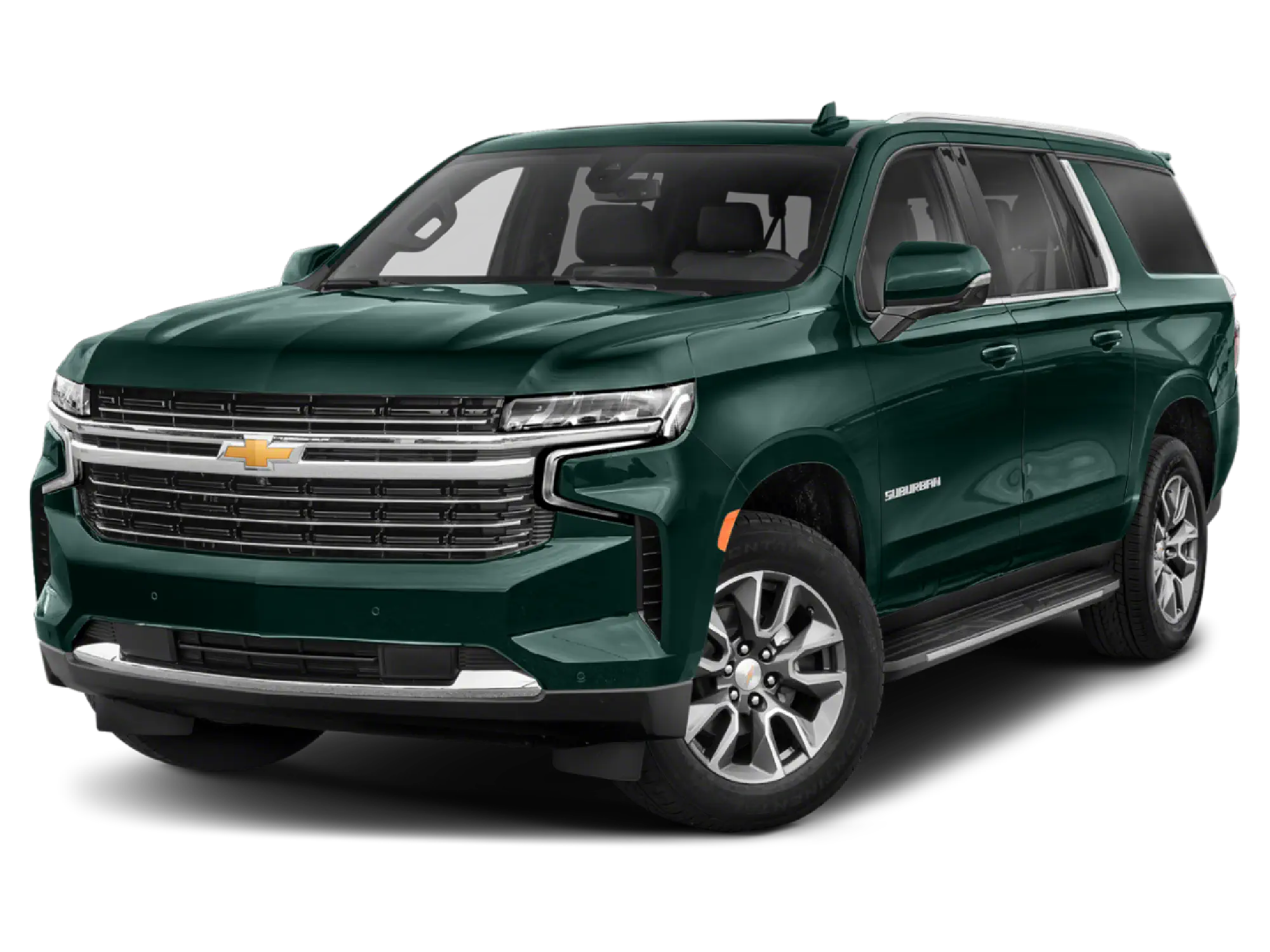
| Chevrolet Suburban | 144.5 cu. ft. | 41.5 cu. ft. | Multiple large dogs, crates, family travel |
| Chevrolet Tahoe | 122.7 cu. ft. | 25.5 cu. ft. | Large dogs and full-size SUV buyers |
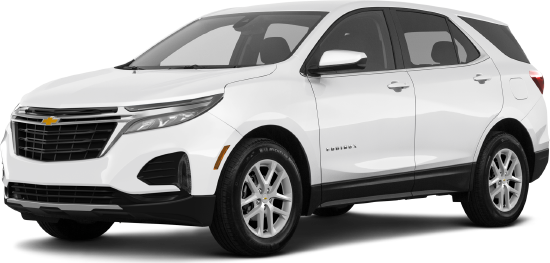
| Chevrolet Traverse | 98.0 cu. ft. | 22.9 cu. ft. | Best all-around midsize choice |
| GMC Acadia | 97.5 cu. ft. | 23.0 cu. ft. | Premium midsize and active lifestyles |
| Buick Enclave | 97.5 cu. ft. | Varies by configuration | Comfort-focused dog owners |
Chevrolet lists the 2026 Suburban at up to 144.5 cubic feet of maximum cargo volume, making it the clear space leader in this group. It provides 93.8 cubic feet behind the second row and 41.5 cubic feet behind the third row.
Chevrolet’s Tahoe provides 122.7 cubic feet behind the first row, 72.5 behind the second, and 25.5 behind the third.
The 2026 Traverse provides 98 cubic feet of maximum cargo volume, 56.6 cubic feet behind the second row, and 22.9 behind the third. Chevrolet also offers seating for up to eight, depending on configuration.
GMC’s 2026 Acadia is extremely close, providing up to 97.5 cubic feet behind the first row and 23 cubic feet behind the third row.
Buick lists the 2026 Enclave with up to 97.5 cubic feet of maximum cargo capacity and seating for up to seven.
Traverse hits a useful middle ground between everyday maneuverability and genuinely substantial cargo capacity. Its 98 cubic feet of maximum space means owners can fold the rear seating when transporting crates, beds, camping equipment, or multiple dogs without immediately needing a Tahoe or Suburban.
More important for families is the 22.9 cubic feet available behind the third row. Keeping all three rows usable while retaining cargo space can make a significant difference when children and pets frequently travel together.
Available all-wheel drive also makes the Traverse appealing to owners who regularly take their dogs hiking, camping, or traveling in winter weather. Buyers wanting a more rugged configuration can consider the Z71, while families focused primarily on daily transportation may find the LT more practical.
A hands-free AutoSense Power Liftgate is another useful feature when approaching the vehicle with leashes, bags, or pet supplies.
Owners who routinely transport several large dogs have a different set of requirements. In that situation, maximum cargo volume becomes much more than a specification used for comparison shopping.
Suburban’s 144.5 cubic feet of maximum cargo space provides substantially more room than GM’s midsize three-row SUVs. Even with the third row in place, Chevrolet lists 41.5 cubic feet behind it.
That extra space can be particularly valuable when traveling with large crates. Owners may be able to dedicate the rear cargo area to dogs while keeping passenger seating available instead of constantly choosing between people and cargo.
Suburban’s tradeoffs are predictable. It costs more, consumes more garage and parking space, and may be more vehicle than a one-dog household needs.
For owners with two or three large dogs, frequent road-trip luggage, or bulky outdoor equipment, those compromises can be worthwhile.
GMC Acadia shares much of the Traverse’s basic appeal but presents it with different styling, trim choices, and available equipment. GMC lists up to 97.5 cubic feet of maximum cargo space, with 57.3 cubic feet behind the second row and 23 cubic feet behind the third on the Acadia AT4.
AT4 deserves particular consideration for owners whose dog-friendly weekends frequently involve trailheads, campsites, or unpaved roads. GMC equips it with an Active Torque Control AWD system, off-road-tuned suspension, increased ride height, skid plates, and all-terrain tires.
Buick Enclave takes the opposite approach. Its 97.5 cubic feet of maximum cargo room makes it competitive with Traverse and Acadia, but its positioning emphasizes comfort and a more premium cabin experience.
Dog owners should remember that upscale interior materials require protection. Cargo liners, washable seat covers, door protectors, and properly secured pet restraints can help preserve the cabin regardless of which SUV you choose.
Dogs do not create mechanical problems simply by riding in an SUV, but regular pet transportation can accelerate wear in areas owners might otherwise overlook. Upholstery, cargo trim, door panels, seat mechanisms, climate vents, and electrical components around the cargo area can all be exposed to hair, moisture, dirt, and scratching.
Costs vary dramatically by model, trim, labor rate, and the component involved. The following ranges are general planning estimates rather than quotes.
| Service or Repair | Approximate Cost Range |
|---|---|
| Interior diagnostic or electrical inspection | $100 to $250 |
| Professional interior detailing | $150 to $400+ |
| Minor upholstery repair | $150 to $500 |
| Interior trim or cargo panel replacement | $200 to $800+ |
| Power liftgate diagnosis or minor repair | $150 to $600+ |
| Power liftgate component replacement | $500 to $1,500+ |
| Rear HVAC or electrical repair | $300 to $1,500+ |
Normal wear, stains, scratches, odors, and pet damage generally should not be assumed to qualify as covered mechanical failures under an extended service contract. Coverage depends on the specific plan, failure, exclusions, and contract terms.
Mechanical or electrical component failures are different. A failed power liftgate motor, HVAC component, control module, or other covered part may qualify depending on the contract and cause of failure.
Preventing pet-related interior deterioration starts with controlling hair, dirt, and moisture. A fitted cargo liner is one of the simplest investments because it creates a removable barrier between the dog and the factory carpeting.
Vacuum underneath removable liners periodically rather than assuming the covered area stays clean. Fine dog hair and dirt can migrate underneath mats and into seat tracks, vents, and trim gaps.
Keep water bowls secured during travel and clean spills promptly. Repeated moisture exposure can contribute to odors, staining, corrosion, or electrical issues if liquid reaches switches and connectors.
Inspect seat-folding mechanisms and tracks for hair and debris. Third-row and second-row seats rely on mechanical and sometimes powered components that should move freely.
Owners using crates should secure them appropriately and consider protective padding where the crate contacts interior trim. An unsecured metal crate can damage plastic panels during abrupt braking or rough-road driving.
Regularly checking weather seals around the liftgate is also worthwhile. Dogs frequently enter through the rear opening, where claws, dirt, and repeated loading can expose seals and trim to additional wear.
A Technical Service Bulletin, commonly called a TSB, is information an automaker provides to dealerships and technicians about known symptoms, diagnostic procedures, service updates, or repair methods. A TSB is not automatically the same thing as a safety recall, and the existence of a bulletin does not necessarily mean every vehicle will develop that problem.
Used-SUV shoppers can research TSBs and recall information through the National Highway Traffic Safety Administration. Search by year, make, and model rather than relying solely on forum posts or anecdotal reports. A pre-purchase inspection and review of the individual vehicle’s service history remain valuable because condition can vary considerably between two SUVs of the same model year.
Pet ownership itself should not be a reason to worry about buying a GM SUV. The more important consideration is that modern three-row SUVs contain increasingly sophisticated mechanical, electrical, comfort, and driver-assistance systems.
Features such as powered liftgates, multi-zone climate control, cameras, sensors, power-folding seats, large infotainment systems, turbocharged engines, and advanced AWD systems improve everyday usability but can also create more potential repair expenses as a vehicle ages.
Dog owners often keep SUVs for exactly that reason. Once an SUV has been configured around crates, liners, family travel, and outdoor activities, replacing it every few years may be less attractive than maintaining it for the long term.
Buyers planning extended ownership should therefore consider both interior durability and mechanical repair exposure. Maintenance records, vehicle condition, mileage, and warranty status can matter just as much as cargo specifications.
Chevrolet Traverse is arguably the strongest all-around choice for many dog-owning households because it combines three-row seating with up to 98 cubic feet of maximum cargo volume.
Owners transporting multiple large dogs or full-size crates should consider the Chevrolet Suburban instead. Its 144.5 cubic feet of maximum cargo capacity provides significantly more flexibility.
Chevrolet Suburban has the most maximum cargo space among the GM SUVs discussed here, with up to 144.5 cubic feet. It also retains 41.5 cubic feet behind the third row, making it particularly useful when passengers and dogs need to travel together.
Yes. Tahoe provides up to 122.7 cubic feet behind the first row and 72.5 cubic feet behind the second, offering considerably more room than most midsize SUVs.
Its full-size dimensions make it especially attractive for large breeds, crates, and owners carrying substantial travel gear.
Acadia AT4 is worth considering for outdoor-focused owners because it combines substantial cargo capacity with equipment intended for more challenging driving conditions. Features include an active AWD system, off-road-tuned suspension, increased ride height, skid plates, and all-terrain tires.
Owners should still evaluate the terrain they actually encounter because an off-road-oriented trim is not necessary for ordinary paved-road travel.
An extended service contract can make sense when you expect to keep the SUV beyond its original warranty period and want protection against certain covered mechanical or electrical failures. Pet damage, routine maintenance, cosmetic deterioration, and normal wear should not be assumed to be covered.
Review eligibility, exclusions, deductible options, and covered components before purchasing any plan. The value depends more on the vehicle, ownership period, coverage terms, and tolerance for unexpected repair expenses than on whether dogs ride in the vehicle.
Choosing the Best GM SUV for Dog Owners comes down to how much space your household genuinely needs. Traverse is a compelling midsize all-rounder, Acadia offers a more rugged option in AT4 form, Enclave prioritizes comfort, Tahoe adds full-size capability, and Suburban is difficult to beat when maximum cargo room is the priority.
Keeping any of these SUVs for years also means planning for repairs after the original warranty period ends. Granger Warranty offers extended coverage options with transparent pricing and nationwide acceptance, giving eligible owners another way to manage certain covered repair expenses while keeping a vehicle longer.
Coverage terms, exclusions, eligibility, deductibles, and plan availability should always be reviewed before purchase. Cosmetic damage, pet-related damage, maintenance, and ordinary wear should not be assumed to be covered.
Visit Granger Warranty to review available coverage options and pricing for your GM vehicle.
Stay up to date with the latest news from Granger Warranty