Best GMC Denali Model for Luxury on a Truck Budget
GMC Denali affordable luxury has long appealed to buyers who want upscale materials, premium technology, and a more refined driving experience without moving completely into luxury-brand territory.
For truck shoppers in particular, Denali models combine the utility expected from GMC with features that would not look out of place in a premium SUV.
Picking the best Denali is not as simple as choosing the most expensive model. A Sierra 1500 Denali may deliver the best combination of capability and comfort, while a Canyon Denali can provide much of the same premium atmosphere in a smaller, potentially more manageable package.
For buyers shopping with value in mind, the real question is where the Denali premium delivers meaningful everyday benefits and where it simply adds equipment you may not need.
Denali is GMC’s premium trim family rather than a separate vehicle brand. Depending on the model and year, Denali equipment can include upgraded interior materials, larger displays, premium audio, additional driver-assistance technology, distinctive exterior trim, heated and ventilated seating, and other comfort-focused features.
That distinction matters because buyers can retain the basic capability and architecture of a GMC truck while getting a noticeably more upscale cabin.
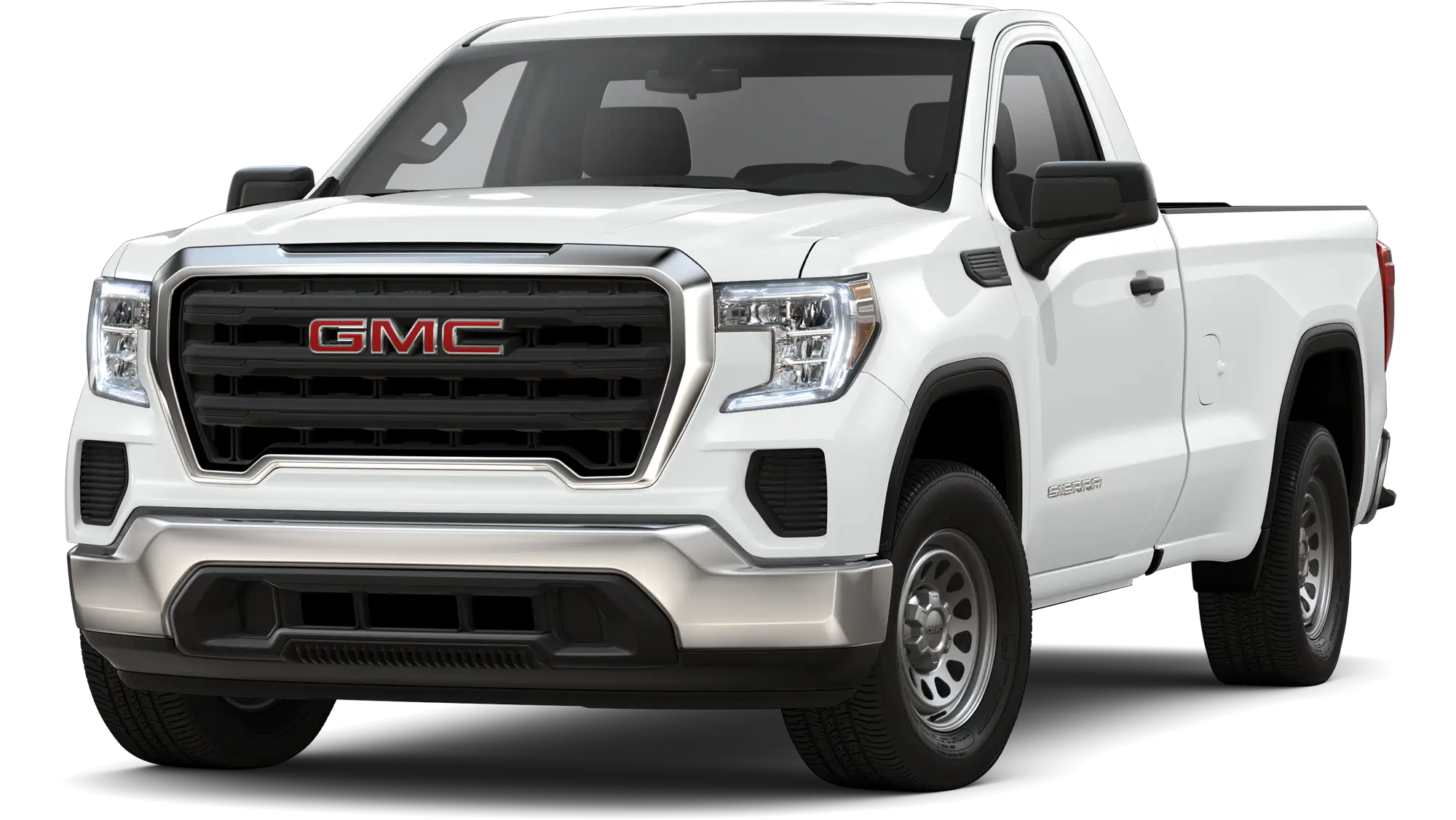
The Sierra 1500 Denali is arguably the sweet spot for traditional full-size truck buyers. It offers serious towing and hauling capability while providing a cabin designed to make commuting, road trips, and daily driving more comfortable.
Canyon Denali takes a different approach. Its midsize dimensions make it easier to maneuver and park, while the Denali treatment adds premium features that help it feel less like a basic work truck.
Sierra HD Denali sits at the other end of the spectrum. It makes the most sense when heavy-duty towing and payload requirements are genuine needs rather than occasional possibilities.
| GMC Model | Best Suited For | Luxury Value | Capability Focus |
|---|---|---|---|
| Canyon Denali | Urban driving, commuting, light-duty truck use | Strong | Midsize versatility |
| Sierra 1500 Denali | Daily driving, towing, family use | Excellent | Full-size capability |
| Sierra 1500 Denali Ultimate | Buyers prioritizing maximum amenities | Premium-priced | Luxury plus full-size capability |
| Sierra HD Denali | Frequent heavy towing | Strong for the right owner | Heavy-duty work |
Exact features, engines, towing ratings, and equipment vary considerably by model year and configuration. Buyers should verify specifications for the exact VIN or vehicle being considered.
Sierra 1500 Denali is likely the best overall answer for someone specifically seeking luxury on a truck budget.
A full-size pickup naturally provides a spacious cabin, substantial road presence, useful cargo capacity, and broad powertrain availability. Adding the Denali package turns that practical foundation into something considerably more comfortable without eliminating the characteristics that made the truck useful in the first place.
That balance is important. Canyon Denali can cost less and may be easier to live with, but buyers who regularly carry passengers or tow larger trailers may appreciate the Sierra’s additional capability.
Denali Ultimate pushes the concept further with additional premium appointments and technology. It can be impressive, but shoppers focused specifically on value should compare the equipment carefully. A regular Denali may provide most of the luxury features they actually use while leaving more money in the budget for fuel, maintenance, accessories, or long-term vehicle protection.
Visit GMC’s official website to compare current configurations and specifications before purchasing.
Luxury equipment does not automatically make a truck unreliable, but additional technology can increase the number and complexity of components that may eventually need service.
Modern premium trucks can contain sophisticated infotainment systems, cameras, sensors, power accessories, electronically controlled suspension components, advanced climate systems, and extensive driver-assistance hardware. Repairing these systems outside applicable warranty coverage can become expensive.
Approximate independent repair costs can vary substantially:
| Potential Service | Approximate Cost Range |
|---|---|
| General diagnostic inspection | $100-$250 |
| Infotainment or electronic diagnosis | $150-$300+ |
| Camera or sensor replacement/calibration | $300-$1,500+ |
| Power seat or related component repair | $300-$1,200+ |
| Suspension component repair | $500-$2,000+ |
| Major transmission repair/replacement | $3,000-$8,000+ |
| Major engine repair/replacement | $4,000-$10,000+ |
These figures are broad planning estimates rather than quotes. Labor rates, model year, powertrain, part selection, damage, geographic location, and dealership versus independent-shop pricing can dramatically change the final bill.
A pre-purchase inspection is particularly worthwhile when buying a used Denali. Mechanical condition matters, but buyers should also test every premium feature, including seat functions, cameras, displays, climate controls, driver-assistance systems, power accessories, and audio equipment.
Maintenance should be a major consideration when comparing used Denali trucks. A less expensive example with incomplete service records may ultimately cost more than a slightly higher-priced truck with documented maintenance.
Follow the maintenance schedule specified for the exact vehicle, engine, drivetrain, and operating conditions. Trucks regularly used for towing, hauling, off-road driving, short trips, or severe weather can have different service needs than lightly driven commuter vehicles.
Pay particular attention to fluid condition and service history. Engine oil is only one part of the equation. Transmission, transfer-case, differential, brake, and coolant service can all become important as mileage accumulates.
Tires deserve attention as well. Large wheels and premium tire sizes can be expensive to replace, and uneven wear may indicate alignment or suspension issues worth investigating before purchase.
Software updates and electronic diagnostics are increasingly relevant on newer trucks. If a warning message appears intermittently, document it rather than assuming it will disappear permanently.
Buyers should also research Technical Service Bulletins, commonly called TSBs. A TSB is information an automaker provides to technicians concerning known symptoms, diagnostic procedures, service information, or repair methods. A TSB is not automatically a recall and does not necessarily mean a repair will be performed free of charge. Owners can research manufacturer communications and TSB information using the NHTSA vehicle database by entering the applicable vehicle information.
Concern is probably the wrong approach. Awareness is more useful.
Denali trucks contain many of the same major mechanical systems found elsewhere in GMC’s truck lineup, but premium versions can add expensive convenience and technology features. As a vehicle ages, that can create more potential repair-cost exposure.
Depreciation can actually work in a used buyer’s favor. Premium trims often lose a meaningful amount of their original purchase price during their first several years, potentially allowing a second owner to acquire desirable equipment for considerably less than its original cost.
Condition matters more than the Denali badge alone. A well-maintained Sierra Denali with documented history may be a better purchase than a cheaper truck that has been neglected or heavily modified.
Used buyers should review service records, accident history, remaining warranty coverage, tire condition, fluid leaks, warning lights, electronic functions, and evidence of hard towing or off-road use.
For most shoppers, Sierra 1500 Denali earns the strongest recommendation because it occupies the middle ground.
It delivers the cabin space and capability people typically expect when buying a full-size pickup while adding enough comfort and technology to make the premium trim meaningful. It can serve as a commuter during the week, tow on weekends, and carry a family without requiring buyers to move into a heavy-duty truck.
Canyon Denali deserves serious consideration for shoppers who do not need full-size capability. Its smaller footprint can make everyday driving easier, and buyers still receive the styling and premium-oriented experience associated with Denali.
Sierra HD Denali is different. Its higher capability can be valuable for large trailers and demanding workloads, but buying an HD truck primarily for luxury can result in unnecessary size, operating costs, and capability.
Denali Ultimate is the choice for shoppers who want GMC’s more elaborate luxury experience. From a strict value perspective, though, standard Denali is often the more compelling place to start.
| Buyer Priority | Best Starting Point |
|---|---|
| Lowest-cost entry into a premium GMC truck | Canyon Denali |
| Best overall balance | Sierra 1500 Denali |
| Maximum luxury | Sierra 1500 Denali Ultimate |
| Heavy trailer or workload | Sierra HD Denali |
| Used luxury value | Well-maintained Sierra 1500 Denali |
Long-term repair exposure deserves consideration when purchasing any sophisticated modern truck, particularly one you intend to keep beyond its original warranty period.
An extended vehicle service plan can make certain covered repair expenses more predictable. Buyers should always read the actual contract because exclusions, deductibles, eligibility requirements, covered components, maintenance obligations, and term limits vary.
Granger Warranty focuses on straightforward coverage options and transparent pricing for eligible vehicles. Owners considering long-term protection can review available plans at Granger Warranty and compare the cost of coverage with the repair exposure they are comfortable assuming themselves.
Coverage decisions are especially worth considering before factory warranty protection expires or when purchasing an eligible used truck that will be kept for several years.
It can be if you value comfort and technology as much as truck capability. Denali typically makes the strongest financial sense for drivers who will regularly use its upgraded seating, technology, convenience equipment, and premium cabin rather than buying it primarily for appearance.
Potentially, yes. Canyon Denali gives buyers a midsize truck with premium appointments and can be a better match for drivers who do not need the interior volume, towing capability, or physical size of a full-size Sierra.
That depends on how much you value additional luxury equipment. Shoppers focused on GMC Denali affordable luxury should compare both trims feature by feature because standard Denali may provide the better balance between price and premium content.
They can be, particularly when major powertrain components or sophisticated electronic systems require replacement. Age, mileage, maintenance history, engine choice, model year, and installed equipment can all influence long-term repair expenses.
A Sierra 1500 Denali is a strong starting point for buyers wanting full-size capability and premium comfort. Regardless of model, prioritize condition, documented maintenance, a professional pre-purchase inspection, and a clean evaluation of all electronic and mechanical systems.
GMC Denali models can deliver a convincing combination of premium comfort and genuine truck usefulness. Sierra 1500 Denali stands out as the best all-around choice, while Canyon Denali is attractive for buyers seeking a smaller and potentially less expensive route into premium GMC ownership.
Once you find the right truck, consider how long you plan to own it and how much unexpected repair risk you are comfortable carrying. Visit Granger Warranty to explore extended coverage options, review pricing, and determine whether additional protection makes sense for your Denali ownership plan.
Stay up to date with the latest news from Granger Warranty