Best GMC Sierra for Daily Driving vs Weekend Work
Choosing a GMC Sierra as both a commuter and a weekend work truck requires a different approach than simply buying the configuration with the highest towing capacity.
A truck that feels perfect pulling a trailer on Saturday may be unnecessarily expensive, thirsty, or cumbersome during Monday-through-Friday commuting.
For most buyers, the best Sierra balances engine performance, ride comfort, payload capability, fuel economy, and long-term ownership costs. This GMC Sierra Daily Driver Review examines how the Sierra 1500 and Sierra HD fit mixed-use ownership and what drivers should consider before choosing an engine, trim, and configuration.
GMC offers the Sierra in configurations ranging from relatively straightforward work trucks to luxury-oriented pickups and heavy-duty towing machines. That variety is useful, but it can also encourage buyers to purchase considerably more truck than they actually need.
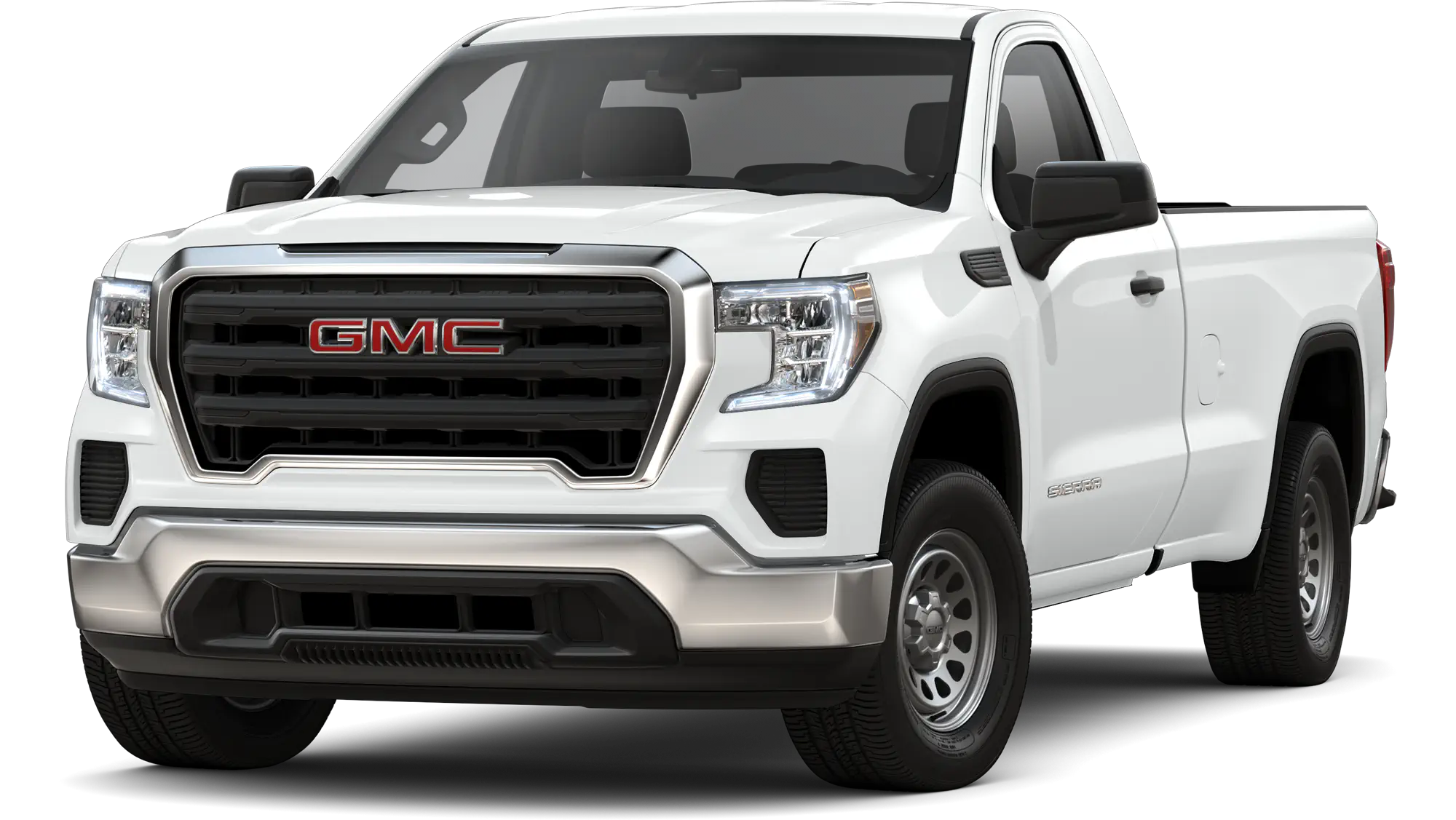
For everyday driving with occasional hauling, home projects, recreational towing, or property maintenance, the Sierra 1500 is generally the most practical starting point. Its lighter-duty platform is easier to maneuver and typically provides a more compliant ride than a Sierra 2500HD or 3500HD.
The Sierra HD becomes more compelling when weekend work involves consistently heavy trailers, substantial payloads, equipment hauling, or other jobs that begin approaching the practical limits of a half-ton truck. Buying for your most demanding regular task makes sense, but buying an HD solely because it offers bigger numbers may introduce compromises during everyday driving.
Cab and bed configuration matter as well. Crew Cab models provide excellent passenger space, while shorter-bed configurations can make parking and garage storage easier. Drivers regularly hauling bulky materials may find the additional bed space more valuable than maximum maneuverability.
Ride quality is one of the biggest differences between a pickup chosen primarily for commuting and one configured around maximum work capability. Suspension tuning, wheel and tire selection, payload equipment, and vehicle weight all influence how a Sierra behaves without cargo in the bed.
A Sierra 1500 tends to make the stronger everyday companion because half-ton suspension is designed to balance payload capability with passenger comfort. Heavy-duty models use components intended to support greater loads, which can produce a firmer unloaded ride.
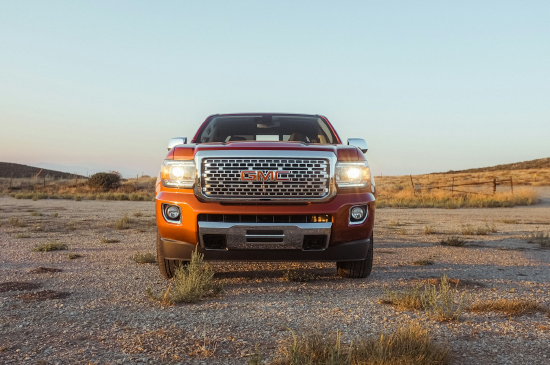
Trim level can also change the experience substantially. Sierra Elevation and SLT configurations can provide a useful middle ground between basic work-oriented equipment and the price of luxury-focused trims such as the Denali.
Drivers should pay attention to wheel size, too. Large wheels with lower-profile tires may look appealing, but a configuration with more tire sidewall can provide additional cushioning over broken pavement, expansion joints, and gravel roads.
Technology deserves consideration because daily commuters interact with it constantly. Adaptive driver-assistance equipment, cameras, parking aids, smartphone integration, and comfortable seating can matter more over five years of commuting than an extra measure of towing capability that rarely gets used.
Engine selection should reflect how the truck spends most of its time. Sierra 1500 buyers have historically had access to gasoline and diesel options depending on model year and configuration, including turbocharged four-cylinder, V8, and Duramax diesel powertrains.
A smaller turbocharged gasoline engine can make sense for owners who primarily commute and only occasionally tow or haul. It can deliver useful low-speed torque without requiring buyers to move into a heavier-duty truck.
V8-powered Sierra models remain attractive to drivers who want stronger acceleration, traditional full-size truck characteristics, and additional confidence when towing. Fuel consumption and potential long-term repair costs should be considered alongside performance.
The available 3.0-liter Duramax diesel is another compelling option for drivers who accumulate substantial highway mileage or tow regularly. Diesel ownership comes with its own maintenance requirements, emissions equipment, and operating considerations, so the powertrain should be selected because it fits the driver’s usage rather than simply because of its torque output.
| Sierra Configuration | Daily Driving | Weekend Work | Best Fit |
|---|---|---|---|
| Sierra 1500 Turbo Gas | Very Good | Light to Moderate | Commuting, home projects, occasional towing |
| Sierra 1500 V8 | Very Good | Moderate to Heavy | Mixed driving with regular towing |
| Sierra 1500 Duramax | Very Good | Moderate to Heavy | Highway mileage and frequent towing |
| Sierra 2500HD | Fair to Good | Heavy | Large trailers and substantial payloads |
| Sierra 3500HD | Fair | Very Heavy | Maximum-duty towing and hauling |
Actual capability varies substantially by model year, drivetrain, axle ratio, cab, bed, and equipment. Owners should always use the specific vehicle’s ratings rather than relying on general model-level figures.
Routine maintenance is only one part of Sierra ownership. Tires, brakes, suspension components, batteries, electronics, emissions equipment, four-wheel-drive hardware, transmissions, and engine components can become meaningful expenses as mileage increases.
A basic diagnostic visit may cost roughly $100 to $250 depending on the shop, location, and complexity of the complaint. Advanced electrical, drivability, diesel, or transmission diagnosis can cost more because additional testing time may be required.
Repair costs vary much more dramatically. A relatively minor sensor or electrical repair may cost a few hundred dollars, while major powertrain, diesel emissions, transmission, or electronically controlled component repairs can reach several thousand dollars.
Heavy-duty trucks can also carry higher consumable costs. Larger tires, heavier brake components, greater fluid capacities, and diesel-specific service requirements can make an HD more expensive to maintain even when nothing is mechanically wrong.
| Ownership Item | Approximate Cost Range |
|---|---|
| General Diagnostic Inspection | $100 to $250+ |
| Battery Replacement | $200 to $500+ |
| Brake Service | $400 to $1,200+ |
| Truck Tire Set | $800 to $2,000+ |
| Suspension or Steering Repair | $500 to $2,500+ |
| Major Powertrain Repair | $2,000 to $8,000+ |
These figures are broad estimates rather than quotes. Labor rates, parts prices, vehicle configuration, location, and the exact failure can significantly change the final bill.
Following the maintenance schedule is especially important when a Sierra alternates between easy commuting and demanding weekend use. Towing, hauling, dusty roads, frequent short trips, extreme temperatures, and extended idling can qualify as severe operating conditions depending on the vehicle and maintenance schedule.
Engine oil should be checked regularly rather than relying exclusively on the oil-life monitor. Trucks that tow frequently can place additional thermal stress on the engine, transmission, cooling system, and lubricants.
Tire pressure and condition also deserve attention. Correct inflation supports braking, handling, fuel economy, and load capacity, while uneven wear can indicate alignment or suspension concerns.
Before towing, confirm trailer weight, tongue or pin weight, payload, hitch ratings, and the truck’s specific capacity. Passengers, cargo, accessories, and equipment in the truck consume payload capacity, so advertised maximum towing figures should never be treated as universal ratings for every Sierra.
Owners should also address warning lights, unusual shifting, vibration, fluid leaks, abnormal noises, or changing braking behavior promptly. Early diagnosis can sometimes prevent a smaller problem from causing additional component damage.
A Technical Service Bulletin, commonly called a TSB, is information issued by a vehicle manufacturer to help technicians diagnose or repair known conditions, symptoms, or service procedures. A TSB is not automatically a recall, and its existence does not necessarily mean a repair will be performed at no cost.
Owners researching a particular Sierra model year can search for manufacturer communications and TSB information through the National Highway Traffic Safety Administration. Searching by the exact model year and vehicle configuration can provide useful context before purchasing a used truck or discussing an ongoing concern with a service department.
For most owners whose truck spends five days commuting for every two days working, a Sierra 1500 is likely to provide the more balanced ownership experience. It offers meaningful towing and hauling capability while remaining easier to park, more comfortable unloaded, and generally better suited to routine transportation.
An HD model starts making more sense when heavy work is genuinely part of the ownership pattern. Regularly towing a large equipment trailer, fifth-wheel camper, or other substantial load can justify the stronger frame, suspension, brakes, and available heavy-duty powertrains.
Safety margin matters, but excess capacity has a cost. Buying significantly more truck than necessary can mean a higher purchase price, increased fuel use, more expensive consumables, and a less forgiving ride.
Buyers should calculate their actual trailer and payload needs before visiting the dealership. That exercise often provides a clearer answer than choosing a model based on maximum advertised capability.
Sierra ownership does not automatically mean expensive repairs are inevitable. Modern full-size trucks are complex machines, though, and that complexity increases the number of systems that can potentially require service as the vehicle ages.
Long-term owners should pay particular attention to how they use the truck. Frequent towing, heavy payloads, short-trip operation, off-road driving, and high annual mileage can change maintenance needs and component wear.
Drivers planning to keep a Sierra well beyond its original warranty period should also consider their tolerance for unexpected repair bills. Setting aside a repair fund is one option. Extended coverage can be another, depending on the vehicle’s age, mileage, eligibility, coverage terms, deductible, and planned ownership period.
A Sierra purchased for both commuting and weekend work may accumulate mileage quickly, which can make post-warranty repair exposure an important part of the ownership calculation. Buyers who intend to keep their truck for several years may want to compare available protection with the cost of paying for eligible repairs themselves.
Granger Warranty provides extended vehicle coverage options with an emphasis on transparent pricing and a straightforward online purchasing process. Coverage details, eligibility, exclusions, deductibles, and terms should always be reviewed carefully before purchasing any vehicle service plan.
The most useful time to evaluate coverage is before a major repair appears. Comparing options while the truck is still eligible gives an owner the opportunity to decide whether predictable coverage costs make sense for their budget and ownership timeline.
Yes, particularly for someone who needs truck capability outside of the workweek. A properly configured Sierra 1500 combines a comfortable cabin, useful cargo capacity, towing capability, and everyday road manners without the additional size and stiffness associated with an HD truck.
The best engine depends on mileage and workload. Gasoline engines can make sense for mixed commuting and occasional work, while the available Duramax diesel can appeal to drivers covering significant highway mileage or towing frequently.
Not necessarily, but many drivers will not benefit from its additional capability during normal commuting. If heavy towing or payload requirements regularly exceed what a properly configured Sierra 1500 can comfortably handle, the HD’s compromises can be worthwhile.
Routine maintenance should be budgeted separately from unexpected repairs. Minor problems may cost a few hundred dollars, while significant transmission, engine, diesel emissions, electronic, or drivetrain repairs can potentially cost several thousand dollars.
Extended coverage can be worth evaluating if you plan to keep the truck beyond its original warranty and prefer more predictable repair expenses. Compare the contract’s covered components, exclusions, deductible, eligibility requirements, and total cost against your expected ownership period.
Choosing the right Sierra is less about buying the biggest truck and more about matching capability to real-world use. For many commuters who tow, haul, tackle home projects, or head out with recreational equipment on weekends, a well-configured Sierra 1500 offers the strongest balance.
Long-term ownership deserves the same level of planning. If you expect to keep your Sierra after its original warranty expires, visit Granger Warranty to review available coverage options, compare pricing, and determine whether extended protection fits your truck and ownership plans.
Stay up to date with the latest news from Granger Warranty