Best GMC Truck for Off-Roading: Sierra AT4 vs AT4X
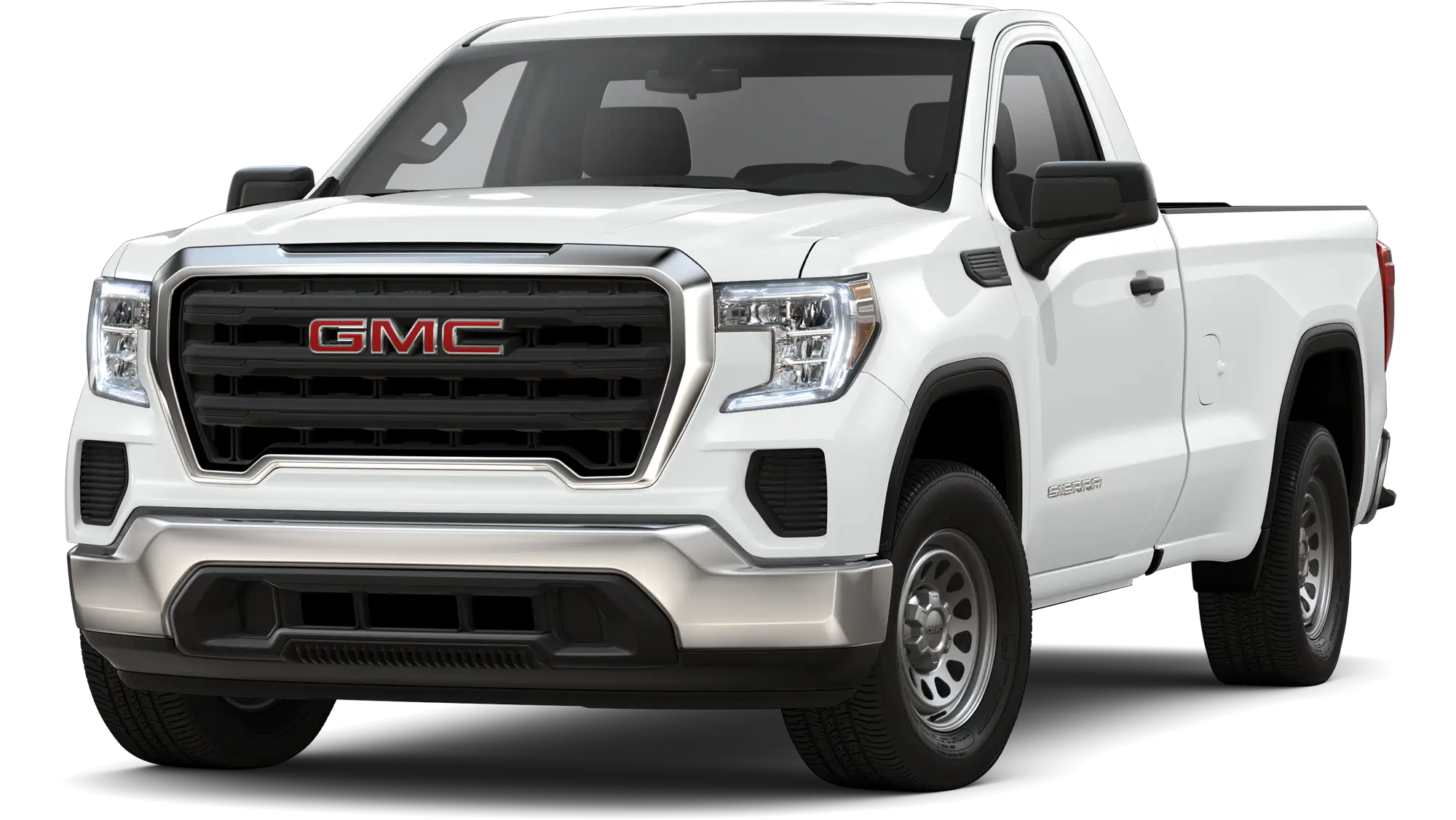
Choosing between GMC’s two off-road-focused Sierra trims comes down to a deceptively simple question: how far off pavement do you actually intend to go?
The GMC Sierra AT4 vs AT4X comparison is less about deciding which truck is objectively better and more about matching capability, comfort, price, and long-term ownership costs to the way you use your pickup.
Sierra AT4 offers a compelling blend of everyday drivability and legitimate trail capability. AT4X takes that formula considerably further with specialized suspension hardware, additional off-road equipment, and features aimed at drivers who regularly tackle more demanding terrain.
For many buyers, AT4 represents the sweet spot. For drivers who want maximum factory-equipped capability without immediately turning to aftermarket modifications, AT4X makes a stronger case.
Both trucks sit well above a conventional Sierra when the pavement ends. GMC designed the AT4 as an upscale off-road model that can handle dirt roads, snow, muddy job sites, camping trails, and moderately difficult terrain while remaining comfortable enough for commuting and highway trips.
AT4X is the more specialized choice. Its additional off-road hardware is intended to give the truck greater control and traction when conditions become difficult, particularly on uneven, rocky, or low-traction surfaces.
The distinction matters because more capability usually brings a higher purchase price and more sophisticated components to maintain. Buyers should consider not only what each truck can do, but whether they will regularly use the AT4X equipment.
| Comparison Area | Sierra AT4 | Sierra AT4X |
|---|---|---|
| Primary Focus | Daily driving plus off-road use | More demanding off-road driving |
| Suspension | Off-road-oriented setup | More specialized performance suspension |
| Trail Capability | Strong | Higher |
| Everyday Comfort | Very good | Very good, with a more specialized setup |
| Purchase Cost | Lower | Higher |
| Best For | Mixed-use owners | Serious off-road enthusiasts |
| Ownership Complexity | Moderate | Higher due to added specialty hardware |
Exact specifications can vary by model year, configuration, and option package, so shoppers should verify the equipment on the specific truck they are considering.
Suspension hardware is one of the biggest differences between these Sierra trims. AT4 already provides increased off-road capability compared with a conventional street-oriented Sierra, but AT4X adds more specialized damping technology designed to better control wheel movement across rough surfaces.
That difference becomes more meaningful as trail difficulty increases. Washboard roads, ruts, rocks, dips, and repeated impacts place very different demands on a suspension than ordinary pavement.
Traction equipment is another consideration. Depending on model year and configuration, AT4X incorporates hardware intended to help keep the truck moving when individual wheels have limited grip.
Those features can be valuable on loose rock, mud, steep terrain, or uneven surfaces where maintaining traction is difficult. A driver spending most of the truck’s life on highways may rarely encounter situations where the additional capability is necessary.
Tires also influence how these trucks behave. Aggressive off-road tires can improve traction on loose surfaces, but they may introduce additional road noise, faster tread wear, and different handling characteristics on pavement.
AT4 is particularly attractive for drivers who want one truck to handle nearly everything. It can serve as a commuter, tow vehicle, family pickup, winter vehicle, and weekend trail machine without being excessively specialized for any single role.
Someone traveling gravel roads to hunting property, pulling a camper to remote campsites, navigating snowy mountain roads, or regularly driving unimproved work sites may find AT4 more than capable.
AT4X becomes easier to justify when off-road capability itself is a major reason for buying the truck. Drivers who regularly encounter difficult trails can benefit from equipment designed specifically for those situations.
It may also appeal to buyers who would otherwise purchase an AT4 and immediately begin modifying its suspension or traction equipment. Getting the desired hardware as part of the original vehicle can create a more integrated package.
Off-road trucks experience stresses that ordinary highway-driven pickups may rarely encounter. Tires, suspension components, skid plates, wheel bearings, steering parts, underbody components, and alignment settings can all take additional punishment.
Diagnostic costs for a suspension, steering, driveline, or electronic issue can commonly reach roughly $150 to $250 or more, depending on the shop, location, and complexity of the problem. Specialized diagnostic work can cost more when technicians need significant time to isolate intermittent noises or electronically controlled faults.
Individual repairs vary dramatically. An alignment or minor suspension component might cost a few hundred dollars, while replacing specialized dampers, electronic modules, driveline components, or multiple damaged suspension parts can push a repair bill into the four-figure range.
| Potential Service | Approximate Cost Range |
|---|---|
| Diagnostic Inspection | $150-$250+ |
| Four-Wheel Alignment | $150-$300 |
| Off-Road Tire Replacement | $250-$500+ per tire |
| Wheel Bearing/Hub Repair | $400-$900+ |
| Suspension Component Repair | $300-$1,500+ |
| Major Suspension or Driveline Repair | $1,000-$3,000+ |
These are general estimates rather than quotes for a particular Sierra. Labor rates, model year, engine, drivetrain, parts requirements, and the extent of damage can substantially change the final invoice.
AT4X owners should pay particular attention to the cost of specialized components. Advanced off-road hardware can provide impressive performance, but replacing specialized equipment may cost more than servicing simpler components.
Preventive maintenance matters on either truck, especially if you actually use its off-road capability. Routine inspections can identify small problems before they become expensive repairs.
After demanding trail use, inspect tires for cuts, punctures, sidewall damage, and abnormal tread wear. Check underneath the truck for damaged skid plates, loose components, fluid leaks, or debris lodged near suspension and driveline parts.
Mud deserves special attention. Heavy buildup around wheels, brakes, suspension components, and the underbody can hide damage and contribute to corrosion if it remains in place.
Alignment should also be monitored. A hard impact with a rock, rut, or pothole can change alignment even when nothing appears visibly broken.
Fluid maintenance is equally important. Owners who tow, operate in extreme temperatures, drive through dust, or regularly use four-wheel drive under demanding conditions should follow the appropriate maintenance schedule in their owner’s manual.
Pay attention to unusual steering feel, vibration, clunks, rattles, warning lights, or changes in ride quality. Early diagnosis is usually preferable to continuing down the trail until a minor problem becomes a major failure.
Neither trim should automatically be considered problematic simply because it has off-road equipment. Added capability does mean there are additional expensive components that owners should understand before committing to long-term ownership.
AT4X makes the most financial sense when its specialized hardware provides genuine value to the owner. Paying extra for capability that is never used can be difficult to justify, particularly when the AT4 already offers substantial off-pavement ability.
AT4 may therefore be the smarter choice for the typical buyer who spends most of the week on pavement and occasionally explores trails. AT4X is better viewed as the enthusiast option for someone willing to pay for additional capability because difficult terrain is a meaningful part of the ownership experience.
Long-term risk also depends heavily on use. A carefully maintained AT4X driven primarily on roads could experience less wear than an AT4 repeatedly subjected to deep mud, rock impacts, water crossings, and harsh trail conditions.
A Technical Service Bulletin, commonly called a TSB, is information an automaker provides to dealerships and technicians about known symptoms, diagnostic procedures, updated parts, or recommended repair processes. A TSB is not automatically the same thing as a safety recall, and its existence does not necessarily mean a repair will be performed free of charge.
Owners researching a Sierra can look for manufacturer communications and other vehicle information through the National Highway Traffic Safety Administration. Enter the vehicle’s year, make, and model, or VIN when appropriate, to research available records rather than relying on isolated forum reports.
Checking this information can be particularly useful when shopping for a used AT4 or AT4X. Service records, inspection results, and documented maintenance history should still play a major role in evaluating an individual truck.
For most Sierra buyers interested in occasional off-road driving, AT4 is likely the better value. It provides meaningful off-road equipment while retaining the versatility expected from a premium full-size pickup.
AT4X is the stronger choice when trail capability ranks near the top of the purchasing criteria. Its more specialized hardware can make a noticeable difference when terrain becomes challenging enough to exploit it.
Think about the most difficult terrain you realistically expect to encounter rather than the most difficult trail you might drive someday. That distinction can prevent spending thousands of dollars on capability that rarely gets used.
| Owner Profile | Better Fit | Why |
|---|---|---|
| Daily commuter with weekend adventures | AT4 | Balanced capability and value |
| Camping and forest-road use | AT4 | Plenty of capability for many owners |
| Frequent difficult trail driving | AT4X | Specialized off-road hardware |
| Buyer planning suspension upgrades | AT4X | May reduce need for immediate modifications |
| Long-distance highway and occasional dirt | AT4 | Less need for extreme equipment |
| Off-road enthusiast prioritizing capability | AT4X | Maximum capability of the two |
There is also a practical middle ground. Buying an AT4 and keeping it close to stock can be an appealing long-term ownership strategy for drivers who want off-road capability without paying for equipment intended for more extreme use.
Modern trucks combine traditional mechanical systems with increasingly sophisticated electronics, driver-assistance technology, four-wheel-drive components, and complex powertrains. That combination can make an unexpected repair expensive once applicable original warranty coverage expires.
Granger Warranty provides extended vehicle protection options for owners who want to manage that financial exposure. Coverage details, eligibility, exclusions, deductibles, and term lengths vary, so owners should review the specific contract rather than assuming every component or type of failure is covered.
That is especially important for an off-road truck. Damage caused by impacts, abuse, modifications, or certain operating conditions may be treated differently from a covered mechanical breakdown.
Owners considering longer-term protection can review available plans and current information at Granger Warranty.
Yes, when comparing trucks with applicable off-road equipment, AT4X is positioned as the more specialized choice for difficult terrain. Its additional suspension and traction-focused hardware can provide advantages when trail conditions become challenging.
AT4 remains highly capable for the type of off-road driving many owners actually encounter, including dirt roads, snow, campsites, and moderate trails.
For many owners, yes. AT4 provides a useful compromise between trail capability and normal full-size-truck versatility.
Drivers who primarily commute, tow, travel, and occasionally venture off pavement may have little practical need for the AT4X’s additional capability.
It can. Specialized suspension components, aggressive tires, and additional off-road hardware can potentially increase replacement costs compared with simpler equipment.
Actual maintenance expenses depend more on driving conditions, mileage, maintenance habits, and component wear than the trim badge alone.
AT4 is likely the better fit if daily driving is the truck’s primary responsibility and serious trail use is occasional. It offers a strong balance between capability, comfort, and cost.
AT4X can still function as a daily driver, but its premium is easier to justify when the owner regularly benefits from its more specialized equipment.
Potentially, depending on the component, cause of failure, vehicle eligibility, and terms of the specific service contract. Covered mechanical breakdowns are different from collision damage, normal wear, neglected maintenance, modifications, or damage resulting from certain types of vehicle use.
Before purchasing coverage, review the contract carefully to understand covered components, exclusions, deductible requirements, and claim procedures.
Picking between AT4 and AT4X should start with where you drive. AT4 is the more broadly sensible choice for owners who want everyday usability with credible trail performance, while AT4X earns its higher level of specialization when challenging off-road driving is a regular part of the plan.
Either truck can also represent a substantial long-term investment. If you plan to keep your Sierra beyond its original warranty period, visit Granger Warranty to review available extended coverage options, compare terms, and decide whether additional protection fits your ownership plans.
Stay up to date with the latest news from Granger Warranty