Can You Transfer an Extended Warranty When You Sell Your Vehicle?
Selling a vehicle often raises an important question for owners who purchased extended protection. Can you transfer extended warranty coverage to the next owner, and does that help the sale?
Transferable warranty coverage can make a vehicle significantly more appealing to buyers. When protection continues after the sale, the new owner gains peace of mind, and the seller may benefit from stronger resale value.
Many extended warranty plans allow the coverage to be transferred to the next owner. This process typically requires a short form, proof of ownership transfer, and a small administrative fee.
Once completed, the transferable car warranty continues protecting covered components for the remaining time or mileage left on the contract. For private buyers, this added protection can reduce hesitation during the purchase decision.
Because modern vehicles contain expensive electronics, safety systems, and powertrain components, buyers often value vehicles that still include warranty protection.
A transferable car warranty can increase buyer confidence and potentially improve resale value. Buyers know that major mechanical failures could still be covered after the purchase.
Vehicles with remaining warranty coverage often sell faster because they reduce risk for the next owner. That peace of mind can be especially valuable for used vehicle shoppers.
For sellers, transferable protection can make their listing stand out in competitive markets.
| Benefit | Why It Matters To Buyers |
|---|---|
| Remaining warranty protection | Reduces financial risk after purchase |
| Covered repairs | Protection for expensive components |
| Nationwide repair acceptance | Service flexibility for the new owner |
| OEM repair standards | Helps maintain vehicle reliability |
Not every warranty plan works the same way. Transfer rules depend on the manufacturer or warranty administrator.
Typical requirements may include:
| Requirement | Typical Details |
|---|---|
| Transfer form | Submitted by the seller or buyer |
| Administrative fee | Usually $50 to $100 |
| Time limit | Often, within 30 days of sale |
| Vehicle eligibility | Warranty must still be active |
Reading the contract terms before selling a vehicle is important. Some warranties allow unlimited transfers, while others limit transfers to the first resale.
Factory-backed extended warranties commonly allow transfers because the coverage follows the vehicle rather than the original owner.
The cost to transfer extended warranty coverage is usually minimal compared with common vehicle repair expenses. Even one major repair can exceed several thousand dollars.
| Repair Type | Average Cost |
|---|---|
| Transmission replacement | $4,000 to $7,000 |
| Engine repair or replacement | $3,500 to $8,000+ |
| Infotainment system replacement | $1,200 to $3,000 |
| Air conditioning compressor | $900 to $1,800 |
| Advanced safety sensor calibration | $500 to $1,500 |
Because these repairs can occur after factory coverage expires, many used vehicle buyers appreciate transferable protection.
Keeping records of maintenance can help protect warranty coverage and reassure buyers during resale. Buyers often ask for service history when evaluating a used vehicle.
Recommended steps include:
| Maintenance Practice | Why It Matters |
|---|---|
| Follow factory maintenance schedule | Helps maintain warranty eligibility |
| Keep repair invoices | Confirms proper service history |
| Address warning lights quickly | Prevents larger failures |
| Perform regular inspections | Helps catch issues early |
Well-documented maintenance history paired with a transferable warranty often increases buyer confidence.
Technical Service Bulletins, commonly called TSBs, are repair instructions issued by vehicle manufacturers. A manufacturer’s TSB typically addresses known issues discovered after vehicles enter production.
A TSB does not automatically mean a repair is free. Instead, it gives technicians guidance for diagnosing and repairing specific problems using approved procedures.
Vehicle owners can find TSB reports through dealership service departments, manufacturer websites, automotive databases, or government safety resources such as the National Highway Traffic Safety Administration database.
Transfer restrictions are usually straightforward, but owners should still review their contract before selling the vehicle.
Most transferable warranties only require a simple paperwork process. However, missing the transfer deadline or failing to submit the required documentation can void the remaining protection.
Checking these rules ahead of time helps avoid surprises when finalizing the sale.
Vehicle owners exploring extended protection often compare factory-backed coverage with third-party service contracts. Factory-based coverage generally follows manufacturer repair procedures and uses genuine OEM parts.
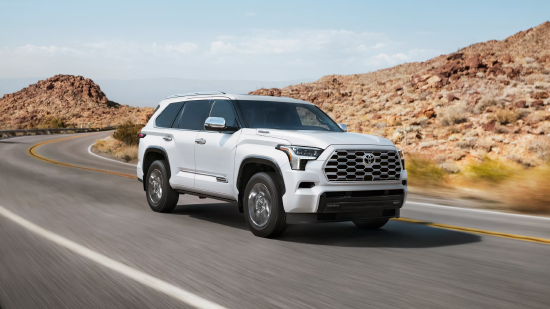
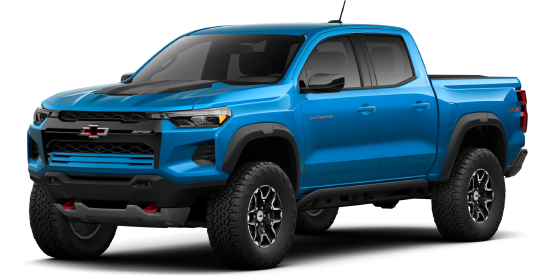
Granger Warranty provides factory-backed extended warranty options for brands such as Ford, Chevy, Toyota, and others. Coverage follows OEM repair standards and can often be transferred if the vehicle is sold before the contract expires.
This type of transferable protection can support resale value while helping the next owner maintain predictable repair costs.
Drivers can review coverage options and pricing directly at Granger Warranty.
Many extended warranty plans allow the coverage to transfer to the new owner. The process typically involves submitting a transfer form and paying a small administrative fee.
Yes. Buyers often pay more for vehicles that still include warranty coverage because it reduces the risk of unexpected repair expenses.
Most warranty providers require the transfer request to be submitted within a certain number of days after the vehicle sale. The exact timeframe varies by contract.
Some warranties allow unlimited transfers while others limit transfers to the first resale. The contract terms determine the specific rules.
Typical requirements include a transfer form, proof of vehicle sale, and payment of the transfer fee.
Transferable coverage can play a valuable role in vehicle ownership strategy. When a warranty follows the vehicle to the next owner, both buyer and seller benefit from reduced risk and improved resale confidence.
Drivers researching extended protection can compare factory-backed coverage options and pricing at Granger Warranty to see how transferable protection may support long-term ownership and resale value.
Stay up to date with the latest news from Granger Warranty