Car Brands With Lowest Maintenance Costs After 100K Miles
Some brands continue to deliver affordable upkeep, while others begin to require expensive repairs that catch owners off guard.
Owning a vehicle past 100,000 miles often reveals the true cost of long-term ownership.
Understanding which brands have the lowest maintenance car brands’ reputation can help drivers avoid costly surprises.
Vehicles that stay affordable after 100K miles typically share a few key traits. Simpler engine designs, proven transmissions, and widespread parts availability all contribute to lower repair costs.
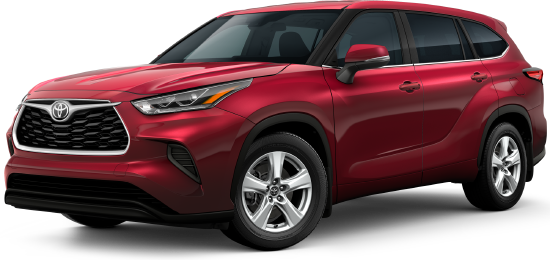
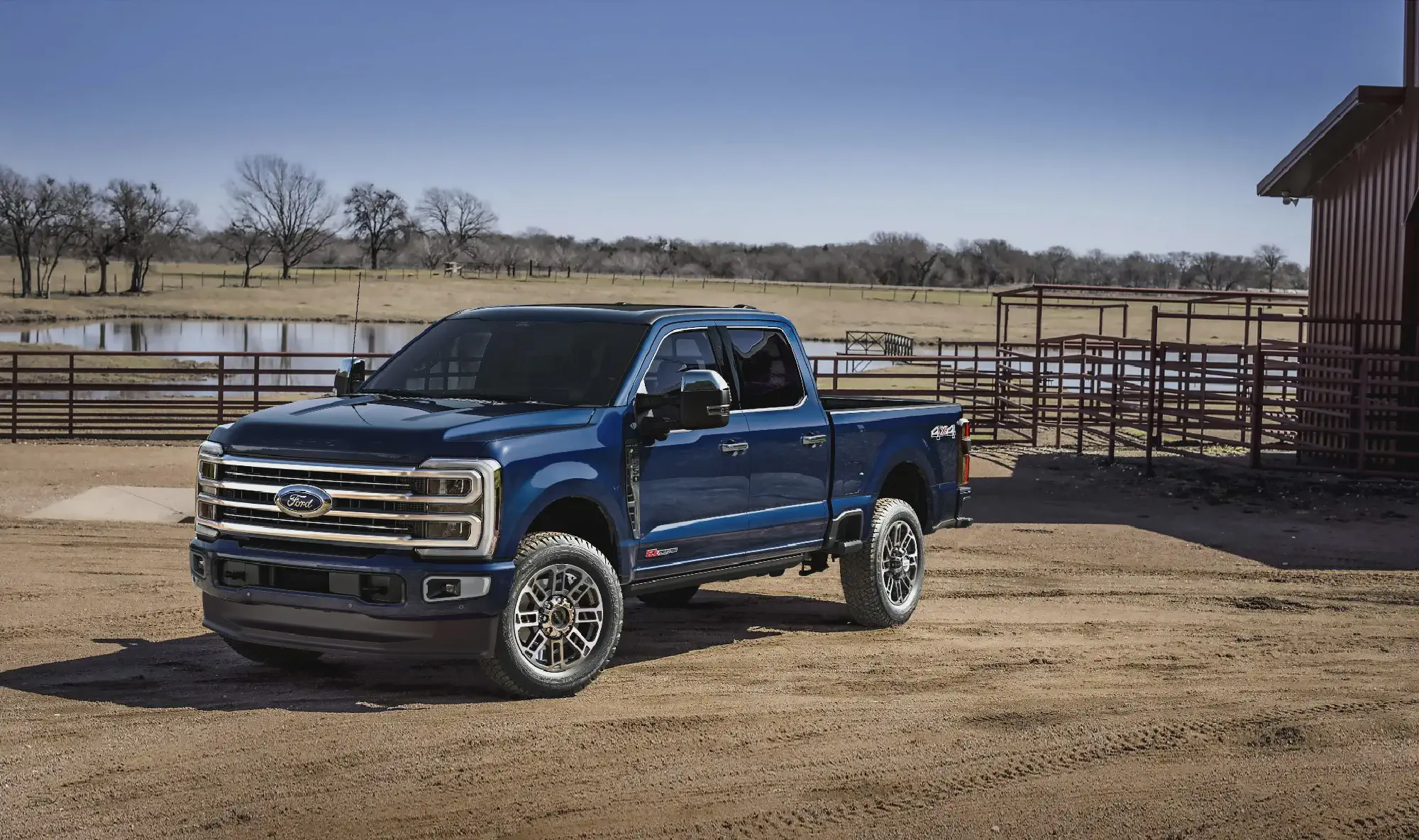
Brands like Toyota, Honda, and certain Ford models consistently rank among the lowest maintenance car brands. These vehicles tend to have fewer catastrophic failures and more predictable service intervals. That predictability plays a major role in keeping long-term ownership costs manageable.
Cheap repair cars are not always the newest or most advanced models. In many cases, older platforms with refined engineering end up costing less to maintain because technicians are familiar with them and parts are easy to source.
Once vehicles cross the 100,000-mile mark, wear and tear become more noticeable. Components like suspension systems, cooling systems, and transmissions begin to show signs of aging.
Luxury brands often see rising costs at this stage due to complex electronics and expensive parts. Turbocharged engines and advanced driver assistance systems can also increase repair risk.
By contrast, brands known for cheap repair cars often use naturally aspirated engines and simpler systems. This reduces the likelihood of high-cost failures such as turbocharger replacements or electronic module issues.
Maintenance costs vary significantly depending on the brand and model. Below is a general comparison of average repair expenses after 100K miles.
| Brand | Common Repairs After 100K Miles | Average Cost Range |
|---|---|---|
| Toyota | Water pump, suspension, brakes | $300 to $1,200 |
| Honda | Timing components, AC systems | $400 to $1,500 |
| Ford | Transmission service, sensors | $500 to $2,000 |
| BMW | Cooling system, electronics | $1,200 to $4,000 |
| Mercedes-Benz | Air suspension, sensors | $1,500 to $5,000 |
Lower maintenance car brands typically avoid major system failures, keeping repair bills in a manageable range. Higher-end brands may offer performance and luxury, but long-term ownership costs can increase significantly.
Preventative maintenance plays a critical role in controlling costs. Regular oil changes, fluid flushes, and inspections help extend the life of major components.
Owners should also address small issues early. Ignoring minor leaks or warning lights can lead to more expensive repairs later. Following the manufacturer’s recommended service schedule remains one of the most effective ways to reduce long-term expenses.
Using OEM parts instead of aftermarket alternatives can also improve reliability. OEM components are designed specifically for the vehicle, which helps maintain performance and reduces the risk of repeat repairs.
Reaching 100,000 miles is not necessarily a warning sign, but it does mark a shift in ownership costs. Vehicles that have been well maintained can continue to perform reliably, while neglected vehicles often become expensive to keep on the road.
Drivers should evaluate their vehicle’s repair history and overall condition. If major components such as the transmission or engine have not been serviced, future costs may increase.
Understanding your vehicle’s brand reputation is also important. Choosing one of the lowest maintenance car brands can significantly reduce long-term ownership stress.
A Technical Service Bulletin, or TSB, is a document issued by manufacturers to address known issues with specific vehicles. These bulletins provide repair procedures and guidance for technicians.
TSBs are not recalls, but they can help identify recurring problems and recommended fixes. Vehicle owners can find TSB information through the National Highway Traffic Safety Administration website or by asking a dealership service department.
Reviewing TSBs can give insight into potential future repairs and help owners make informed maintenance decisions.
Selecting a vehicle with a strong reliability record can significantly reduce financial stress over time. Cheap repair cars allow owners to budget more accurately and avoid unexpected expenses.
Long-term ownership is not just about the purchase price. Maintenance, repairs, and downtime all contribute to the total cost of owning a vehicle. Brands that prioritize durability and simplicity tend to offer the best value over time.
For drivers planning to keep their vehicles beyond 100K miles, choosing wisely at the start can make a substantial difference in overall ownership experience.
Toyota and Honda consistently rank among the lowest maintenance car brands due to their proven reliability and lower repair frequency. Certain Ford models also offer affordable upkeep when properly maintained.
Cheaply repaired cars are not necessarily less reliable. In many cases, they are more dependable because they use simpler designs and widely available parts.
Most drivers should expect to spend between $500 and $1,500 annually, depending on the vehicle. Luxury brands may exceed this range due to higher parts and labor costs.
Maintenance costs typically increase gradually rather than suddenly. Larger repairs become more likely, but consistent upkeep can help control expenses.
Extended warranties can help offset the cost of major repairs, especially for components like transmissions and electronics. Coverage can provide more predictable ownership costs.
Drivers looking to control repair costs after 100K miles often consider extended protection. Factory-grade plans help ensure repairs are completed using OEM parts and standardized procedures.
Granger Warranty offers transparent, nationwide coverage designed for long-term ownership. Plans are built around real-world repair risks and provide peace of mind as vehicles age.
Learn more about available options at Granger Warranty and see how extended coverage can support your ownership strategy.
For many owners, combining a reliable vehicle with the right protection plan creates a more predictable and less stressful driving experience.
Stay up to date with the latest news from Granger Warranty