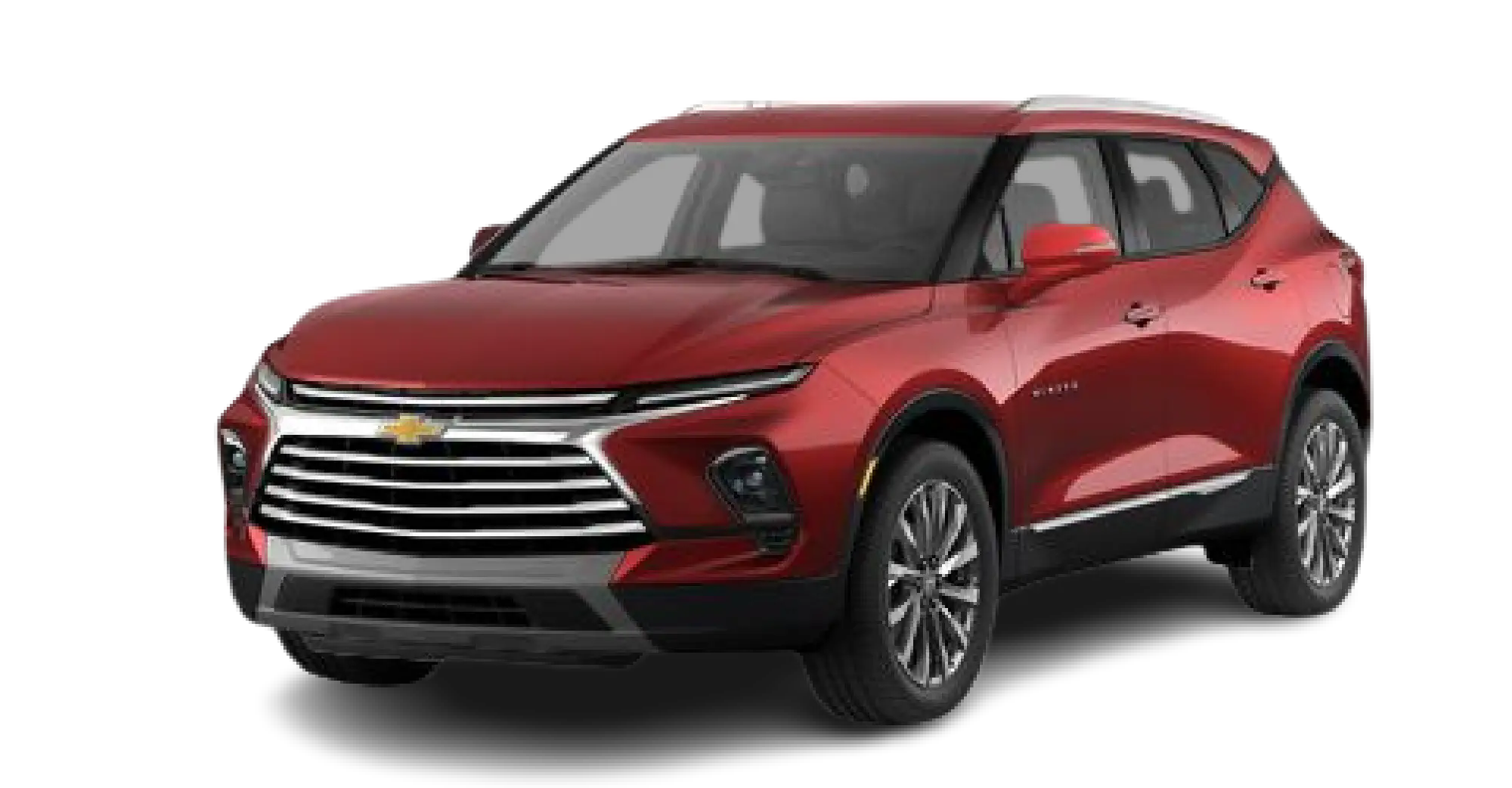
Chevy Blazer EV: What Warranty Coverage Actually Includes
Owning an electric SUV brings unique benefits, including lower maintenance requirements and instant electric performance.
Understanding the Chevy Blazer EV warranty is equally important because electric vehicles include specialized components like high-voltage batteries, drive units, and advanced electronics that differ from traditional gasoline-powered vehicles.
Chevrolet provides several warranty programs that protect different parts of the Blazer EV for varying lengths of time. Knowing what is covered, what is excluded, and when an extended warranty may make sense can help owners budget for long-term ownership and avoid unexpected repair costs.
The Chevy Blazer EV warranty consists of several separate coverage periods rather than one comprehensive warranty. Each protects specific vehicle systems.
| Warranty Coverage | Length |
|---|---|
| Bumper-to-Bumper Limited Warranty | 3 years or 36,000 miles |
| Powertrain Limited Warranty | 5 years or 60,000 miles |
| Electric Vehicle Battery Limited Warranty | 8 years or 100,000 miles |
| Corrosion Protection | 6 years or 100,000 miles |
| Roadside Assistance | 5 years or 60,000 miles |
The bumper-to-bumper warranty covers most factory-installed components that fail because of defects in materials or workmanship. Items that naturally wear over time, including brake pads, tires, and windshield wipers, are generally excluded unless a manufacturing defect is involved.
The powertrain warranty protects major mechanical components such as the drive unit and related systems. Since the Blazer EV does not have a conventional gasoline engine or transmission, coverage applies to its electric propulsion components.
Perhaps the most valuable part of the Chevy Blazer EV warranty is the high-voltage battery coverage. Chevrolet covers the battery pack for eight years or 100,000 miles, whichever comes first, helping protect owners against one of the most expensive potential repairs on an electric vehicle.
Electric vehicles require less routine maintenance than gasoline vehicles, but sophisticated technology still creates potential repair expenses.
Some common concerns reported across modern EVs include:
Many electronic issues occurring during the factory warranty period are covered if they result from manufacturing defects.
Wear items, accident damage, environmental damage, and maintenance-related issues remain the owner’s responsibility.
Once factory coverage expires, repair costs can increase significantly because of specialized EV components and diagnostic equipment.
| Repair | Estimated Cost |
|---|---|
| Diagnostic Scan | $150 to $250 |
| Infotainment Module Replacement | $900 to $2,200 |
| HVAC Compressor | $1,200 to $2,500 |
| Charging Port Repair | $600 to $1,500 |
| Suspension Repair | $500 to $2,000 |
| High-Voltage Battery Replacement | $10,000 to $20,000+ |
Fortunately, battery replacement remains uncommon, and most battery-related defects occurring during the warranty period are covered by Chevrolet’s battery warranty.
Proper maintenance helps maximize both vehicle longevity and warranty eligibility.
Owners should:
Keeping maintenance records also helps document proper ownership should warranty questions arise later.
Technical Service Bulletins (TSBs) are repair documents issued by manufacturers to help dealerships diagnose and correct known issues. Unlike recalls, TSBs do not automatically require free repairs unless the vehicle remains within its applicable warranty coverage.
Owners can search for TSB information through the National Highway Traffic Safety Administration (NHTSA) website, Chevrolet dealerships, or trusted automotive repair databases. Reviewing TSBs can help identify software updates or known concerns affecting specific model years before symptoms become more serious.
Many owners begin evaluating additional coverage as the original factory warranty approaches expiration.
Modern electric vehicles rely on dozens of electronic control modules, sophisticated sensors, cameras, and driver assistance technology. Repairs involving these systems often require dealership diagnostics and specialized technicians.
An extended vehicle protection plan can help reduce unexpected repair expenses after factory coverage expires, especially for owners planning to keep their Blazer EV well beyond five years.
Coverage options vary depending on mileage, vehicle age, and selected protection level.
Many owners mistakenly believe the battery warranty covers the entire vehicle.
The battery warranty specifically protects the high-voltage battery and certain related electric propulsion components. It does not replace bumper-to-bumper coverage.
For example:
| Component | Covered by Battery Warranty? |
|---|---|
| High-Voltage Battery | Yes |
| Electric Drive Components | Some components |
| Infotainment Screen | No |
| Suspension | No |
| Air Conditioning | No |
| Interior Electronics | No |
Understanding this distinction helps owners better plan for long-term ownership costs.
The bumper-to-bumper warranty covers most factory-installed components for three years or 36,000 miles, while separate warranties protect the powertrain, battery, corrosion, and roadside assistance for longer periods.
Yes. Chevrolet provides an eight-year or 100,000-mile limited warranty for the high-voltage battery, protecting against manufacturing defects and certain battery-related failures.
Most factory warranties remain transferable to subsequent owners during the original warranty period, adding value when selling a used Blazer EV.
Software updates related to warranty repairs or manufacturer-issued improvements are generally covered while the vehicle remains within the applicable warranty period.
Coverage depends on the specific protection plan selected. Many extended protection plans include electronic systems, drive components, and other major vehicle systems after the original factory warranty expires.
Understanding your Chevy Blazer EV warranty helps you prepare for both routine ownership and unexpected repairs. While Chevrolet provides comprehensive factory coverage, many electronic systems and mechanical components will eventually age beyond those original warranty periods.
If you plan to keep your Blazer EV for many years, exploring extended protection before factory coverage expires can provide valuable peace of mind. Granger Warranty offers transparent vehicle protection options for Chevrolet owners nationwide, helping drivers better manage long-term repair costs. Learn more about available coverage options at Granger Warranty.
Stay up to date with the latest news from Granger Warranty