Chevy Colorado/GMC Canyon 2.7L Turbo Engine Timing Chain and Oil Consumption Issues
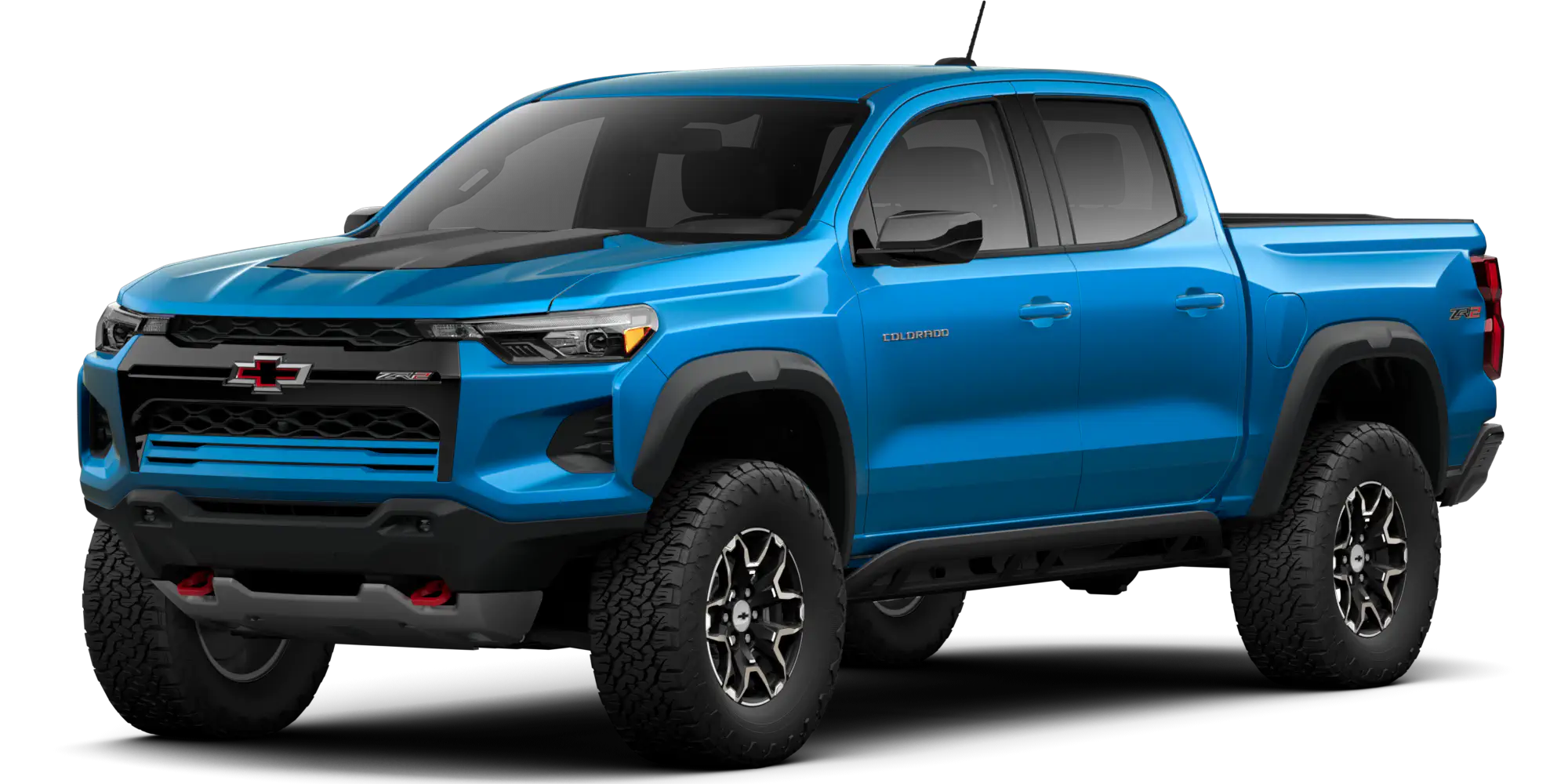
Chevy Colorado and GMC Canyon midsize trucks gained a major powertrain change with the latest generation: GM’s turbocharged 2.7-liter four-cylinder.
Compact dimensions, strong low-end torque, and impressive towing capability make this engine a convincing alternative to the naturally aspirated V6 engines that once dominated the segment.
As these trucks accumulate mileage, some owners are paying closer attention to Colorado Canyon 2.7 Turbo Problems, including engine noises, oil consumption, and concerns involving timing components. Owner reports do not mean every 2.7L engine will develop a serious problem, but unusual oil loss or persistent mechanical noise deserves investigation rather than guesswork.
GM uses versions of the 2.7L turbo engine across several truck applications. In the Colorado and Canyon, engine calibration and output can vary by model year and configuration, so owners should verify their exact engine and service specifications using the VIN and owner’s manual.
| Area Of Concern | Possible Symptoms | Recommended Response |
|---|---|---|
| Oil consumption | Falling dipstick level, frequent top-offs | Document oil level and mileage |
| Timing components | Startup rattle or persistent mechanical noise | Schedule professional diagnosis |
| Low oil level | Warning message, abnormal engine noise | Check oil immediately |
| Engine management | Check engine light, rough operation | Scan for diagnostic trouble codes |
| Internal engine problem | Knocking, metal contamination, severe oil loss | Avoid continued driving until inspected |
A timing chain synchronizes the crankshaft and camshafts so the engine’s valves operate at precisely the right time. Unlike a traditional timing belt with a predetermined replacement interval, a timing chain is generally designed for long service life and depends heavily on proper engine lubrication.
That lubrication requirement makes oil condition especially important. A turbocharged engine produces substantial heat and cylinder pressure, while modern variable-valve-timing systems depend on clean oil flowing at the correct pressure.
Timing-chain tensioners and related components can produce symptoms when they wear or lose proper oil-pressure control. A worn tensioner may allow excess chain slack, potentially creating a slapping or rattling sound at startup. Rough running, hesitation, stalling, or a check engine light can also accompany timing-related problems.
Not every tick or rattle from a 2.7L is automatically a failing timing chain. Turbocharged direct-injection engines contain high-pressure fuel equipment, variable-valve-timing hardware, and other components capable of producing noticeable mechanical sounds. Accurate diagnosis matters before an expensive engine teardown is authorized.
Oil consumption deserves separate attention because an engine can use oil without leaving a puddle underneath the truck. Oil may enter the combustion process or move through crankcase ventilation and turbocharger-related systems, making gradual consumption less obvious to the driver.
Anecdotal owner reports include Colorado and Canyon drivers describing measurable oil loss between changes, but those reports should not be interpreted as evidence that excessive consumption affects every 2.7L engine. GM’s owner’s information emphasizes the importance of maintaining the correct oil level and warns that operating an engine with insufficient oil can cause damage.
The practical concern is what happens if consumption goes unnoticed. Timing components, turbocharger bearings, camshaft systems, and other lubricated engine parts all depend on an adequate supply of clean oil.
Drivers should therefore treat the dipstick as an important diagnostic tool rather than relying exclusively on the oil-life monitor. The oil-life percentage estimates when the oil should be changed. It does not replace physically verifying that enough oil remains in the engine.
A sudden change in consumption is particularly important. If a truck previously required little or no oil between services and suddenly begins needing frequent top-offs, an inspection is appropriate.
Timing or lubrication trouble can present itself in several ways. A brief noise after startup needs to be evaluated differently from a persistent knock that grows louder as engine speed increases.
Common warning signs worth investigating include:
A worn timing-chain tensioner, for example, can create excess chain slack and startup noise. RepairPal also notes that timing-related tensioner trouble may be accompanied by rough running, hesitation, stalling, or a check-engine light.
Severe knocking, an oil-pressure warning, or evidence of metal in the engine oil should be taken more seriously. Continuing to drive an engine with inadequate lubrication can turn a repairable component problem into major internal engine damage.
Diagnosis should begin before parts are replaced. A technician may scan the engine computer for stored trouble codes, verify oil pressure, inspect oil level and condition, listen for the source of mechanical noise, and check for external leaks.
If oil consumption is the primary complaint, keeping records can be especially useful. Record the mileage and oil level after a service, then check the dipstick consistently under the conditions described in the owner’s manual.
Timing-chain work can become expensive largely because of labor. RepairPal’s July 2026 estimate for Chevrolet Colorado timing-chain tensioner replacement ranges from approximately $2,512 to $3,437, although vehicle year, location, labor rate, additional damage, and the exact components replaced can significantly change the bill.
| Service Or Repair | Approximate Cost Range | Notes |
|---|---|---|
| Basic engine diagnosis | $100 to $250+ | Varies by diagnostic time and shop |
| Oil-consumption diagnosis | $150 to $500+ | May require monitoring over time |
| Timing-chain tensioner repair | $2,500 to $3,500+ | Labor-intensive and may involve related parts |
| Major internal engine repair | $4,000 to $8,000+ | Highly dependent on damage |
| Complete engine replacement | $7,000 to $12,000+ | Can vary substantially by parts and labor |
These broader figures are planning estimates rather than guaranteed quotes. A complete engine assembly alone can represent several thousand dollars in parts before labor, fluids, programming, and related components are added. Current genuine-GM parts listings illustrate how quickly engine-replacement costs can escalate.
That distinction matters when comparing a minor oil-use complaint with an actual lubrication-related engine failure. Early diagnosis is usually far less expensive than waiting for a warning light, heavy knock, or loss of oil pressure.
Oil maintenance is one of the most important things an owner can control. Use the viscosity and specification required for your specific model year and engine rather than selecting oil based solely on brand preference.
GM’s published 2026 service information, for example, specifies Dexos1 5W-30 for the Colorado’s L3B 2.7L, while exact capacity can vary with oil-pan configuration. Owners should always follow the specifications for their particular truck and model year.
Check the dipstick periodically between changes, particularly before towing, long highway trips, off-road driving, or extended high-load operation. If the engine begins consuming oil, shorten the interval between checks so the level cannot quietly fall below the safe range.
Service records also matter. Keep receipts showing oil type, mileage, filter replacement, and any oil added between services. Documentation gives a technician useful evidence if consumption begins increasing.
Avoid ignoring new noises simply because the truck still runs normally. A short inspection today can be much cheaper than repairing internal engine damage later.
A Technical Service Bulletin, commonly called a TSB, is information an automaker provides to dealerships and technicians about known symptoms, diagnostic procedures, service updates, or repair methods. A TSB is not automatically a recall, and its existence does not necessarily mean every vehicle of that model has the condition.
Owners researching a Colorado or Canyon can search TSB information through the NHTSA vehicle database using the vehicle’s year, make, and model. Checking by VIN through manufacturer or dealer resources can provide additional vehicle-specific information about recalls, campaigns, and other applicable programs.
Owners should avoid assuming that an online description automatically applies to their truck. Model year, engine RPO, production date, calibration, and VIN can all affect whether a particular service procedure or campaign applies.
For most owners, reports involving oil consumption or timing components are a reason to pay attention, not necessarily a reason to panic. The 2.7L turbo is a sophisticated truck engine, and sophisticated engines can be expensive when a lubrication, timing, turbocharger, or electronic-control problem occurs outside warranty coverage.
Current reliability information does not establish timing-chain failure as an inevitable outcome for every Colorado or Canyon equipped with the 2.7L. Owner-reported data also includes a variety of concerns unrelated to the timing system, reinforcing the importance of diagnosing an individual truck rather than treating internet reports as a universal failure pattern.
A used-truck shopper should request maintenance records, inspect the oil level before purchase, listen carefully during a true cold start, and consider a professional pre-purchase inspection. Evidence of consistent maintenance is particularly valuable with a turbocharged engine.
Existing owners should establish a baseline. Know how much oil your truck uses, if any, and investigate meaningful changes.
Unexpected engine repairs become more financially significant as a Colorado or Canyon ages. Timing components, turbocharger hardware, electronics, fuel-system equipment, and internal engine parts can create four-figure repair bills even when the truck remains otherwise dependable.
An extended vehicle service contract can help reduce exposure to eligible covered repairs after applicable original warranty coverage ends. Coverage varies by plan, vehicle eligibility, mileage, exclusions, and contract terms, so owners should review the actual agreement before purchasing.
Granger Warranty offers extended coverage options with straightforward online pricing. For owners planning to keep a Colorado or Canyon well beyond the original warranty period, comparing available protection against the potential cost of major mechanical repairs can be a practical part of long-term ownership planning.
Timing-chain concerns are discussed by owners, but available information does not support treating timing-chain failure as something every 2.7L Colorado or Canyon will experience. Startup rattling, check-engine lights, rough operation, or timing-related diagnostic codes warrant professional inspection.
Some oil consumption can occur in internal-combustion engines, and owner reports show that some 2.7L trucks require oil between services. A rapidly falling level, a significant change from the truck’s normal consumption, visible smoke, or repeated low-oil warnings should be diagnosed rather than assumed to be normal.
Yes. Timing chains, guides, tensioners, camshaft systems, and other internal components depend on proper lubrication. Operating with insufficient oil can accelerate wear and potentially contribute to serious engine damage.
RepairPal currently estimates Chevrolet Colorado timing-chain tensioner replacement at roughly $2,512 to $3,437 on average, though the final bill can vary considerably. Additional timing components or internal damage can increase the total.
Potentially, depending on the specific contract, component, failure cause, eligibility requirements, and exclusions. Owners should verify whether timing components, internal engine parts, turbocharger components, diagnostics, and related labor are covered under the plan they are considering.
Strong torque and impressive capability make the 2.7L turbo Colorado and Canyon appealing midsize trucks, but long-term ownership still requires careful maintenance. Monitoring oil level, responding quickly to unusual engine noises, and keeping detailed service records can help identify developing problems before they become more expensive.
Drivers who plan to keep their truck beyond its original warranty period can also prepare for unpredictable repair costs ahead of time. Visit Granger Warranty to review available extended coverage options, eligibility, and pricing for your Chevrolet Colorado or GMC Canyon.
Stay up to date with the latest news from Granger Warranty