Chevy Colorado vs Ford Ranger Reliability: Midsize Truck Comparison
Drivers often compare Ranger vs Colorado durability because midsize trucks are frequently used for work, recreation, and commuting. Understanding typical problems, repair costs, and maintenance expectations helps buyers determine which truck offers the best small truck longevity.
Chevy Colorado vs Ford Ranger reliability is one of the most common questions for buyers considering a midsize pickup.
Both trucks are designed for durability, towing capability, and daily usability, yet long term ownership experience can vary depending on maintenance, engine choice, and driving conditions.
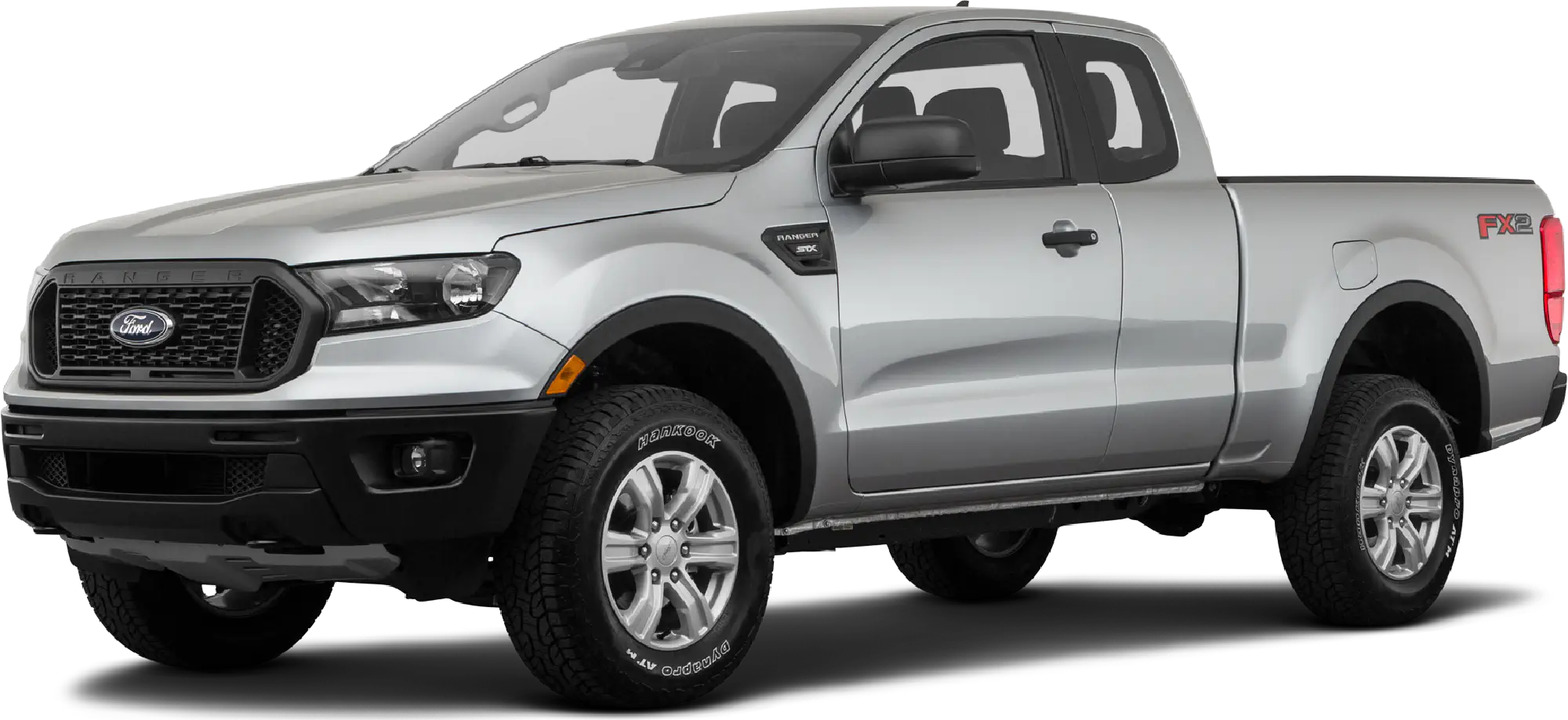
Chevy Colorado and Ford Ranger compete directly in the midsize truck reliability comparison category. Both trucks are engineered for durability and have reputations for strong capability in off road and work environments.
Colorado has been available with several powertrains including a four cylinder engine, a V6, and a diesel option in previous generations. The diesel variant is often praised for torque and long term durability when maintained properly.
Ford Ranger returned to the U.S. market with a turbocharged EcoBoost four cylinder engine paired with a 10 speed automatic transmission. That powertrain delivers strong performance and good towing capability, but turbocharged engines add complexity that can influence long term maintenance.
Overall reliability ratings for both trucks are generally competitive. Owner satisfaction and long term durability tend to depend on maintenance habits and driving conditions rather than fundamental design flaws.
No vehicle is completely free of issues, and both trucks have a few known concerns that can influence Chevy Colorado vs Ford Ranger reliability.
Some Colorado owners have reported transmission shudder in certain model years equipped with the eight speed automatic transmission. This issue is often linked to fluid characteristics and may require a fluid flush or software update to correct.
Ford Ranger models have occasionally experienced concerns related to the 10 speed transmission shifting behavior. In many cases, software updates or recalibration from the dealership can resolve these complaints.
Turbocharged engines such as the Ranger EcoBoost can also introduce additional maintenance considerations. Components like turbochargers, intercoolers, and high pressure fuel systems add complexity compared with naturally aspirated engines.
These issues do not necessarily indicate poor reliability. Instead, they highlight areas owners should monitor as vehicles accumulate mileage.
Technical Service Bulletins, commonly called TSBs, are one way manufacturers address known issues. A TSB is a communication from the automaker to dealerships that outlines known problems and recommended repair procedures. Drivers can often find TSB reports through the National Highway Traffic Safety Administration database or dealership service departments.
Repair costs play a major role in any midsize truck reliability comparison. While both trucks are generally durable, some repairs can become expensive after factory warranty coverage expires.
Typical repair cost ranges for midsize trucks include:
| Repair Type | Estimated Cost Range |
|---|---|
| Transmission repair or replacement | $3,500 to $6,500 |
| Turbocharger replacement | $1,500 to $3,000 |
| Fuel system repairs | $800 to $2,000 |
| Suspension component replacement | $500 to $1,500 |
These figures vary depending on location, labor rates, and model year. Trucks used for towing or heavy work may experience higher wear on drivetrain components.
Long term ownership planning should consider the possibility of higher repair costs after 60,000 to 100,000 miles. That timeframe often coincides with the expiration of factory warranties.
Preventive maintenance plays a major role in small truck longevity regardless of brand. Owners who follow recommended service schedules often experience fewer mechanical issues over time.
Key maintenance steps include:
| Maintenance Item | Recommended Interval |
|---|---|
| Engine oil changes | Every 5,000 to 7,500 miles |
| Transmission fluid service | 50,000 to 70,000 miles |
| Cooling system service | Around 100,000 miles |
| Differential fluid replacement | 60,000 miles |
Regular inspections are equally important. Checking suspension components, drivetrain seals, and turbocharger plumbing can help identify problems before they become major repairs.
Drivers who tow frequently or drive in extreme climates may need to service their trucks more often than standard maintenance schedules recommend.
Most reliability concerns associated with these trucks are manageable and do not necessarily indicate widespread design failures. Both vehicles are built on proven truck platforms designed for demanding conditions.
Many owners report well over 150,000 miles of service with proper maintenance. Real world durability often depends more on driving habits and service history than on brand choice alone.
Buyers should pay close attention to maintenance records when purchasing a used truck. Vehicles with consistent oil changes, transmission service, and documented repairs generally offer better long term reliability.
Extended coverage can also provide financial protection against unexpected repairs as trucks accumulate mileage.
Rising repair costs and increasing vehicle complexity have changed how many owners approach long term truck ownership. Modern trucks include advanced electronics, turbocharged engines, and sophisticated transmissions that can be expensive to repair.
Factory backed extended warranty coverage can help stabilize ownership costs once factory coverage ends. Plans administered through providers such as Granger Warranty help ensure repairs follow OEM repair procedures and use genuine parts.
Vehicle owners interested in learning more about coverage options can explore plans and pricing directly at Granger Warranty .
Reliability ratings for both trucks are generally similar. Colorado offers multiple engine options including a diesel in earlier generations, while Ranger relies on a turbocharged engine. Maintenance history and driving conditions usually have a greater impact on reliability than brand differences.
Both trucks can exceed 150,000 miles with proper maintenance. Regular oil changes, transmission service, and cooling system maintenance are essential for maximizing long term durability.
Repair costs vary depending on the component involved. Major repairs such as transmission replacement or turbocharger failure can cost several thousand dollars, which is why many owners plan for long term protection after factory warranty expiration.
Certain model years experienced reports of transmission shudder related to fluid characteristics. Many vehicles were corrected with updated transmission fluid and dealership service procedures.
Turbocharged engines can be very reliable when maintained properly. However, they include additional components such as turbochargers and intercoolers that may increase repair complexity over time.
Chevy Colorado vs Ford Ranger reliability comparisons often show that both trucks can deliver strong long term durability. Mechanical complexity and rising repair costs, however, make planning for long term ownership more important than ever.
Drivers researching protection options can review factory backed extended warranty plans and transparent pricing at Granger Warranty to better understand how coverage may help reduce unexpected repair expenses.
Stay up to date with the latest news from Granger Warranty