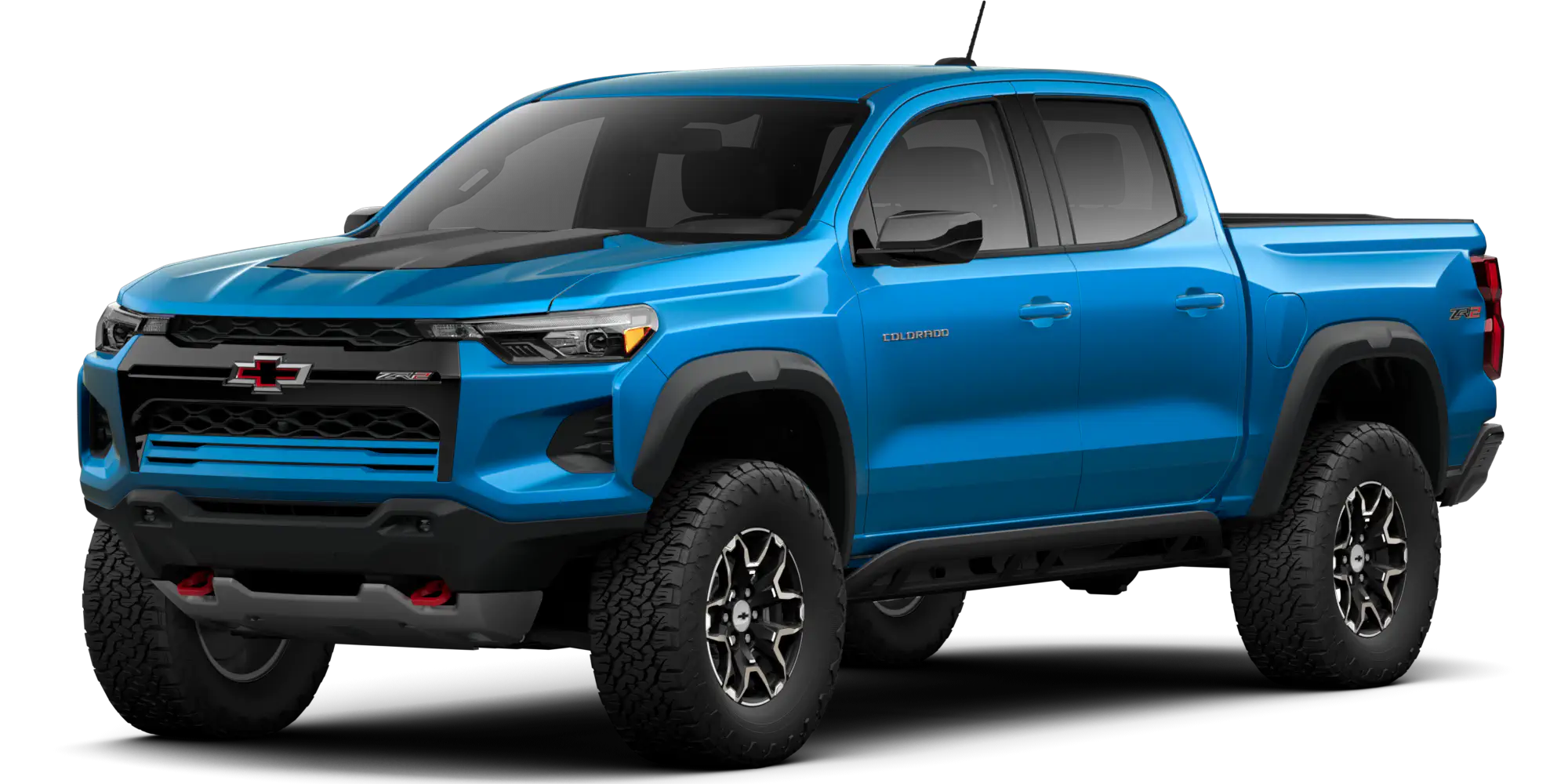
Chevy Colorado vs Nissan Frontier Engine Reliability
Colorado vs Frontier engine reliability is a common comparison for midsize truck buyers focused on long-term ownership.
Both trucks have strong reputations, but their engine designs, transmission behavior, and maintenance demands can lead to very different ownership experiences over time.
Understanding how these trucks perform past 60,000 miles helps buyers avoid unexpected repair costs and plan ahead.
Chevy Colorado and Nissan Frontier approach engine durability differently. Colorado models often feature turbocharged four-cylinder engines or older V6 options, while Frontier has leaned heavily on naturally aspirated V6 engines known for simplicity.
Turbocharged engines can deliver strong performance and efficiency, but they introduce added complexity, such as higher heat and additional components like turbos and intercoolers. Frontier’s simpler engine design often translates to fewer long-term failure points.
From a reliability standpoint, Frontier tends to have fewer catastrophic engine issues, while Colorado offers better performance but may require closer maintenance attention.
Colorado owners commonly report issues related to turbo systems, fuel injectors, and occasional cylinder head concerns. Some earlier models also experienced rough shifting tied to transmission calibration problems.
Frontier models are generally more consistent, but they are not without faults. Reports include timing chain noise on older models and occasional oil consumption in higher mileage vehicles.
Transmission issues midsize truck owners mention include:
| Issue Type | Chevy Colorado | Nissan Frontier |
|---|---|---|
| Rough Shifting | Common in certain model years | Less frequent |
| Transmission Shudder | Reported in some automatics | Rare |
| Long Term Durability | Moderate | Strong |
While neither truck is immune to transmission concerns, Frontier typically has fewer complaints tied to drivability issues.
Repair costs vary widely depending on mileage and maintenance history. Turbocharged engines in the Colorado can be more expensive to repair due to added components.
| Repair Type | Average Cost |
|---|---|
| Turbo Replacement (Colorado) | $1,500 to $3,500 |
| Fuel Injector Replacement | $800 to $1,500 |
| Timing Chain Repair (Frontier) | $1,200 to $2,500 |
| Transmission Repair | $2,500 to $5,000 |
Diagnostic costs alone can range from $150 to $300, depending on the issue.
These numbers highlight why engine durability and transmission reliability matter beyond the warranty period.
Consistent maintenance plays a major role in engine durability for both trucks. Turbocharged engines especially require strict oil change intervals to prevent buildup and overheating.
Key maintenance practices include:
Owners who follow maintenance schedules closely often see significantly fewer major repairs.
Both trucks can reach high mileage with proper care, but risk profiles differ.
Colorado offers modern performance and efficiency, but carries slightly higher long-term repair risk due to complexity. Frontier trades some refinement for durability, often appealing to buyers who prioritize simplicity.
Buyers planning to keep their truck beyond 100,000 miles should factor in potential repair exposure. Even reliable engines can require costly repairs as components age.
Technical Service Bulletins, often called TSBs, are manufacturer-issued notices that identify known issues and recommended fixes. They are not recalls, but they provide valuable insight into recurring problems.
Owners can find TSB reports through the National Highway Traffic Safety Administration website or dealership service departments.
Reviewing TSBs for Colorado vs Frontier engine reliability helps identify patterns such as transmission calibration updates or engine component concerns before purchasing.
When comparing engine durability, Frontier generally benefits from a simpler design with fewer forced induction components. This often results in fewer high-cost repairs over time.
Colorado engines can still be reliable, but they require more attentive maintenance and may have higher repair costs if issues arise.
| Factor | Chevy Colorado | Nissan Frontier |
|---|---|---|
| Engine Complexity | Higher | Lower |
| Performance | Higher | Moderate |
| Long Term Durability | Moderate | Strong |
| Maintenance Sensitivity | High | Moderate |
Choosing between the two often comes down to whether performance or simplicity is the priority.
Colorado engines can be reliable when properly maintained, but turbocharged setups may require more upkeep. Owners who follow strict service intervals typically see better outcomes.
Frontier is often considered more durable due to its simpler engine design. Fewer components generally mean fewer failure points over time.
Transmission issues midsize truck owners report are not uncommon. Colorado tends to have more complaints related to shifting behavior, while Frontier is generally more consistent.
Frontier is typically favored for high-mileage use due to durability. Colorado can still perform well, but it may involve higher repair costs as mileage increases.
Oil changes, cooling system care, and transmission servicing are critical. Staying ahead of maintenance is one of the best ways to extend engine life.
As trucks age, repair costs become less predictable. Engine and transmission repairs can quickly exceed several thousand dollars, especially after factory coverage expires.
Nationwide dealer-honored protection coverage helps reduce this uncertainty by ensuring repairs follow OEM standards using approved parts and procedures.
Providers like Granger Warranty offer transparent, nationwide coverage designed to protect against these high-cost repairs. Plans are structured to maintain consistency in how repairs are handled, which can be especially valuable for complex modern engines.
Drivers comparing Colorado vs Frontier engine reliability often consider extended coverage as part of their long-term ownership strategy.
Choosing between the Chevy Colorado and Nissan Frontier comes down to priorities. Colorado delivers performance and modern engineering, while Frontier emphasizes durability and simplicity.
Both trucks carry potential repair risks as they age. Understanding those risks allows owners to make informed decisions about maintenance and protection.
For drivers looking to reduce financial uncertainty, exploring coverage options through Granger Warranty can be a practical next step. Learn more at Granger Warranty and compare plans designed for long-term truck ownership.
Stay up to date with the latest news from Granger Warranty