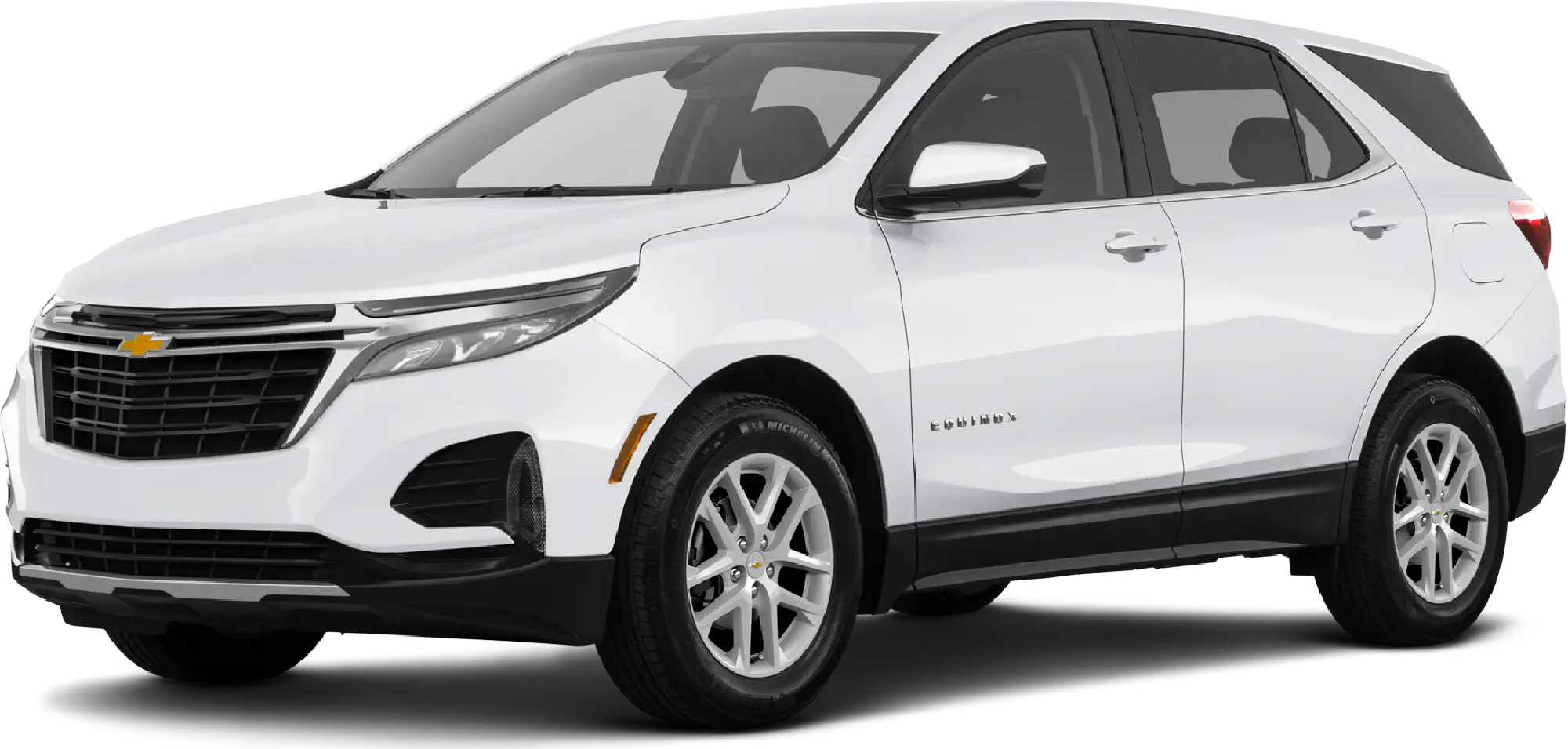
Chevy Equinox vs Honda CR-V Common Problems
Chevy Equinox vs CR-V problems are a common concern for SUV buyers trying to balance reliability, long-term ownership costs, and everyday usability.
Both models are among the most popular compact SUVs on the road, but each has its own set of known issues that can impact the ownership experience over time.
Understanding these SUV reliability issues early can help you plan for maintenance, avoid surprises, and make smarter decisions about protection and repair costs.
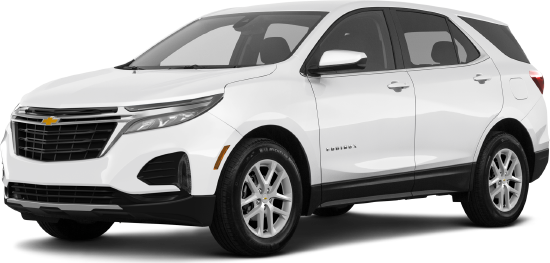
Chevrolet Equinox and Honda CR-V models have strong reputations overall, but they approach reliability differently. The CR-V is often praised for consistency and longevity, while the Equinox offers competitive pricing and features but has experienced more variability depending on model year.
Equinox vs CR-V problems typically show up in areas like engine performance, transmission behavior, and electrical systems. These issues are not guaranteed, but they are common enough to be worth understanding before ownership or as mileage increases.
Several Equinox model years, particularly those with smaller turbocharged engines, have reported excessive oil consumption. This can lead to low oil levels between service intervals and, in some cases, engine damage if not monitored closely.
Transmission hesitation and rough shifting have also been noted, especially in earlier model years. While not always catastrophic, these issues can affect drivability and lead to long-term wear.
Electrical concerns, including sensor failures and infotainment glitches, are another area where Equinox owners may experience inconvenience.
Honda CR-V models are generally known for reliability, but they are not without flaws. One commonly discussed issue is fuel dilution in turbocharged engines, where gasoline mixes with engine oil.
This can reduce lubrication effectiveness over time if not addressed. Honda has issued updates and software fixes for many affected models.
Other CR-V problems include air conditioning system failures, particularly compressor issues, and occasional concerns with CVT transmission responsiveness.
Repair costs vary widely depending on the issue and severity, but some general ranges can help set expectations.
| Repair Type | Chevy Equinox Cost | Honda CR-V Cost |
|---|---|---|
| Engine Repair | $2,500 to $6,000+ | $2,000 to $5,500+ |
| Transmission Repair | $3,000 to $5,000 | $3,000 to $4,500 |
| AC System Repair | $800 to $1,800 | $900 to $2,000 |
| Electrical Diagnostics | $150 to $400 | $150 to $400 |
Even smaller repairs can add up over time, especially as vehicles pass 60,000 to 100,000 miles. These SUV reliability issues often become more noticeable as components age.
Preventative maintenance plays a major role in reducing long-term repair costs. Staying ahead of known problem areas can significantly extend vehicle life.
For Equinox owners, regularly checking oil levels between changes is critical. Addressing software updates and transmission service intervals can also help reduce issues.
CR-V owners should monitor oil condition closely, especially in turbocharged models, and ensure any manufacturer updates related to fuel dilution are completed.
Routine maintenance, such as fluid changes, brake inspections, and cooling system checks, remains essential for both vehicles.
Most Equinox and CR-V owners will not experience severe failures, but awareness is key. These SUVs are capable of long service lives when properly maintained.
However, modern vehicles are increasingly complex. When problems do occur, repair costs can be high, especially for engine and transmission components.
For owners planning to keep their SUV beyond the factory warranty period, understanding potential risk exposure becomes an important part of ownership.
A Technical Service Bulletin, or TSB, is a document issued by a manufacturer that outlines known issues and recommended repair procedures for specific vehicles.
TSBs are not recalls, but they provide valuable insight into common problems and how manufacturers address them. They can often help diagnose issues more quickly.
You can find TSB reports through the National Highway Traffic Safety Administration website or by asking a dealership service department.
As vehicles age, the likelihood of encountering repair costs increases. Factory warranties typically expire around 3 years or 36,000 miles, leaving owners responsible for most repairs afterward.
This is where extended coverage can play a role in stabilizing ownership costs. Plans that follow OEM repair standards help ensure that repairs are completed using the same parts and procedures as the original factory build.
Providers like Granger Warranty offer factory-aligned extended coverage designed to align with OEM repair practices. You can explore options directly at Granger Warranty to better understand available plans and pricing.
Equinox issues often include oil consumption and transmission concerns, while CR-V problems more commonly involve fuel dilution and AC system failures. Both vehicles may experience electrical issues over time.
Repair costs are generally similar, but the Equinox may see more variability depending on model year. CR-V repairs tend to be more predictable but can still be expensive for major components.
Most issues are manageable if addressed early. However, ignoring symptoms like low oil levels or transmission hesitation can lead to more serious and costly repairs.
Following the recommended maintenance schedule, addressing TSB-related updates, and monitoring known problem areas can significantly reduce long-term repair expenses.
For owners planning long-term ownership, extended coverage can help offset the cost of major repairs and provide more predictable expenses.
Equinox vs CR-V problems highlight an important reality of modern SUV ownership. Even well-regarded models can develop issues as mileage increases.
Understanding common SUV reliability issues and planning for potential repair costs allows you to take control of your ownership experience rather than reacting to unexpected breakdowns.
If you are approaching the end of your factory warranty or want to protect against rising repair costs, reviewing factory-aligned coverage options can be a practical next step. Learn more about plans and pricing at Granger Warranty and explore how OEM-based protection can help provide long-term peace of mind.
Stay up to date with the latest news from Granger Warranty