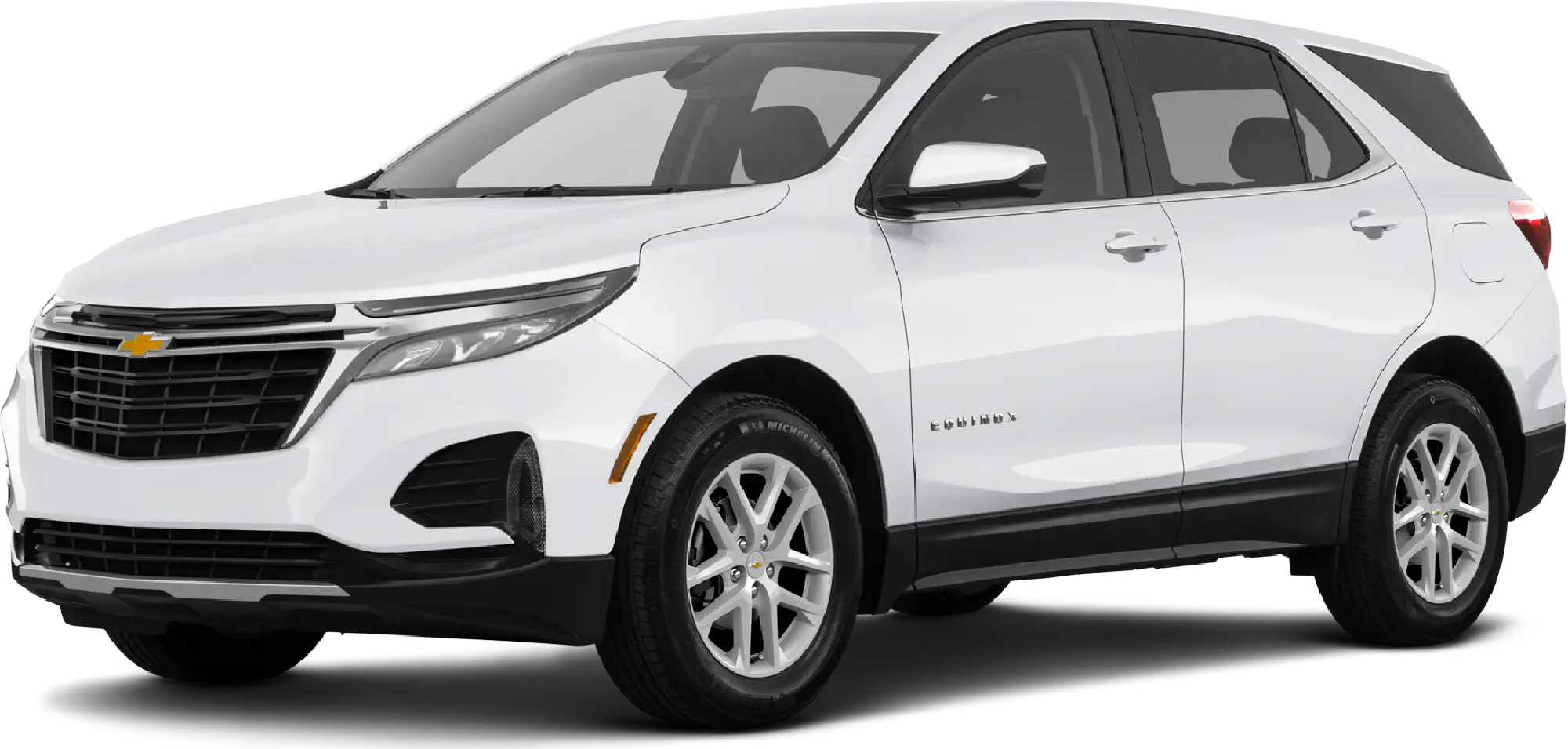
Chevy Equinox vs Toyota RAV4 Reliability Comparison
When comparing Equinox vs RAV4 reliability, buyers are often trying to understand which vehicle will hold up better past 100,000 miles and beyond.
Compact SUVs dominate the market because they balance practicality, efficiency, and long-term ownership costs.
Both models have strong reputations, but their long-term reliability, repair frequency, and cost patterns differ in important ways.
Chevy Equinox and Toyota RAV4 appeal to similar drivers, but their reliability trends reflect different engineering philosophies.
Toyota has historically prioritized durability and conservative design. This often results in fewer major failures over time. Chevy has improved significantly in recent years, but earlier Equinox models had more variability in engine and transmission reliability.
In terms of compact SUV durability, the RAV4 typically shows fewer high-cost repairs after 80,000 miles. The Equinox can still be dependable, but it may require more frequent component replacements as mileage increases.
Equinox models, especially from earlier generations, are known for a few recurring issues that can impact long-term reliability.
Oil consumption problems have been widely reported in certain 2.4L engines. This can lead to premature engine wear if not monitored closely. Timing chain wear is another concern tied to oil maintenance habits.
Transmission hesitation or rough shifting may also appear as mileage increases. While not always catastrophic, these issues can lead to costly repairs if ignored.
Diagnosis for engine-related issues typically ranges from $150 to $300. Major repairs such as timing chain replacement can range from $1,500 to $3,000, depending on severity.
RAV4 models are generally known for strong long-term reliability, but they are not immune to issues.
Some drivers report water pump failures and occasional transmission concerns in higher mileage vehicles. Hybrid models can introduce additional complexity, though they are often very durable when maintained properly.
Compared to the Equinox, the RAV4 tends to have fewer engine-related failures. Most repairs are preventative or wear-and-tear related rather than systemic.
Typical repair costs for common RAV4 issues range from $300 to $1,200, depending on the component and labor.
Understanding Equinox vs RAV4 reliability requires looking at how costs change over time.
| Mileage Range | Chevy Equinox Average Annual Repairs | Toyota RAV4 Average Annual Repairs |
|---|---|---|
| 0 to 60K | Low maintenance, warranty coverage | Low maintenance, warranty coverage |
| 60K to 100K | Moderate repairs begin | Minimal repairs typically |
| 100K+ | Higher risk of engine and transmission repairs | Steady maintenance, fewer major failures |
As vehicles age, the gap in long-term reliability becomes more noticeable. The RAV4 generally maintains a lower repair frequency, while the Equinox may require more investment to keep running smoothly.
Regardless of which vehicle you choose, maintenance plays a major role in long-term reliability.
Regular oil changes are critical for both vehicles, especially the Equinox, due to its sensitivity to oil condition. Transmission fluid service is often overlooked, but can significantly extend lifespan.
Cooling system maintenance, including water pump and coolant checks, helps prevent overheating and engine damage. Staying ahead of these services reduces the likelihood of major repairs.
Technical Service Bulletins, often called TSBs, are manufacturer-issued documents that address known issues and recommended fixes. They are not recalls, but they provide valuable insight into common problems.
Owners can find TSB reports through the NHTSA website or manufacturer service portals. Reviewing TSBs for the Equinox and RAV4 can help identify recurring issues and guide preventative maintenance decisions.
For most drivers, both vehicles can provide reliable transportation with proper care. The difference comes down to risk tolerance and ownership goals.
The RAV4 is typically the safer choice for long-term reliability with fewer unexpected repairs. The Equinox may offer lower upfront pricing, but could require more attention as it ages.
Drivers planning to keep their vehicle well past 100,000 miles should factor in the potential for higher repair frequency with the Equinox.
The Equinox can be reliable, but historically, it has shown more variability in engine performance and repair frequency compared to the RAV4. Toyota models tend to maintain more consistent long-term reliability.
The RAV4 generally has lower repair costs over time due to fewer major component failures. The Equinox may have higher cumulative costs after 100,000 miles.
Transmission issues can occur in both vehicles, but they are reported more frequently in older Equinox models. RAV4 transmissions tend to be more consistent with proper maintenance.
Maintenance is critical. Regular service intervals can significantly extend the life of both vehicles and reduce the likelihood of expensive repairs.
Yes, reliability plays a major role in resale value. Vehicles with strong long-term reliability, like the RAV4, often retain higher resale value compared to competitors.
As repair costs increase with mileage, many owners consider extended protection to stabilize ownership expenses.
Keep in mind that only the best extended coverage companies help ensure repairs are completed using OEM parts and standardized repair procedures. This can be especially valuable for vehicles expected to exceed 100,000 miles.
Granger Warranty offers transparent coverage options that align with long-term ownership goals. Drivers can explore plans and pricing directly at Granger Warranty to better understand coverage options before major repairs arise.
Choosing the right vehicle is important, but planning for long-term reliability is what ultimately protects your investment.
Stay up to date with the latest news from Granger Warranty