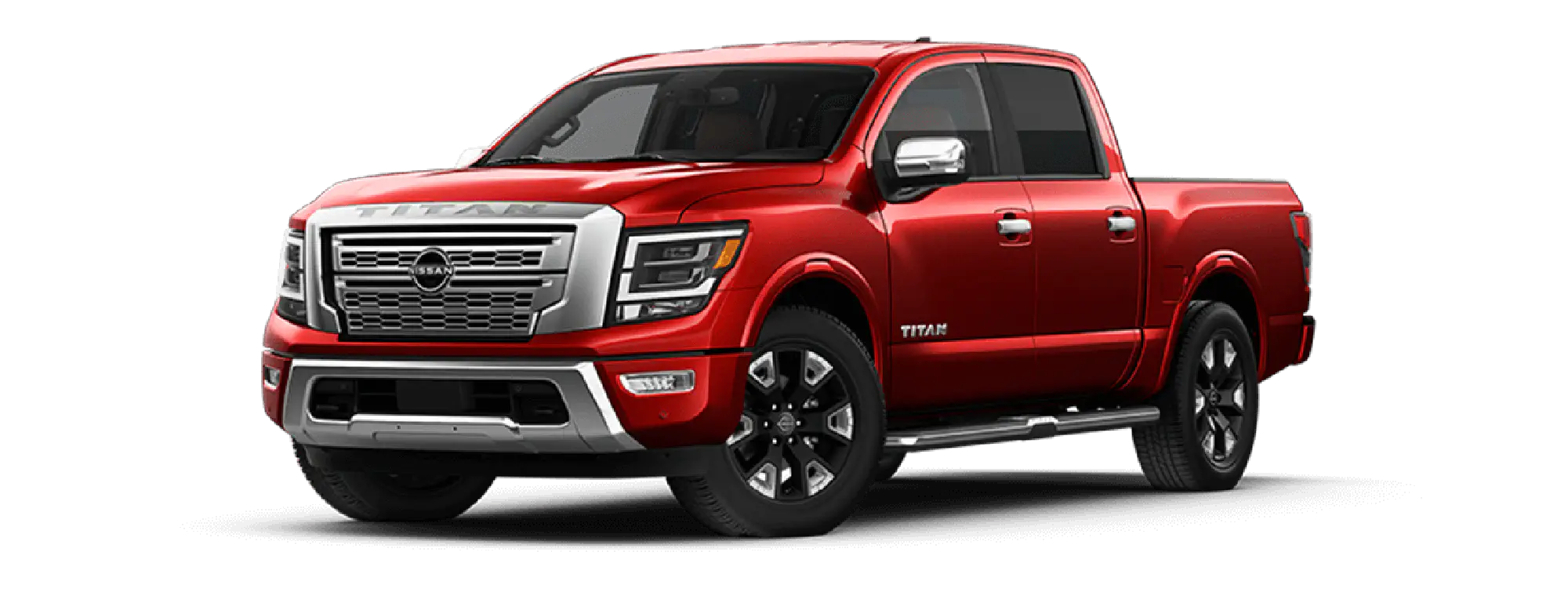
Chevy Silverado vs Nissan Titan Reliability: What Buyers Should Know
For many buyers comparing domestic and Japanese trucks, the Chevy Silverado vs Nissan Titan reliability debate often comes down to durability, repair costs, and long term ownership confidence.
Full size pickup trucks are expected to last hundreds of thousands of miles while towing, hauling, and handling daily driving duties.
Both trucks offer strong powertrains and proven platforms, but there are meaningful differences in reliability trends, maintenance costs, and long term durability. Understanding these factors can help buyers decide which truck better fits their ownership goals.
When evaluating Chevy Silverado vs Nissan Titan reliability, both trucks have reputations for durability but approach engineering differently.
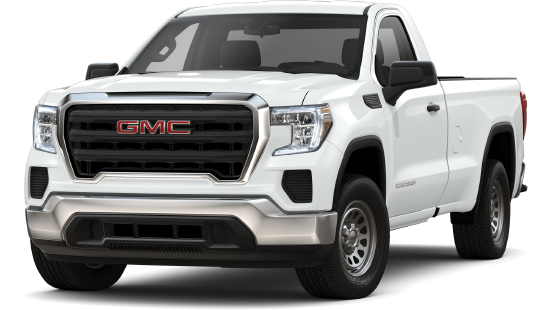
Chevy Silverado trucks offer multiple engine options including the 5.3L V8, 6.2L V8, and turbocharged four cylinder powertrains. These engines have been used across millions of GM trucks and SUVs, which provides a large track record for reliability data and service knowledge.
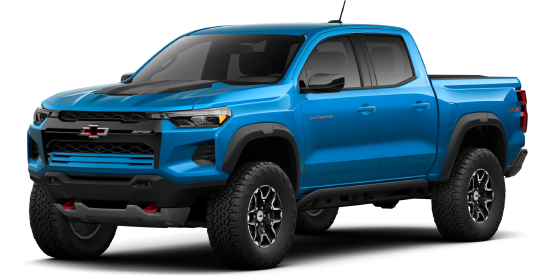
The Nissan Titan, by comparison, focuses primarily on a single powertrain: the 5.6L Endurance V8. This engine is known for strong towing performance and a simple naturally aspirated design that many owners appreciate for long term durability.
In a Titan vs Silverado comparison, Silverado benefits from broader engine choices and a longer production history. Titan trucks often appeal to buyers who want simplicity and fewer drivetrain options.
Even reliable trucks develop patterns of common problems over time. Looking at these issues helps clarify the real world differences in a Titan vs Silverado comparison.
Silverado trucks have occasionally experienced issues with transmission shifting, lifter failures in some V8 engines, and electrical glitches related to modern infotainment systems. These problems do not affect every vehicle, but they are commonly discussed among long term owners.
Titan trucks generally experience fewer engine design complaints, but some model years have reported exhaust manifold cracking, brake wear concerns, and electronic sensor faults.
Nissan truck reliability has historically been solid in terms of engine longevity. However, the Titan’s smaller production volume means fewer aftermarket parts options and sometimes slightly higher component prices.
Repair cost exposure is one of the most important factors in the Chevy Silverado vs Nissan Titan reliability discussion.
Full size truck repair costs can vary widely depending on the component involved. Transmission repairs can range from $3,500 to $6,500 depending on the severity of the issue. Engine component failures such as lifters or camshaft repairs can sometimes exceed $4,000.
Suspension components, cooling systems, and electronic modules are also common long term maintenance items on modern trucks. Even smaller repairs like wheel bearings or sensors can cost several hundred dollars once labor is included.
Because both trucks include advanced technology, turbocharging in some Silverado models, and increasingly complex electronics, long term ownership costs have steadily increased across the full size truck market.
A Technical Service Bulletin, often called a TSB, is a notice issued by the manufacturer to dealerships describing known issues, diagnostic procedures, or updated repair instructions for specific vehicles.
TSBs are not recalls. Instead, they help technicians diagnose known problems more efficiently. For example, a manufacturer may release a TSB describing a specific transmission shift concern and the recommended repair procedure.
Vehicle owners can review TSB reports through resources such as the National Highway Traffic Safety Administration database or manufacturer service portals. Checking these reports can provide useful insight when researching Nissan truck reliability or comparing trucks in a Titan vs Silverado comparison.
Proper maintenance plays a major role in long term truck durability. While reliability ratings are helpful, owner habits often influence repair outcomes.
Regular oil changes, transmission fluid service, and cooling system maintenance can significantly extend engine and drivetrain life. Trucks used for towing should also follow severe duty maintenance schedules.
Keeping software updated at dealerships can also resolve certain electronic issues before they become larger problems. Many modern trucks rely heavily on software updates for infotainment, transmission control modules, and driver assistance systems.
Preventative maintenance is one of the most effective ways to reduce long term full size truck repair costs regardless of whether you own a Silverado or a Titan.
Overall, both trucks are capable of long service lives when properly maintained. Silverado trucks benefit from extensive dealership networks, abundant parts availability, and decades of engineering development.
Titan trucks offer simpler engine design and a strong durability reputation, though the platform has seen fewer redesigns and a smaller production footprint.
In practical terms, reliability differences between the two trucks often come down to maintenance history, driving habits, and individual model year changes rather than brand alone.
For buyers planning to keep a truck well past the factory warranty period, the financial risk of unexpected repairs becomes an important consideration.
As trucks accumulate mileage, repair costs can become less predictable. Advanced electronics, drivetrain components, and emissions systems can all create unexpected repair expenses.
Factory backed extended coverage can help stabilize ownership costs after the original warranty expires. Plans administered through providers like Granger Warranty allow owners to maintain OEM repair standards and use genuine parts when covered repairs occur.
Vehicle owners comparing coverage options can review protection plans and pricing directly at Granger Warranty .
Both trucks have solid durability records. Silverado trucks benefit from longer production history and larger service networks, while Titan trucks often appeal to buyers who value a simple V8 engine design.
Longevity depends heavily on maintenance. Many examples of both trucks exceed 200,000 miles with proper service. Engine durability, transmission care, and driving conditions all influence lifespan.
Nissan truck reliability has historically been strong in terms of engine durability. The Titan’s naturally aspirated V8 avoids some complexity found in turbocharged engines, which some owners see as a long term advantage.
Full size truck repair costs can be significant, especially for drivetrain components like transmissions, engines, and transfer cases. Modern trucks include advanced electronics and emissions equipment that can increase repair complexity.
Many truck owners consider extended coverage once the factory warranty ends. Protection plans can help reduce financial risk from expensive repairs, particularly for vehicles driven long distances or used for towing.
Truck ownership often extends well beyond the original factory warranty period. As vehicles accumulate mileage, components such as transmissions, electronics, and suspension systems can become costly to repair.
Granger Warranty provides factory backed extended coverage designed to help truck owners manage these long term repair risks. Plans follow OEM repair standards and are accepted nationwide.
Drivers researching protection options can explore coverage details and transparent pricing at Granger Warranty .
Stay up to date with the latest news from Granger Warranty