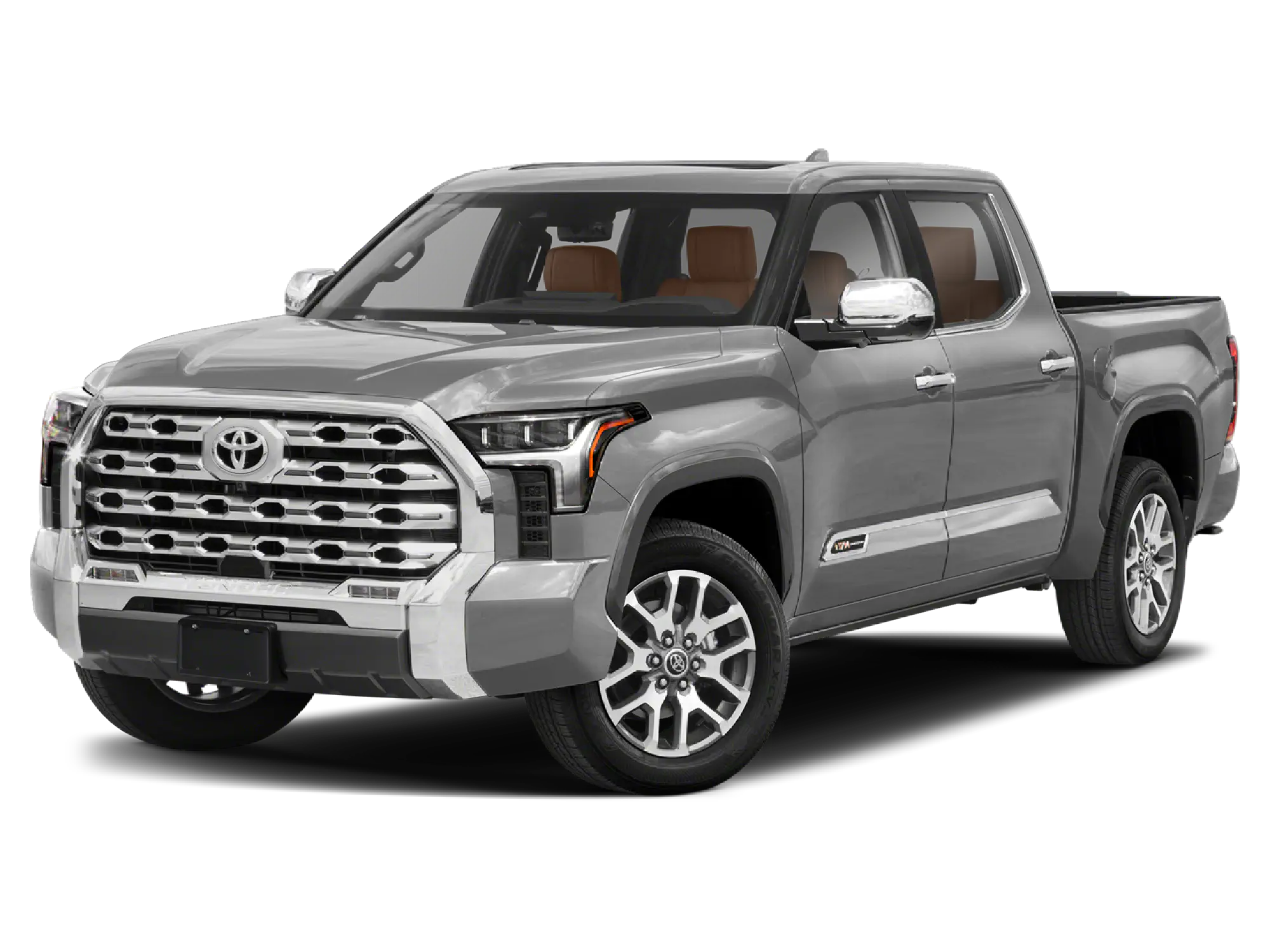
Chevy Silverado vs Toyota Tundra Reliability: Which Is More Dependable?
Understanding Tundra vs Silverado longevity, repair costs, and known issues helps buyers make a smarter ownership decision. For many truck owners, reliability is not just about avoiding problems. It is also about predictable repair costs and long-term durability.
Chevy Silverado vs Toyota Tundra reliability is one of the most common comparisons among half ton truck buyers.
Both trucks are built for heavy work, towing, and long-term ownership, but their reliability reputation and maintenance expectations can differ.
When comparing Chevy Silverado vs Toyota Tundra reliability, both trucks have strong reputations but approach durability differently.
Toyota truck reliability has historically been associated with conservative engineering and long-lasting powertrains. Many Tundra models are known to exceed 200,000 miles with routine maintenance.
The Chevy Silverado focuses on capability and innovation. Silverado trucks often offer more engine options, advanced towing technology, and modern features. However, these additional systems can sometimes introduce more potential repair points over time.
In real-world ownership, both trucks can be dependable when properly maintained. The biggest differences often come down to engine design, transmission systems, and long-term maintenance habits.
Tundra vs Silverado longevity often centers around the engines used in each truck generation.
Toyota trucks have traditionally relied on naturally aspirated V8 engines with simple and durable designs. These engines tend to prioritize longevity over maximum horsepower.
Silverado trucks offer multiple engine options including V6, V8, and turbocharged engines depending on the model year. While these engines deliver strong performance and efficiency, the added complexity can sometimes increase long-term maintenance needs.
Both trucks can last well beyond 200,000 miles when properly maintained. However, drivers who prioritize long-term mechanical simplicity often lean toward Toyota truck reliability.
Half ton truck durability is influenced by how vehicles handle towing loads, drivetrain stress, and long-term wear.
Silverado owners occasionally report transmission concerns, especially in certain model years using eight-speed automatic transmissions. Symptoms can include rough shifting or delayed engagement.
Toyota Tundra models historically have fewer transmission complaints but may experience issues such as fuel pump failures, brake wear, or suspension component fatigue after high mileage.
These issues do not affect every truck, but understanding common patterns helps owners anticipate maintenance and potential repairs.
Technical Service Bulletins (TSBs) also play a role in identifying known issues. A TSB is a notice issued by manufacturers to dealerships describing a known problem and the recommended repair procedure. Unlike recalls, TSBs do not require free repairs, but they help technicians diagnose issues faster. Drivers can find TSB reports through the National Highway Traffic Safety Administration database or manufacturer service portals.
Repair costs are an important factor when evaluating Chevy Silverado vs Toyota Tundra reliability.
Transmission repairs on a Silverado can range from $3,500 to over $6,000 depending on the model and severity of the issue.
Tundra repair costs are often lower for major drivetrain components due to their simpler design. However, newer twin-turbo Tundra engines introduced in recent model years may carry higher repair costs because of increased technology.
Other common repair costs for both trucks include:
| Repair Type | Typical Cost Range |
|---|---|
| Transmission replacement | $3,500 to $6,500 |
| Suspension components | $400 to $1,200 |
| Fuel system repairs | $500 to $1,500 |
| Brake system service | $300 to $900 |
These costs vary depending on mileage, location, and whether OEM or aftermarket parts are used.
Proper maintenance plays a major role in Tundra vs Silverado longevity. Many reliability complaints stem from skipped maintenance or heavy towing without proper service intervals.
Truck owners should prioritize routine fluid changes, including transmission and differential fluids. These services help reduce internal wear on drivetrain components.
Cooling system maintenance is also important. Overheating can cause premature engine wear and expensive repairs.
Drivers who frequently tow should inspect suspension components, brakes, and cooling systems more frequently than standard maintenance schedules recommend.
Consistent preventative maintenance is often the difference between a truck lasting 120,000 miles and one lasting 250,000 miles or more.
For most drivers, both trucks provide excellent half ton truck durability.
The Silverado may appeal to drivers who want advanced technology, powerful engine options, and modern towing features.
The Toyota Tundra may appeal to buyers who prioritize Toyota truck reliability and long-term mechanical simplicity.
Neither truck is immune to repairs, especially as vehicles age beyond 100,000 miles. The key factor is understanding potential repair costs and planning for long-term ownership expenses.
Modern trucks contain complex electronics, turbocharged engines, and advanced driver assistance systems. While these technologies improve performance and safety, they can also increase repair costs over time.
Many truck owners explore extended warranty coverage once the factory warranty approaches expiration. Factory-backed plans can help stabilize long-term repair costs and ensure repairs follow OEM service standards.
Granger Warranty provides nationwide factory-backed coverage designed to help truck owners manage unexpected repair expenses. Drivers can review available coverage options and pricing at Granger Warranty.
Toyota trucks have historically earned strong reliability ratings due to simpler engine designs and conservative engineering. However, modern Silverado trucks can also be dependable with proper maintenance and responsible driving habits.
Both trucks are capable of exceeding 200,000 miles with consistent maintenance. Factors such as towing frequency, driving habits, and service intervals have a significant impact on long-term durability.
Historically, Toyota truck reliability has been associated with slightly lower long-term repair costs. However, newer turbocharged engines in both trucks may narrow that gap depending on future maintenance needs.
Some Silverado model years experienced transmission complaints related to shifting behavior. Many of these issues were addressed through software updates or technical service bulletins issued by the manufacturer.
Extended warranties can help manage the cost of major repairs such as transmissions, electronics, and engine components. Coverage becomes especially valuable once trucks pass 60,000 to 100,000 miles.
Truck ownership often extends well beyond the original factory warranty period. As vehicles age, repair costs can become less predictable.
Factory-backed extended coverage can help protect against major drivetrain and technology repairs while ensuring work is completed using OEM parts and service procedures.
Drivers researching protection plans can learn more about available coverage options by visiting Granger Warranty and comparing factory-backed protection plans designed for long-term vehicle ownership.
Stay up to date with the latest news from Granger Warranty