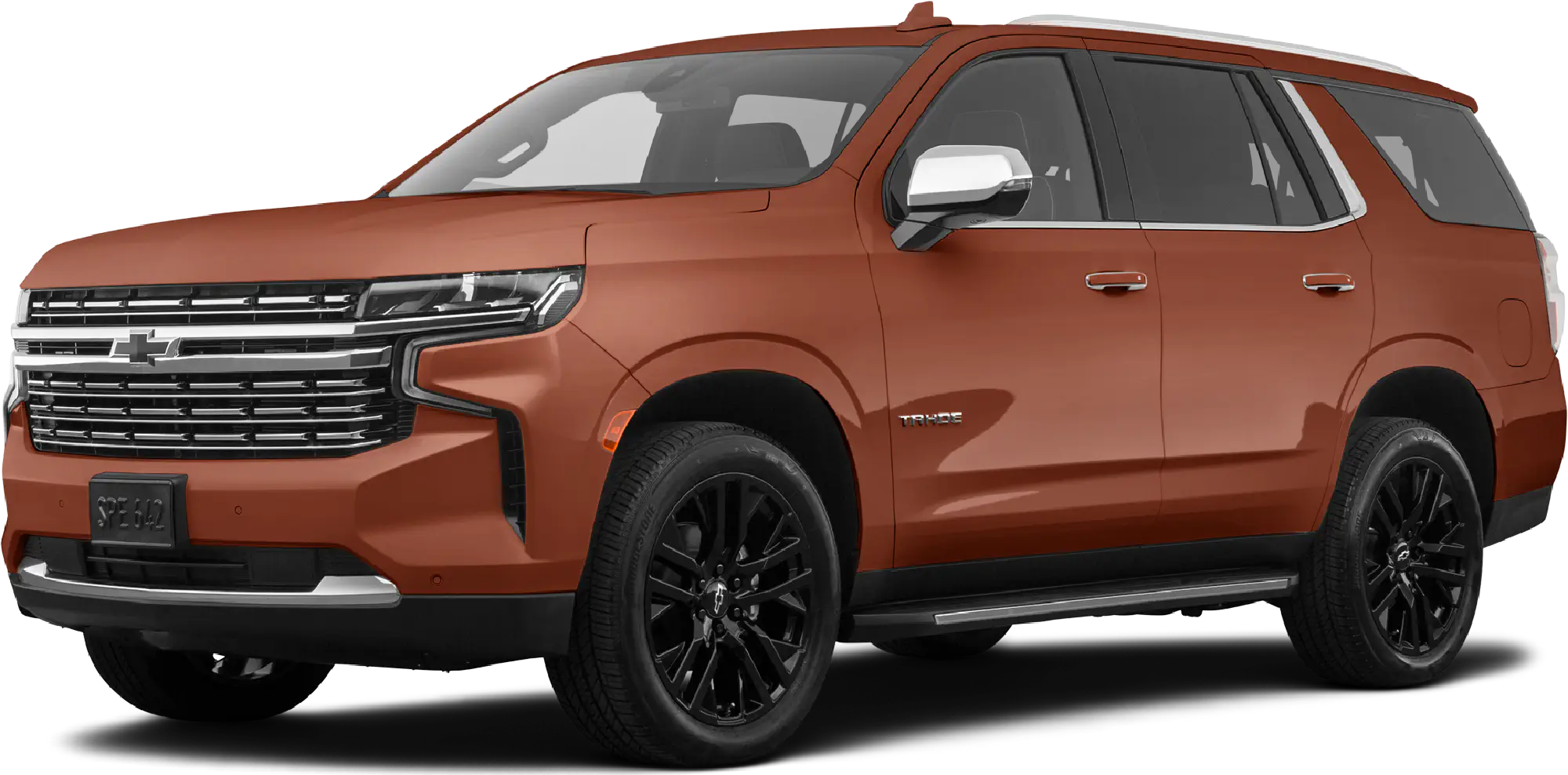
Chevy Tahoe vs Nissan Armada Reliability Comparison
Chevy Tahoe vs Armada reliability is one of the most common questions among full-size SUV shoppers looking for long-term dependability.
Both models offer strong V8 performance, towing capability, and family-friendly space, but ownership experience can vary significantly as mileage increases.
Understanding SUV breakdown rates and repair frequency SUV trends helps buyers avoid unexpected costs and plan for long-term ownership.
The Chevy Tahoe and Nissan Armada are both body-on-frame SUVs designed for durability, but they approach reliability differently. The Tahoe has evolved with more advanced electronics and engine options, while the Armada has traditionally leaned on proven, simpler powertrain designs.
Tahoe vs Armada reliability often comes down to how complexity impacts long-term durability. Vehicles with more advanced technology can offer better performance and efficiency, but may also introduce additional failure points over time.
In general:
Both SUVs are capable of reaching well over 150,000 miles, but each has known issues that can influence reliability.
These problems can increase repair frequency in SUV metrics, especially after 80,000 to 100,000 miles.
Armada models generally experience fewer electronic failures, which helps reduce overall SUV breakdown rates.
| Category | Chevy Tahoe | Nissan Armada |
|---|---|---|
| Average Repair Frequency | Moderate | Low to Moderate |
| Electrical Issues | More Common | Less Common |
| Powertrain Durability | Strong but complex | Strong and simpler |
| Long-Term Reliability (150K+ miles) | Good with maintenance | Very Good with maintenance |
Repair costs for both SUVs increase as they age, particularly after factory warranty coverage ends.
Common repair costs include:
Diagnostic fees typically range from $120 to $200, depending on location and complexity. These costs contribute directly to overall SUV breakdown rates and ownership expenses.
Preventative maintenance plays a major role in Tahoe vs Armada reliability outcomes. Owners who follow strict service schedules typically see lower repair frequency SUV trends.
Key maintenance strategies include:
Avoiding delayed maintenance is one of the most effective ways to reduce SUV breakdown rates over time.
A Technical Service Bulletin, or TSB, is issued by a manufacturer to address known issues that are not classified as recalls. These bulletins provide repair procedures, updated parts, or diagnostic guidance for technicians.
TSBs can significantly impact Tahoe vs Armada reliability because they highlight recurring problems and known fixes. Owners can search for TSBs through the NHTSA website or manufacturer service portals to better understand potential issues before they occur.
For most drivers, neither SUV presents unusual reliability concerns when properly maintained. However, differences in repair frequency of SUV patterns may influence ownership experience.
Choose the Chevy Tahoe if you prefer newer technology, updated interiors, and a broader range of configurations, understanding that increased complexity can raise SUV breakdown rates slightly.
Choose the Nissan Armada if you value simplicity, proven V8 durability, and slightly lower repair frequency SUV expectations over time.
The Nissan Armada generally has slightly lower SUV breakdown rates due to simpler engineering, but the Tahoe remains highly reliable when maintained properly.
Armada models typically experience fewer electronic issues, which can result in lower repair frequency SUV costs over time.
Yes, both the Tahoe and Armada are capable of exceeding 200,000 miles with proper maintenance and timely repairs.
Tahoe repairs can be slightly higher due to advanced technology and additional components, especially in newer models.
Following scheduled maintenance, addressing small issues early, and using quality parts can significantly reduce SUV breakdown rates for either vehicle.
As vehicles age, repair frequency and SUV costs become more unpredictable. This is especially true for full-size SUVs with complex drivetrains and electronics.
The best extended warranty coverage can help stabilize ownership costs by covering major components and reducing out-of-pocket expenses.
Granger Warranty offers transparent, nationwide dealer-honored protection coverage that follows OEM repair standards. This means repairs are completed using genuine OEM parts and consistent procedures, helping preserve reliability over time.
Drivers comparing Tahoe vs Armada reliability often consider extended protection once factory coverage ends. Reviewing options at Granger Warranty can provide clarity on coverage, pricing, and long-term ownership planning.
Tahoe vs Armada reliability ultimately depends on how each vehicle is maintained and how much complexity an owner is comfortable managing.
Both SUVs deliver strong durability, but differences in SUV breakdown rates and repair frequency SUV patterns can influence long-term cost. Understanding these factors helps owners make informed decisions and avoid unexpected repairs.
Planning ahead, maintaining consistently, and considering extended coverage are key steps toward a more predictable ownership experience.
Stay up to date with the latest news from Granger Warranty