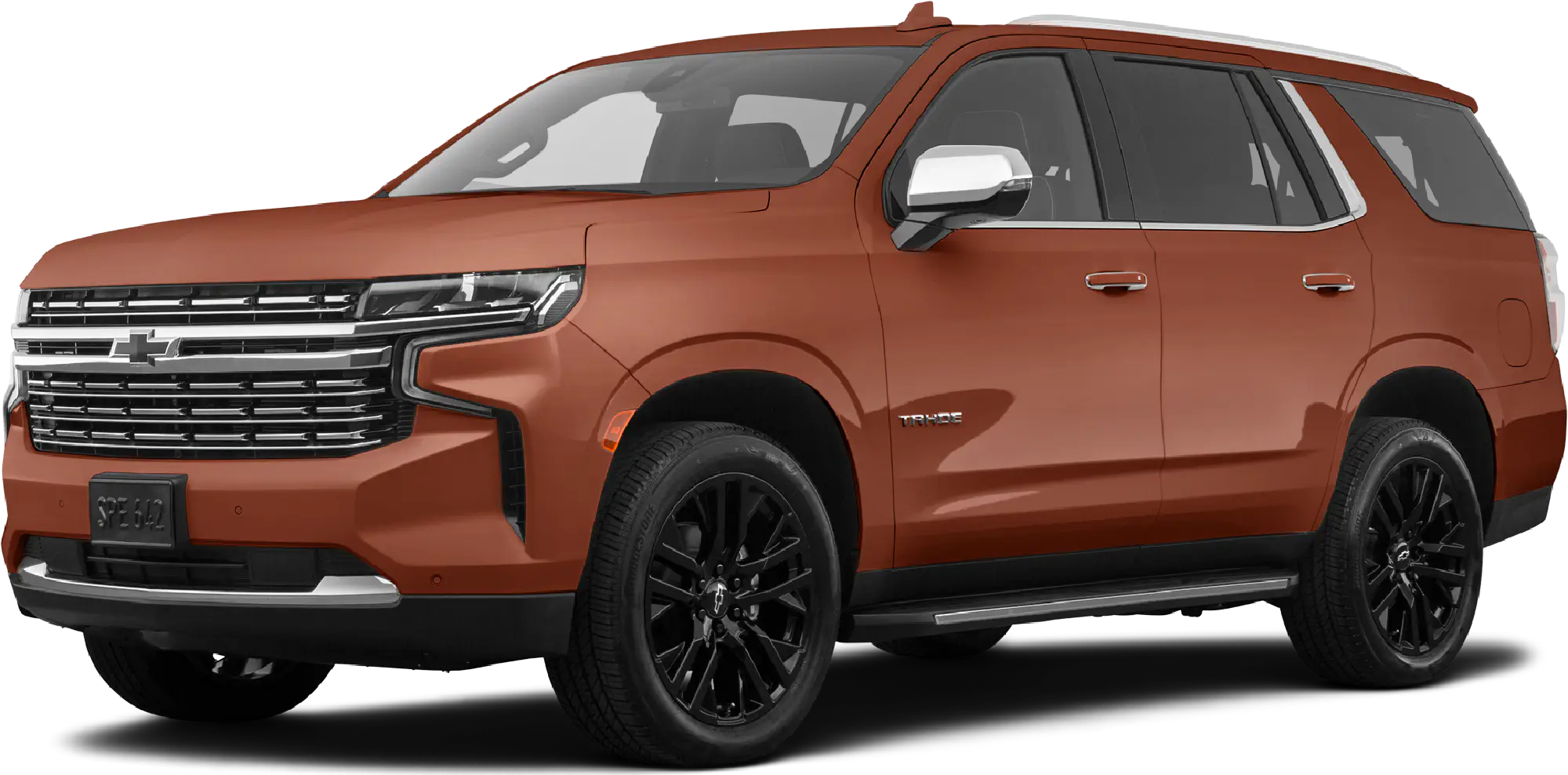
GM 4WD and AWD Transfer Case Failure: Grinding, Binding, and Wheel Lockup Warning Signs
Four-wheel drive and all-wheel drive systems have become essential features for many Chevrolet, GMC, and Cadillac owners, providing additional traction when navigating snow-covered highways, muddy trails, and unpredictable road conditions.
Beneath that added capability is a sophisticated network of mechanical components, including a transfer case responsible for distributing engine power between the front and rear axles.
When a transfer case begins to malfunction, the symptoms can range from subtle vibrations and unusual noises to severe drivetrain binding and potentially dangerous wheel lockup. Recognizing GM transfer case failure symptoms early can help owners avoid expensive repairs, unexpected breakdowns, and potentially hazardous driving conditions.
For drivers experiencing Tahoe transfer case grinding, difficulty engaging four-wheel drive, or unusual resistance while turning, understanding how the system operates is the first step toward identifying a developing problem.
General Motors uses several different transfer case designs across its Chevrolet, GMC, and Cadillac vehicle lines. Although their internal configurations vary, these components perform the same fundamental task: transferring power from the transmission to the front and rear drivetrains.
Traditional four-wheel drive systems commonly feature selectable operating modes, including 2HI, 4HI, and 4LO, while some vehicles also offer an automatic four-wheel drive setting. All-wheel drive systems typically manage power distribution automatically, adjusting torque delivery according to available traction and driving conditions.
Inside the transfer case, chains, gears, bearings, shafts, clutches, and electronic actuators work together to manage power delivery. Over time, internal wear, fluid deterioration, electronic malfunctions, or mechanical damage can interfere with these operations.
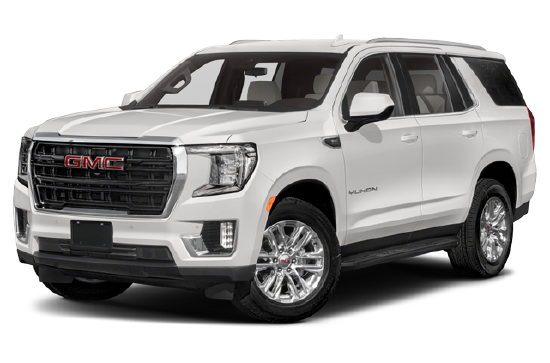
Common GM vehicles equipped with transfer cases include the Chevrolet Silverado, Tahoe, Suburban, and Colorado, along with the GMC Sierra, Yukon, Canyon, and certain Cadillac Escalade models. The exact transfer case configuration depends on the model year, drivetrain, and optional equipment.
Transfer case problems are not inevitable, but understanding their warning signs is particularly important for owners who frequently tow trailers, drive in challenging weather, or operate vehicles with higher mileage.
Grinding noises are among the more recognizable symptoms of transfer case trouble, particularly when they occur during acceleration, deceleration, or transitions between four-wheel drive operating modes.
In some cases, a grinding or rattling sound develops because internal bearings have deteriorated or a drive chain has stretched. As wear progresses, components may no longer maintain proper alignment, producing metal-on-metal contact or irregular power transfer.
Owners reporting Tahoe transfer case grinding may notice that the sound changes with vehicle speed or becomes more pronounced when four-wheel drive is engaged. Similar symptoms can appear in GMC Yukon, Chevrolet Suburban, and Silverado models using related drivetrain configurations.
Drivetrain binding is another important warning sign. A vehicle may feel as though its wheels are resisting movement during low-speed turns, particularly in parking lots or tight intersections.
Some binding is expected when a conventional part-time four-wheel drive system operates in 4HI or 4LO on dry pavement. Because these modes mechanically couple the front and rear drivetrains, differences in wheel rotation can create tension that is released through tire scrubbing or driveline movement.
Persistent binding in an appropriate operating mode, unexpected engagement of four-wheel drive, or resistance accompanied by grinding deserves further investigation.
Severe internal mechanical damage can occasionally produce abrupt drivetrain resistance or a wheel-lockup sensation. Actual wheel lockup is a serious safety concern, although similar symptoms can originate from brakes, differentials, wheel bearings, or other drivetrain components.
If a vehicle suddenly resists movement, produces violent grinding, or experiences suspected wheel lockup, stop driving as soon as it is safe and arrange professional inspection or towing.
Transfer case problems do not always announce themselves with obvious mechanical noise. Electronic control issues, fluid leaks, and inconsistent engagement can develop gradually before more significant damage occurs.
| Warning Sign | Possible Cause | Recommended Action |
|---|---|---|
| Grinding during acceleration | Worn bearings, gears, or chain components | Inspect transfer case and related driveline |
| Binding during turns | Incorrect 4WD mode, clutch malfunction, or tire mismatch | Verify operating mode and inspect system |
| Service 4WD warning | Encoder motor, sensor, wiring, or control fault | Scan drivetrain control modules |
| Delayed 4WD engagement | Actuator problem or internal mechanical wear | Test engagement operation |
| Fluid leaking beneath vehicle | Damaged seals, housing, or gaskets | Locate leak and check fluid level |
| Whining at highway speeds | Bearing wear or low lubricant level | Inspect before continued highway operation |
| Sudden drivetrain resistance | Internal seizure or another drivetrain fault | Stop driving and arrange towing |
A dashboard warning does not automatically indicate that the transfer case itself requires replacement. Electronic diagnostic testing can distinguish certain control-system failures from internal mechanical problems, potentially preventing unnecessary repairs.
Similarly, vibration or grinding should not be attributed to the transfer case without inspecting universal joints, driveshafts, differentials, wheel bearings, and related components.
Several mechanical and operational conditions can contribute to premature transfer case wear.
Lubrication problems are especially important because transfer case components depend on the correct fluid to reduce friction, dissipate heat, and protect internal surfaces. Low fluid levels caused by leaking seals or housings can accelerate bearing and gear deterioration.
Using the wrong lubricant may also affect clutch operation or internal component protection. GM specifies different fluids for different transfer case designs, making it essential to follow the maintenance information associated with the vehicle’s exact configuration.
Chain-driven transfer cases can experience chain stretch or sprocket wear as mileage accumulates. Excessive internal clearance may produce rattling, grinding, or intermittent engagement problems.
Electronically controlled systems introduce additional potential failure points, including encoder motors, position sensors, wiring connections, and control modules. A malfunctioning component may prevent proper mode selection or cause unexpected engagement behavior.
Tire differences can also create problems. Unequal tire circumference, incorrect inflation pressures, or substantially mismatched tread depths can increase driveline stress, particularly in systems that continuously monitor or distribute torque between axles.
Heavy towing, repeated off-road use, water intrusion, and extended operation under demanding conditions may further accelerate wear, especially when maintenance requirements are overlooked.
Repair expenses vary considerably depending on the vehicle, transfer case design, severity of the damage, and whether the problem involves electronic controls or internal mechanical components.
A failed actuator may be substantially less expensive to repair than a transfer case suffering from extensive bearing, gear, or housing damage.
The following estimates represent broad U.S. repair-cost ranges, including typical parts and labor. Actual pricing can vary by location, model year, repair facility, and component availability.
| Repair or Service | Estimated Cost |
|---|---|
| Transfer case diagnostic inspection | $120–$250 |
| Transfer case fluid service | $120–$300 |
| Transfer case seal replacement | $200–$600 |
| Transfer case encoder motor replacement | $350–$900 |
| Transfer case bearing or chain repair | $800–$1,800 |
| Transfer case rebuild | $1,500–$3,000 |
| Complete transfer case replacement | $2,000–$4,500+ |
A replacement transfer case may be the most practical solution when internal damage is extensive, particularly if metal contamination has affected multiple components.
Before authorizing major repairs, owners should request a detailed diagnosis explaining why the transfer case has failed and whether associated drivetrain components require inspection.
A professional diagnosis should also establish whether the condition is covered by an existing factory warranty, service contract, recall, or other applicable repair program.
Preventive maintenance cannot eliminate every mechanical failure, but it can significantly improve the likelihood of identifying developing problems before they become expensive.
The most important starting point is following GM’s maintenance schedule for the vehicle’s specific transfer case. Fluid specifications and service intervals vary by application, and vehicles exposed to severe operating conditions may require more frequent attention.
Owners should also inspect for fluid leaks during routine maintenance visits, especially around output shaft seals and transfer case housing connections.
Maintaining properly matched tires is equally important. Replacement tires should meet the vehicle manufacturer’s size and specification requirements, and owners should avoid operating AWD systems with significantly different rolling circumferences.
For vehicles equipped with selectable four-wheel drive, understanding the appropriate operating modes can prevent unnecessary drivetrain stress. Conventional 4HI and 4LO settings generally should not be used on dry, high-traction pavement unless the owner’s manual specifically permits that operation.
Drivers who regularly tow should follow GM’s recommendations for drivetrain operation, load limits, and severe-service maintenance.
Finally, unusual noises should be investigated promptly. Continuing to drive with a grinding transfer case can turn a potentially repairable bearing, seal, or actuator problem into extensive internal damage.
General Motors may publish technical service bulletins, commonly called TSBs, to provide dealership technicians with additional diagnostic procedures, updated repair instructions, or information about known vehicle conditions.
A TSB is not the same as a safety recall. While a recall addresses a safety-related defect or regulatory noncompliance and generally provides a remedy without charge, a TSB does not automatically mean repairs will be covered outside the applicable warranty.
Owners can research manufacturer communications, recalls, and consumer complaints through the National Highway Traffic Safety Administration.
Using the vehicle identification number, or VIN, is particularly useful when checking for applicable recalls. Owners can also search by model year, manufacturer, and vehicle model to review reported drivetrain concerns.
Because similar symptoms can originate from different mechanical problems, service bulletins should be treated as diagnostic resources rather than confirmation that a particular component has failed.
Not every transfer case noise signals an imminent mechanical failure, but persistent grinding, unexpected drivetrain engagement, or severe binding should never be ignored.
A mild vibration during a specific operating condition may have a relatively straightforward explanation, while a grinding noise that increases with vehicle speed could indicate deteriorating internal components.
Owners should be particularly cautious when symptoms appear suddenly or interfere with steering, acceleration, or normal vehicle movement.
Vehicles displaying severe drivetrain resistance, repeated violent engagement, or suspected wheel lockup should not be driven until the underlying cause has been identified.
For drivers approaching higher mileage, the financial implications also deserve consideration. Transfer case replacement can represent a substantial unexpected expense, especially when other drivetrain components require attention.
The most effective approach combines timely diagnosis, proper maintenance, and a clear understanding of available repair coverage.
Early GM transfer case failure symptoms may include grinding or whining noises, delayed four-wheel drive engagement, fluid leaks, unusual vibrations, and dashboard warnings. Some vehicles may also exhibit binding during turns or difficulty switching between drivetrain modes.
Because these symptoms overlap with other drivetrain problems, professional diagnosis is necessary before replacing the transfer case.
Driving with persistent Tahoe transfer case grinding is not recommended until the source has been identified. Continued operation could worsen internal damage and increase repair costs.
If the grinding is severe, accompanied by binding, or affects vehicle movement, stop driving safely and arrange towing rather than attempting to reach a repair facility under the vehicle’s own power.
Severe transfer case damage can potentially cause drivetrain seizure or abrupt resistance that resembles wheel lockup. This is not a routine symptom of every transfer case failure, and braking or differential problems can produce similar behavior.
Any suspected wheel-lockup event requires immediate attention because it may compromise vehicle control.
A transfer case can remain operational well beyond 100,000 miles, and many last considerably longer with appropriate maintenance and normal use. There is no universal replacement interval because durability depends on design, lubrication, operating conditions, and maintenance history.
Heavy towing, improper tire matching, fluid loss, and frequent demanding use can shorten component life.
Some extended vehicle service contracts provide coverage for transfer case components as part of their drivetrain or powertrain protection. Eligibility depends on the specific agreement, covered components, exclusions, vehicle condition, and claim requirements.
Pre-existing problems, maintenance-related damage, and certain wear-related conditions may be excluded. Owners should review the contract carefully before assuming a particular repair will qualify.
Transfer case repairs illustrate how quickly modern four-wheel drive and all-wheel drive ownership costs can increase. A relatively minor electronic problem may require only a targeted component replacement, while significant internal damage can lead to a repair bill reaching several thousand dollars.
For Chevrolet, GMC, and Cadillac owners planning to keep their vehicles beyond the original warranty period, understanding available extended protection options can be an important part of long-term ownership planning.
Granger Warranty provides access to vehicle protection options designed to help eligible owners manage covered repair expenses. Coverage availability, covered components, exclusions, and repair provisions depend on the specific plan and vehicle.
Before purchasing coverage, owners should verify whether transfer case components are included, review applicable limitations, and understand the claims process. Existing symptoms or failures generally cannot be addressed by purchasing coverage after the problem develops.
Whether you drive a Chevrolet Tahoe, Silverado, GMC Sierra, Yukon, or Cadillac Escalade, maintaining the drivetrain and recognizing warning signs early remain the best ways to protect your vehicle.
Visit Granger Warranty to explore available coverage options and determine which protection plan may fit your vehicle and long-term ownership needs.
Stay up to date with the latest news from Granger Warranty