GM 6.2L L87 Engine Recall Update: Remedy Failures, the NHTSA Investigation, and Which Trucks Are Covered
GM's 6.2-liter V8 has long been one of the most desirable engines in the company's full-size truck and SUV lineup, offering substantial horsepower, impressive towing capability, and the smooth performance expected from a premium gasoline powertrain.
Concerns about unexpected engine failures have placed this popular V8 under intense scrutiny, prompting a major safety recall and questions about whether the prescribed repairs adequately address the underlying problem.
For owners of Chevrolet Silverados, GMC Sierras, Cadillac Escalades, and several other GM SUVs, the GM 6.2 L87 recall raises important questions about engine reliability, vehicle safety, and long-term ownership costs. Reports of failures involving vehicles that have already received recall remedies have made understanding the recall process particularly important.
With federal regulators examining the effectiveness of corrective actions, owners need to know which vehicles are potentially affected, what symptoms deserve attention, and how to protect themselves from an expensive L87 engine failure.
General Motors introduced the 6.2-liter L87 V8 as part of its modern EcoTec3 engine family, combining traditional V8 performance with technologies intended to improve efficiency and drivability. Its features include direct fuel injection, variable valve timing, and Dynamic Fuel Management, which can deactivate cylinders under certain driving conditions.
In April 2025, GM announced a significant safety recall involving certain 2021 through 2024 model-year trucks and SUVs equipped with the naturally aspirated 6.2-liter L87 engine. The recall covered approximately 597,630 vehicles in the United States, making it one of the more consequential engine-related recalls affecting GM’s recent full-size vehicle lineup.
The central concern involves manufacturing defects associated with connecting rods and crankshafts. These components are essential to converting combustion energy into rotational motion, and their failure can cause severe internal engine damage or a complete loss of propulsion.
Unlike a relatively minor drivability complaint, an engine that unexpectedly fails while a vehicle is moving can create a genuine safety concern. Losing propulsion in traffic or while merging onto a highway can increase the likelihood of a collision, particularly when drivers have little warning before the failure occurs.
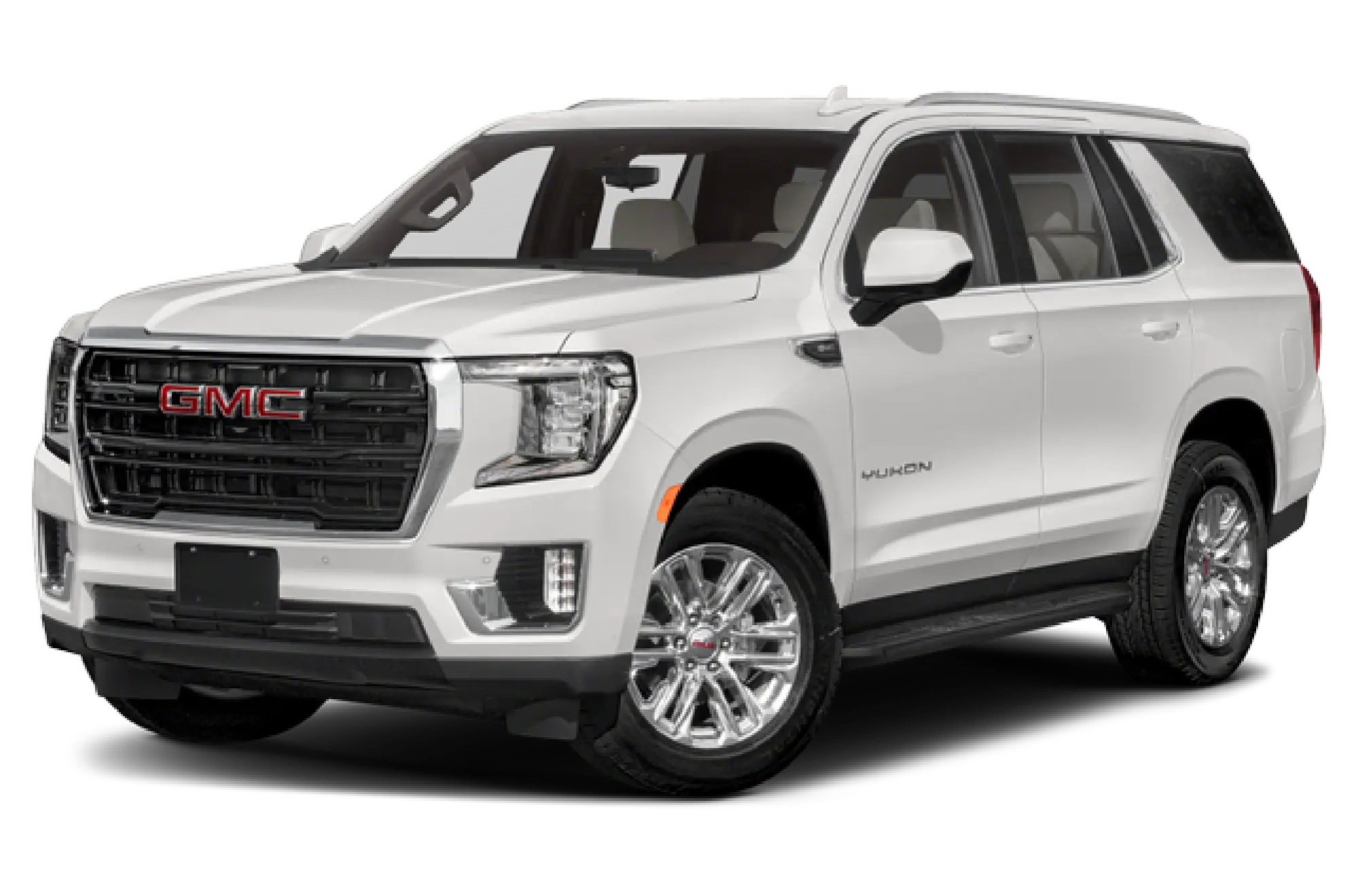
The recall encompasses several of GM’s most recognizable trucks and SUVs, although not every vehicle within the listed model years is affected. Eligibility depends on the specific vehicle identification number, engine configuration, and applicable production information.
| GM Vehicle | Potentially Affected Model Years | Engine |
|---|---|---|
| Chevrolet Silverado 1500 | 2021–2024 | 6.2L L87 V8 |
| Chevrolet Tahoe | 2021–2024 | 6.2L L87 V8 |
| Chevrolet Suburban | 2021–2024 | 6.2L L87 V8 |
| GMC Sierra 1500 | 2021–2024 | 6.2L L87 V8 |
| GMC Yukon | 2021–2024 | 6.2L L87 V8 |
| GMC Yukon XL | 2021–2024 | 6.2L L87 V8 |
| Cadillac Escalade | 2021–2024 | 6.2L L87 V8 |
| Cadillac Escalade ESV | 2021–2024 | 6.2L L87 V8 |
These model years identify the recall population generally, rather than confirming that every vehicle in each category requires repairs.
Owners should visit www.nhtsa.gov and use the recall lookup tool to check their vehicle’s 17-character VIN. The VIN can typically be found near the driver’s side windshield, on the driver’s door jamb, or on vehicle registration documents.
A VIN-specific check is more reliable than assuming a vehicle is included simply because it has a 6.2-liter engine. Other GM V8 configurations, including certain 5.3-liter engines and heavy-duty truck engines, are not automatically included in this particular L87 recall.
At the center of the recall are potential manufacturing defects involving two critical internal engine components: the crankshaft and connecting rods. Both operate under substantial mechanical loads, particularly when a truck is accelerating, towing, or climbing steep grades.
The crankshaft transforms the pistons’ reciprocating movement into the rotational force that ultimately drives the wheels. Connecting rods link the pistons to the crankshaft, transmitting enormous forces thousands of times per minute.
GM identified manufacturing-related issues that can affect these components, including crankshaft dimensional and surface-finish irregularities and connecting-rod defects. Under certain operating conditions, these problems can contribute to bearing damage, internal wear, and ultimately catastrophic engine failure.
An engine experiencing internal bearing damage may initially produce a faint knocking or tapping sound. As deterioration progresses, drivers may notice abnormal vibration, reduced power, or an oil-pressure warning before the engine stops operating.
Not every unusual engine noise indicates the recalled defect, and not every affected engine will necessarily fail. Nevertheless, a sudden change in engine sound or oil pressure deserves immediate professional attention rather than continued operation.
The official records behind the GM 6.2 L87 recall explain both the original engine defect and the concerns surrounding failures after repairs.
NHTSA Recall 25V-274, identified by GM as N252494000, covers certain 2021–2024 Chevrolet Silverado 1500, Tahoe and Suburban; GMC Sierra 1500, Yukon and Yukon XL; and Cadillac Escalade and Escalade ESV vehicles equipped with the L87 engine. GM identified connecting-rod and crankshaft manufacturing defects that could cause engine damage and loss of propulsion, with the amended report listing 597,571 potentially affected vehicles.
GM’s May 2025 recall service bulletin N252494000 details the inspection and repair process, including engine replacement when necessary. Vehicles that pass inspection receive higher-viscosity oil, a replacement oil filter, a new oil-fill cap, and an owner’s-manual insert reflecting the revised oil requirement.
Reports of subsequent failures prompted NHTSA Recall Query RQ26001, opened January 16, 2026, to assess the remedy’s effectiveness. The agency subsequently opened Engineering Analysis EA26005 on August 20, 2026. That opening report identified 499 complaints alleging engine failure after recall repairs, including 473 following an oil-viscosity change and 26 following an engine replacement.
The engineering analysis also expanded scrutiny to 2021–2026 L87-equipped vehicles, including engines manufactured after the original recall’s production window. That broader investigation does not automatically place those additional vehicles under recall.
Owners should confirm recall eligibility by VIN and have a GM dealership check the latest applicable repair instructions and coverage.
An L87 engine experiencing internal damage may provide warning signs, although some failures occur with little advance notice. Recognizing changes in engine behavior can help owners avoid additional damage and potentially reduce safety risks.
| Warning Sign | Possible Explanation | Recommended Response |
|---|---|---|
| Metallic knocking or tapping | Bearing wear or internal mechanical damage | Stop driving and arrange an inspection |
| Low oil-pressure warning | Lubrication problem or internal damage | Shut off the engine when safe |
| Sudden loss of power | Mechanical failure or another powertrain problem | Move to a safe location and request assistance |
| Excessive engine vibration | Internal imbalance, misfire, or mechanical damage | Schedule immediate diagnosis |
| Engine stalls unexpectedly | Potential internal failure or another system fault | Avoid restarting repeatedly |
| Metal particles in engine oil | Possible internal component deterioration | Have the engine professionally evaluated |
A check-engine light alone does not confirm crankshaft or connecting-rod damage. Likewise, the absence of a warning light does not guarantee that an engine is mechanically healthy.
Owners who experience pronounced knocking, an oil-pressure warning, or sudden power loss should avoid driving until the vehicle has been evaluated. Continuing to operate an engine with internal damage can turn a developing mechanical problem into a complete engine failure.
Repair expenses depend heavily on whether the vehicle qualifies for recall assistance, remains under its original powertrain warranty, or requires customer-paid service.
For an eligible vehicle receiving an authorized safety recall remedy, the prescribed recall repair is performed without charge. Owners who previously paid for qualifying repairs may also have reimbursement options under the manufacturer’s recall program.
Outside applicable recall or warranty coverage, replacing a modern 6.2-liter V8 can be a substantial expense. Labor requirements, engine availability, replacement-part pricing, and additional damage all influence the final invoice.
| Service or Repair | Approximate Customer-Pay Cost |
|---|---|
| Initial engine diagnostic inspection | $150–$300 |
| Advanced mechanical or oil-pressure diagnosis | $250–$600 |
| Engine oil and filter service | $100–$250 |
| Internal engine repair, where practical | $3,000–$7,000+ |
| Complete 6.2L V8 engine replacement | $9,000–$16,000+ |
These figures are broad illustrative estimates, not GM recall reimbursement amounts or guaranteed repair quotes. Regional labor rates, replacement-engine specifications, and the extent of damage can produce substantially different costs.
In many cases, replacing the complete engine is more practical than attempting to repair extensive internal damage. Bearing failure can circulate metallic debris throughout the lubrication system, potentially affecting components beyond the original point of failure.
Owners should always establish recall eligibility and available manufacturer assistance before authorizing expensive customer-pay repairs.
Although routine maintenance cannot correct a manufacturing defect, proper service practices remain important for protecting the engine and documenting its condition.
Owners should verify that all applicable recalls have been completed and retain copies of inspection results, repair orders, and oil-change records. Documentation becomes especially valuable when discussing a subsequent engine problem with a dealership or manufacturer representative.
Using the correct engine oil is particularly important following a recall remedy. Vehicles receiving the specified 0W-40 service should follow the updated manufacturer requirements rather than automatically returning to the viscosity printed in an older owner’s manual.
Drivers should also monitor engine noises, oil-pressure warnings, and changes in performance. Maintaining the recommended service schedule, checking the oil level regularly, and promptly investigating abnormal symptoms can help identify developing mechanical problems.
A Technical Service Bulletin, commonly called a TSB, is a manufacturer-issued communication that provides dealerships and repair technicians with information about known vehicle conditions, diagnostic procedures, or updated repair methods. Unlike a safety recall, a TSB does not automatically require a manufacturer to provide free repairs, although applicable warranty coverage or other assistance may still apply.
Owners can search for manufacturer communications and TSB information through www.nhtsa.gov by selecting their vehicle and reviewing the manufacturer communications section. These records can help explain how dealerships diagnose reported symptoms and whether updated service procedures are available.
Owners of affected vehicles have legitimate reasons to follow the recall closely, particularly if their trucks or SUVs have already experienced unusual engine noises, oil-pressure warnings, or repeat service visits.
Still, inclusion in a recall does not mean every L87 engine is destined to fail. The recall identifies a population of vehicles with a potential manufacturing defect, and the purpose of the remedy is to address that risk before it produces a dangerous failure.
The more difficult question involves confidence after a vehicle has passed inspection and received the oil-related remedy. Reports of subsequent engine failures make it reasonable for owners to remain attentive to changes in performance and to monitor official regulatory developments.
For owners planning to keep their vehicles well beyond the original warranty period, long-term repair exposure deserves consideration. Modern V8 engines are sophisticated and expensive to replace, even when problems are unrelated to a particular recall.
Extended vehicle service contracts can help manage certain unexpected mechanical repair expenses, but they are not substitutes for manufacturer safety recalls. Coverage varies by contract, and existing defects, recalled conditions, and manufacturer-responsible repairs may be excluded.
Certain 2021 through 2024 Chevrolet Silverado 1500, Tahoe, and Suburban models; GMC Sierra 1500, Yukon, and Yukon XL models; and Cadillac Escalade and Escalade ESV models equipped with the 6.2-liter L87 V8 are included. Owners should confirm eligibility through the VIN-based recall search at www.nhtsa.gov.
Yes. Reports of engine problems following recall-related service have raised concerns about remedy effectiveness, although an individual failure does not by itself prove that the prescribed remedy was defective. Owners experiencing symptoms after recall service should return to an authorized dealership and document the problem.
Not every recalled vehicle automatically receives a replacement engine. GM’s remedy uses inspection results to determine whether an engine replacement is required or whether the vehicle qualifies for the specified oil-related service, with authorized recall repairs performed at no charge.
Payment depends on recall eligibility, the diagnosed failure, applicable warranty extensions or special coverage, and any manufacturer assistance available for that vehicle. Owners should request a VIN-specific coverage review before approving repairs, especially if the engine problem appears related to the recalled condition.
An extended vehicle service contract may cover certain mechanical engine failures when the cause is included under the agreement’s terms. Recall-related repairs are generally the manufacturer’s responsibility, and contracts may exclude pre-existing defects or conditions subject to an applicable recall, making it essential to review exclusions and claims procedures.
The GM 6.2 L87 recall demonstrates how even a premium, high-performance V8 can expose owners to substantial repair costs when major internal components fail. Completing applicable recall work, monitoring official NHTSA updates, and keeping detailed maintenance records are the most important immediate steps.
For owners thinking beyond the recall, reviewing additional vehicle protection options can be a sensible part of a long-term ownership plan. An extended service contract may help reduce the financial impact of eligible future mechanical failures once the original manufacturer warranty expires.
Granger Warranty offers vehicle protection options with transparent pricing and a straightforward online shopping experience. Owners can compare available plans, review coverage terms and exclusions, and determine whether additional protection fits their vehicle and ownership goals.
Before purchasing any plan, confirm vehicle eligibility and understand how the contract handles existing conditions, recalls, and engine-related claims. A thoughtful coverage decision begins with knowing what the manufacturer already owes you and what repair risks may remain afterward.
Stay up to date with the latest news from Granger Warranty