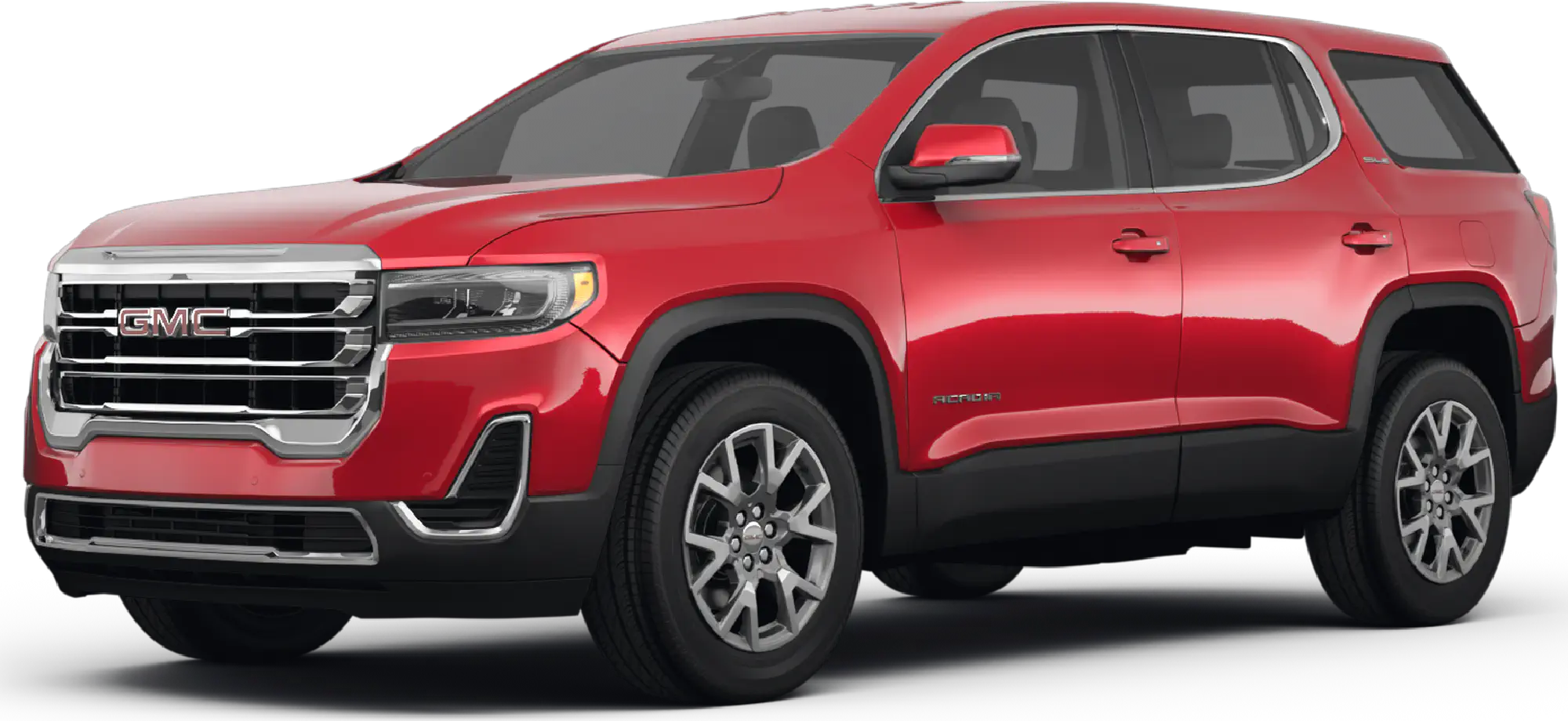
GMC Acadia AWD Coupling and Transfer Case Failure
GMC Acadia owners depend on the available all-wheel-drive system for extra traction in rain, snow, gravel, and other low-grip conditions.
When that system develops a mechanical or electronic problem, symptoms can range from a warning message or unusual noise to reduced AWD capability and expensive drivetrain repairs.
A GMC Acadia AWD coupling failure can sometimes feel similar to a transfer case, differential, wheel-bearing, or transmission problem. Knowing the warning signs and getting an accurate diagnosis early can help prevent unnecessary parts replacement and potentially keep a smaller repair from becoming a larger one.
AWD versions of the Acadia use multiple drivetrain components to distribute engine torque beyond the front wheels. GMC describes AWD operation as sending power to the front and rear wheels when the system is activated to help optimize traction.
Depending on model year and configuration, the AWD drivetrain includes components responsible for transferring torque toward the rear axle and controlling how that torque reaches the wheels. This means an apparent AWD problem does not automatically identify one failed component.
A GMC Acadia AWD coupling failure generally involves the hardware responsible for engaging or controlling torque delivery within the AWD system. A transfer case or power-transfer component has a different mechanical role, even though a failure can create overlapping symptoms.
That distinction matters because replacing an AWD coupling when the actual problem is elsewhere can result in a large repair bill without solving the complaint.
| Component or Area | Primary Role | Possible Failure Symptoms |
|---|---|---|
| AWD coupling | Controls or assists rear torque engagement | Binding, shuddering, reduced AWD operation |
| Transfer case or power-transfer hardware | Routes power through the AWD drivetrain | Whining, grinding, leaks, vibration |
| Rear differential | Distributes torque to rear wheels | Humming, clunking, gear noise |
| Wheel bearing | Supports wheel rotation | Speed-related humming or growling |
| Tires | Maintain consistent rolling circumference | Binding, vibration, AWD stress |
| AWD electronics | Monitor and control system operation | Warning messages, stored fault codes |
Because several problems can sound and feel alike from the driver’s seat, diagnosis should come before major parts replacement.
One of the most important warning signs is a noticeable change in how the Acadia behaves while turning. Binding, hopping, shuddering, or resistance during low-speed parking-lot maneuvers can point toward an AWD drivetrain problem.
Drivers may also hear humming, whining, clunking, or grinding. GMC notes that differential or rear-axle wear can produce clanking, whining, or humming noises, which is one reason noise alone cannot confirm an AWD coupling failure.
Other symptoms worth investigating include:
Pay attention to when the symptom occurs. A noise that changes with vehicle speed can suggest something different from a shudder that appears only under acceleration or a binding sensation that happens exclusively during tight turns.
A proper diagnosis usually begins with a road test and electronic scan. Modern AWD systems are electronically monitored, so a technician should check applicable drivetrain modules for diagnostic trouble codes before assuming a mechanical component has failed.
Technicians may then inspect the transfer case or power-transfer hardware, rear differential, coupling assembly, driveshaft, seals, mounts, wiring, connectors, and related components. Fluid condition and evidence of leakage can provide valuable clues.
Tires deserve attention as well. AWD systems work best when all four tires have closely matched rolling circumferences, which is why proper tire size, inflation, condition, and replacement practices matter.
A technician may need to reproduce the complaint under specific conditions, such as low-speed turns or acceleration under load. RepairPal notes that transfer case problems on modern vehicles may require scanning for fault codes and road testing to reproduce the condition.
Owners should ask the repair facility to explain which component failed and what evidence supports the diagnosis before authorizing an expensive assembly replacement.
Costs for GMC Acadia AWD coupling failure vary considerably because the final bill depends on the failed component, model year, labor rates, parts availability, and whether related damage is present.
Basic diagnosis may cost roughly $100 to $250 at many repair facilities. Fluid service or minor electrical repairs can remain relatively affordable, while replacement of major AWD drivetrain assemblies can quickly reach several thousand dollars.
As a general industry reference, RepairPal currently estimates average transfer case replacement at approximately $3,220 to $3,535, including estimated labor of $673 to $987 and roughly $2,548 in parts. Those figures are not specific to every GMC Acadia, so owners should obtain a vehicle-specific estimate before making repair decisions.
| Potential Service | Approximate Cost Range |
|---|---|
| Diagnostic inspection | $100 to $250 |
| Drivetrain fluid service | $150 to $350 |
| Seal or minor leak repair | $250 to $700 |
| Sensor, wiring, or control-related repair | $200 to $1,000+ |
| AWD coupling-related repair | $1,000 to $3,000+ |
| Transfer case replacement | $3,000 to $4,000+ |
| Multiple damaged AWD components | $4,000+ |
These figures are broad planning estimates rather than quotes. Labor rates, OEM component pricing, vehicle configuration, and the extent of internal damage can substantially change the total.
A correct diagnosis becomes especially important once the estimate reaches four figures.
Heat, contaminated or deteriorated lubricant, seal leaks, internal bearing wear, damaged gears, electrical faults, and normal long-term mechanical wear can all contribute to AWD drivetrain problems.
Driving conditions also matter. Frequent towing, repeated stop-and-go driving, rough roads, steep terrain, and extended operation in demanding conditions can place additional load on drivetrain components.
Tires can create another source of stress. Significant differences in tire diameter or inflation can cause the wheels to rotate at slightly different speeds, potentially forcing the AWD system to compensate when it should not need to.
Fluid problems should not be ignored either. GMC states that differentials and transfer cases should be inspected as mileage approaches 100,000 miles and that a fluid change may be recommended. Owners should follow the schedule for their particular Acadia rather than treating 100,000 miles as a universal fluid-change interval.
Preventive maintenance cannot eliminate every mechanical failure, but it can reduce avoidable drivetrain stress and provide opportunities to catch leaks or wear earlier.
Start by following the maintenance information for your exact year and configuration. GMC provides searchable owner’s manuals and maintenance information online, including vehicle-specific service guidance.
Check underneath the Acadia periodically for fresh fluid spots. A small drivetrain leak may be much less expensive to address before fluid loss contributes to bearing or gear damage.
Tire maintenance is equally important. Keep all four tires properly inflated and use appropriately matched tires. GMC’s owner guidance specifically recommends maintaining correct tire inflation and following the recommended maintenance schedule.
Drivers can also reduce risk by responding quickly to new vibrations, grinding noises, warning messages, or binding. Continuing to drive a malfunctioning drivetrain can turn a manageable problem into a more complicated repair.
A Technical Service Bulletin, commonly called a TSB, is information a vehicle manufacturer provides to technicians about known conditions, diagnostic procedures, updated repair methods, or other service information. A TSB is not automatically a recall, and its existence does not necessarily mean a particular vehicle has the condition described.
Rather than relying on lists of individual bulletins found on forums or social media, Acadia owners can search manufacturer communications through the NHTSA recall and manufacturer communications database. NHTSA confirms that consumers can search manufacturer communications by vehicle year, make, and model.
This is especially useful when diagnosing an AWD complaint because service information can change as manufacturers gather additional field data.
An isolated noise or warning light does not mean the AWD system is headed for a complete failure. It does mean the vehicle deserves proper diagnosis, particularly when symptoms include grinding, binding, fluid loss, repeated warning messages, or noticeable changes in traction.
Severity also depends on the underlying cause. A sensor, connector, fluid leak, wheel bearing, or tire issue may be less costly than an internally damaged coupling, differential, or transfer case.
Owners planning to keep an Acadia beyond its original warranty period should consider drivetrain repair exposure as part of the overall ownership budget. AWD provides useful traction, but the additional hardware also creates components that front-wheel-drive vehicles simply do not have.
It depends on the symptoms and diagnosis. A warning message with otherwise normal operation may not carry the same urgency as grinding, severe binding, fluid leakage, or strong vibration.
If the vehicle suddenly changes behavior, makes severe mechanical noises, or feels unsafe, driving should be minimized until it can be inspected.
Possible symptoms include shuddering, binding during tight turns, clunking, unusual vibration, or inconsistent rear-wheel engagement. Similar symptoms can come from other drivetrain components, so these signs do not confirm coupling failure by themselves.
A scan and mechanical inspection are the best way to separate coupling trouble from differential, transfer case, tire, or wheel-bearing problems.
It can be. Current industry estimates put average transfer case replacement above $3,000, although the actual price for an Acadia depends on its model year, parts required, labor rate, and whether other drivetrain components were damaged.
Getting a written diagnosis before authorizing replacement is particularly important with a repair of this size.
Tire differences can contribute to unwanted drivetrain stress because AWD operation depends on predictable wheel-speed relationships. Tires should be properly inflated and appropriately matched for the vehicle.
Owners replacing only one or two tires should ask the tire shop whether the remaining tread-depth difference is appropriate for their Acadia’s AWD system.
Coverage depends entirely on the service contract, its component list, exclusions, eligibility requirements, and the cause of failure. Owners should never assume an AWD coupling, transfer case, differential, seal, or electronic component is covered without checking the actual contract.
Wear items, maintenance services, pre-existing conditions, and damage caused by excluded circumstances may be treated differently from a covered mechanical breakdown.
A GMC Acadia AWD coupling failure can be difficult to diagnose from symptoms alone and expensive when major drivetrain hardware requires replacement. For owners keeping an Acadia beyond its original warranty period, understanding potential repair exposure can make long-term ownership costs easier to plan.
Granger Warranty offers extended vehicle protection options with transparent pricing and a straightforward online purchase process. Depending on the selected plan and contract terms, eligible drivetrain components may be covered, which can help reduce the financial uncertainty associated with unexpected mechanical repairs.
Before purchasing coverage, review the contract carefully to understand covered components, exclusions, deductibles, eligibility requirements, and maintenance responsibilities. Visit Granger Warranty to compare available coverage options and determine whether an extended protection plan fits your Acadia and ownership timeline.
Stay up to date with the latest news from Granger Warranty