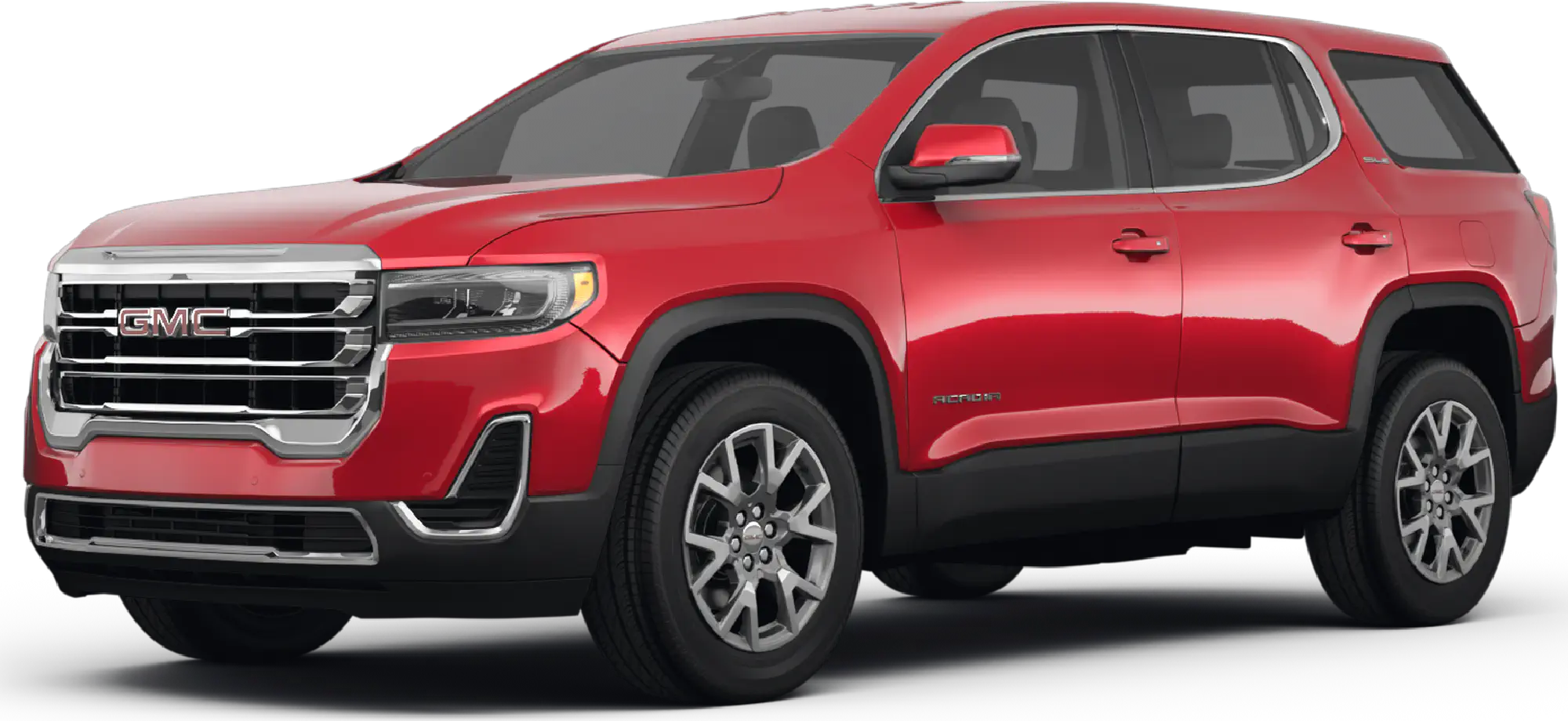
GMC Acadia CVT/9-Speed Transmission Failure and Warning Codes
GMC Acadia transmission failure can turn an otherwise routine drive into an expensive repair decision, especially when symptoms such as harsh shifting, delayed engagement, slipping, warning messages, or reduced-power operation appear.
Because transmission design varies by model year and powertrain, Acadia owners should first identify exactly which transmission their vehicle uses before assuming that a particular symptom or repair applies.
Modern automatic transmissions depend on hydraulic pressure, electronic controls, sensors, solenoids, software, and precisely manufactured internal components working together. A warning code may point technicians toward the affected system, but proper diagnosis is usually necessary before determining whether the problem involves fluid condition, electronics, a valve body, torque converter, internal hardware, or another component.
Transmission trouble does not always begin with a complete loss of drive. Early symptoms can be intermittent, and some problems may only appear when the transmission is cold, fully warmed up, accelerating under load, or shifting between particular gears.
Common symptoms worth investigating include:
| Symptom | What It May Indicate |
|---|---|
| Harsh or abrupt shifting | Control, pressure, fluid, solenoid, valve-body, or internal issue |
| Delayed Drive or Reverse engagement | Hydraulic pressure or internal transmission problem |
| Engine revs without matching acceleration | Possible slipping or loss of holding pressure |
| Shudder during acceleration | Torque-converter, fluid, engine, or driveline issue |
| Transmission warning message | Fault detected by a vehicle control module |
| Reduced-power or limited-shifting behavior | Protective operating strategy after a fault |
| Fluid underneath the vehicle | Leak requiring inspection |
| Grinding, whining, or unusual noises | Potential bearing, pump, gear, or other mechanical issue |
These symptoms do not automatically mean the transmission needs replacement. Engine misfires, electrical problems, low system voltage, mounts, driveline components, and software or calibration concerns can sometimes produce symptoms that feel surprisingly similar to transmission trouble.
That is why diagnosis should come before parts replacement.
A modern Acadia transmission is controlled electronically. Multiple vehicle modules monitor information such as engine load, vehicle speed, transmission input and output speeds, temperature, requested gear, and actual transmission behavior.
When the control system detects an operating condition outside its expected parameters, it may store a diagnostic trouble code, commonly called a DTC. Depending on the fault, the vehicle may also illuminate the check engine light or display a transmission-related message.
Transmission-related codes can involve several areas:
| Code Category | Possible Area To Inspect |
|---|---|
| Gear-ratio errors | Slipping, hydraulic pressure, clutch operation, or speed-sensor data |
| Shift-solenoid faults | Solenoid, wiring, connector, control, or hydraulic issue |
| Pressure-control faults | Valve body, solenoid, fluid supply, pump, or internal leak |
| Temperature faults | Fluid temperature, cooling system, sensor, or wiring |
| Speed-sensor faults | Sensor, wiring, connector, reluctor, or internal component |
| Torque-converter faults | Converter clutch, hydraulics, electrical controls, or internal wear |
A code is generally a diagnostic starting point rather than proof that a specific component has failed. Replacing a component based only on a generic code description can lead to unnecessary expense if the underlying cause has not been confirmed.
Owners can have codes scanned at a qualified repair facility and ask for the exact alphanumeric DTCs before authorizing major work. Keeping a copy of the scan report can also make it easier to get a second opinion.
Owners searching for GMC Acadia transmission failure information sometimes encounter references to different transmission technologies online. This creates an important diagnostic problem because advice for one transmission design should not automatically be applied to another.
Before researching a failure, confirm the vehicle’s model year, engine, drivetrain configuration, VIN, and installed transmission. A GMC dealer or qualified technician can use vehicle-specific information to identify the transmission and appropriate service procedures.
This matters because a conventional stepped automatic and a continuously variable transmission operate differently. Their internal hardware, fluids, diagnostic procedures, failure modes, and repair strategies can differ substantially.
It is also important not to assume that every Acadia from the same generation uses identical drivetrain hardware. Vehicle specifications can change across model years and configurations.
A good diagnosis normally starts well before anyone recommends replacing the complete transmission. Technicians may scan multiple vehicle modules, review stored and pending codes, inspect freeze-frame information, and evaluate live operating data during a road test.
Fluid condition and leaks may also provide useful clues. Depending on the transmission and manufacturer service procedure, technicians can check whether the fluid level is correct and look for evidence of overheating, contamination, or abnormal wear.
Electrical diagnosis can be equally important. Damaged wiring, loose connections, low voltage, sensor faults, and communication problems can create transmission-related codes without necessarily indicating catastrophic internal damage.
More advanced diagnosis may include hydraulic pressure testing, commanded shift tests, solenoid evaluation, temperature monitoring, and comparison between commanded and actual gear ratios.
The objective is to determine the root cause before deciding whether the appropriate repair is relatively minor or requires major transmission work.
Transmission costs vary considerably by model year, labor rate, location, drivetrain configuration, and the exact component that failed. A warning light caused by an electrical issue can cost dramatically less than a transmission requiring removal and internal repair.
The following figures should therefore be treated as broad planning ranges rather than quotes:
| Service Or Repair | Approximate Cost Range |
|---|---|
| Initial diagnostic evaluation | $100-$250+ |
| Transmission fluid-related service | $200-$500+ |
| Sensor or electrical repair | $200-$800+ |
| Solenoid or control-related repair | $500-$1,500+ |
| Valve-body-related work | $1,000-$2,500+ |
| Torque-converter-related repair | $1,500-$3,500+ |
| Major internal transmission repair | $3,000-$6,000+ |
| Transmission replacement | $4,000-$8,000+ |
Actual prices can fall outside these ranges. Parts availability, diagnostic time, programming requirements, taxes, shop rates, and the extent of internal damage all influence the final bill.
Owners should request a written diagnosis and estimate before approving a major transmission replacement. It is also worth asking whether programming, fluid, seals, taxes, diagnostic charges, and related parts are included in the quoted price.
A Technical Service Bulletin, or TSB, is information issued by an automaker to help technicians diagnose or repair a known vehicle condition. A TSB is not automatically a recall, and its existence does not necessarily mean a repair will be performed free of charge.
Owners researching GMC Acadia transmission failure symptoms can search for manufacturer communications through the National Highway Traffic Safety Administration by entering their vehicle information. Rather than relying on a bulletin found for a different year or configuration, compare any relevant information with the exact VIN and ask a qualified technician whether it applies to your vehicle.
Recall status should also be checked separately. Owners can use NHTSA’s VIN lookup and manufacturer resources to determine whether an open safety recall applies to their specific Acadia.
No maintenance routine can guarantee that a transmission will never fail. Proper maintenance can nevertheless reduce avoidable stress and give owners a better chance of discovering leaks or performance changes before they become more serious.
Follow the maintenance schedule and fluid specifications listed for the exact model year and drivetrain. Transmission fluids are engineered for particular applications, so using an incorrect fluid or treating all automatic transmissions as mechanically interchangeable is a poor strategy.
Operating conditions matter as well. Frequent towing, mountainous driving, extreme temperatures, heavy loads, and repeated stop-and-go operation can place additional heat and stress on a drivetrain.
Pay attention to changes in behavior. A new delay when selecting Drive, increasingly harsh shifts, unexplained shuddering, or fresh fluid underneath the vehicle deserves investigation rather than months of continued driving.
Service records are valuable too. Keeping receipts and documenting fluid services, inspections, warning codes, and repairs gives future technicians a clearer picture of the vehicle’s history.
An occasional unusual shift does not prove that an Acadia transmission is failing. Persistent symptoms, rapidly worsening behavior, warning lights, slipping, loss of propulsion, or difficulty engaging Drive or Reverse deserve prompt attention.
Slipping is particularly important to investigate because continued operation under some fault conditions can generate additional heat and wear. If the vehicle cannot maintain normal acceleration, makes severe mechanical noises, leaks a significant amount of fluid, or behaves unpredictably, continuing to drive may not be appropriate.
Owners should also distinguish transmission concerns from normal operating characteristics. A technician familiar with the vehicle can compare its behavior with expected operation and check for applicable diagnostic information.
The biggest mistake is assuming the most expensive outcome before diagnosis. The second biggest is ignoring persistent symptoms until a potentially manageable problem becomes a much larger repair.
Transmission repairs demonstrate why owners often evaluate extended coverage before the original vehicle warranty expires. A single major drivetrain repair can represent thousands of dollars in unexpected ownership expense.
Coverage depends on the specific service contract, vehicle eligibility, terms, exclusions, and cause of failure. Owners should review the actual contract rather than assuming every transmission-related component or diagnostic charge will automatically qualify.
Granger Warranty provides extended vehicle coverage options with transparent online pricing. For Acadia owners planning to keep their SUV beyond its original warranty period, reviewing coverage while the vehicle is still eligible can help clarify what protection options are available before a major repair occurs.
It depends on the fault and how the vehicle is behaving. A warning light with otherwise normal operation may allow a trip to a repair facility, while severe slipping, loss of propulsion, abnormal noises, or unpredictable shifting can make continued driving risky.
Have the vehicle scanned as soon as practical. If it cannot accelerate or shift normally, ask a qualified technician or roadside-assistance provider whether towing is appropriate.
No. A DTC identifies a fault detected by the vehicle’s diagnostic system, but it does not necessarily prove the entire transmission has failed.
The underlying problem might involve wiring, sensors, solenoids, fluid pressure, control hardware, software, or internal mechanical components. Proper testing is needed to isolate the cause.
Potential warning signs include harsh shifting, delayed engagement, slipping, shuddering, unusual noises, fluid leaks, warning messages, and limited shifting.
Some of these symptoms can also originate outside the transmission. Diagnosis is important before assuming an internal failure.
Minor electrical or sensor-related repairs may cost hundreds of dollars, while significant internal work or complete replacement can reach several thousand dollars. Labor rates, parts prices, model year, drivetrain configuration, and the specific failure determine the final cost.
A written estimate is useful because it allows owners to see exactly which parts and procedures are being recommended.
Potentially, depending on the contract and the cause of the failure. Covered components, exclusions, eligibility requirements, deductibles, maintenance obligations, and other terms vary by plan.
Review the contract carefully before purchasing coverage or authorizing repairs. Granger Warranty can provide plan information so owners can compare available protection with their expected ownership period.
GMC Acadia transmission failure can range from a comparatively manageable sensor or control problem to a major repair involving internal transmission components. Early diagnosis, correct maintenance, and attention to warning codes can help owners make informed decisions before approving expensive work.
For drivers planning to keep an Acadia after its original warranty coverage ends, visit Granger Warranty to review available extended coverage options, eligibility, pricing, and plan terms. Comparing coverage before a breakdown provides a clearer picture of potential long-term repair exposure and the protection available for your vehicle.
Stay up to date with the latest news from Granger Warranty