GMC Sierra Duramax 3.0L Diesel Common Issues: Fuel Injectors and DEF System
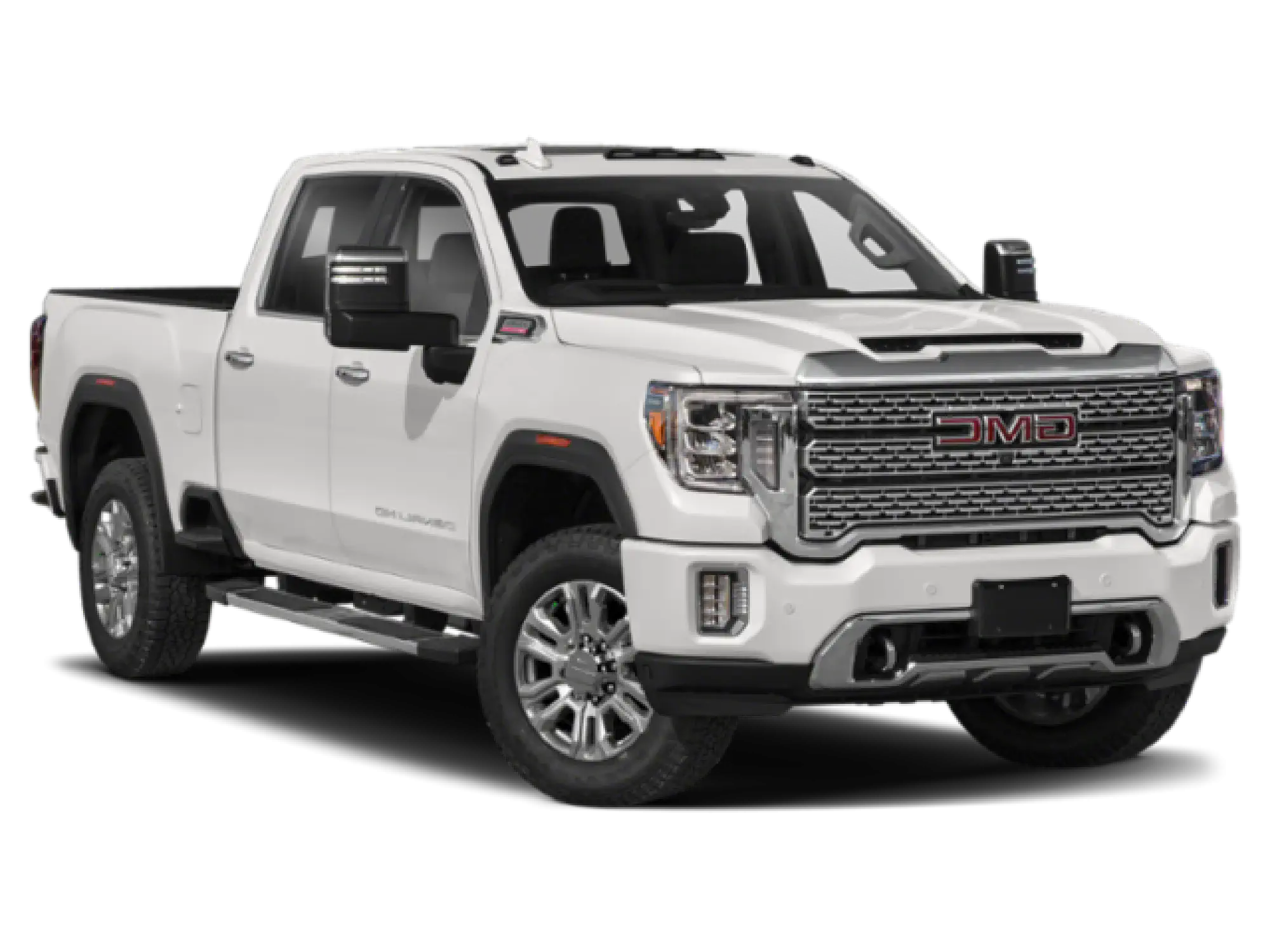
GMC Sierra 1500 buyers have increasingly turned to the 3.0-liter Duramax turbo-diesel for its combination of torque, towing capability, and highway efficiency.
Current versions produce 305 horsepower and 495 lb-ft of torque, while GMC lists a maximum available towing capacity of up to 13,300 pounds when properly configured.
For owners researching Sierra Duramax 3.0 Diesel Problems, two areas deserve particular attention: the high-pressure fuel injection system and the diesel exhaust fluid, or DEF, emissions system. Neither means every Duramax-powered Sierra will experience trouble, but both involve expensive components that can turn an illuminated warning light into a substantial repair bill.
GMC introduced the 3.0-liter Duramax in the Sierra 1500 for the 2020 model year. Early trucks used the LM2 version, while newer models transitioned to the LZ0, which remains available in the 2026 Sierra 1500. GMC currently pairs the engine with a 10-speed automatic transmission.
Modern diesel engines rely on exceptionally precise fuel delivery and sophisticated emissions equipment. That technology helps the Duramax produce strong low-speed torque while meeting emissions requirements, but it also means there are more sensors, pumps, injectors, control modules, and related components that can require diagnosis as a truck ages.
Fuel-system symptoms can include difficult starting, rough running, reduced power, abnormal engine noise, excessive exhaust smoke, or a check-engine light. DEF-system trouble may instead produce emissions-related warnings, a DEF-quality message, a check-engine light, or eventually a restriction on vehicle operation if an emissions problem is not corrected.
Owners should avoid assuming that every warning message indicates a failed part. Diesel diagnostics can be complicated, and trouble codes often identify the system detecting a problem rather than conclusively identifying the component that needs replacement.
Fuel injectors are among the most important precision components in a modern common-rail diesel engine. They must deliver extremely small and accurately timed quantities of diesel fuel under very high pressure.
When an injector stops operating correctly, combustion quality can suffer. Depending on the failure, an owner might notice a rough idle, longer cranking time, hesitation, reduced fuel economy, smoke, or an illuminated check-engine light.
GM documentation concerning 2020 Sierra 1500 models equipped with the LM2 3.0-liter diesel shows that diesel fuel injectors and the injection pump were among components monitored as part of GM’s quality-improvement efforts during the engine’s early production period.
That history should not be interpreted to mean fuel-injector failure is inevitable. A used-truck buyer should instead treat injector performance as one item on a broader diesel inspection checklist.
A technician investigating suspected injector trouble may look at diagnostic trouble codes, fuel-rail pressure, injector balance or correction information, fuel quality, starting performance, and other operating data before recommending replacement.
| Possible Symptom | Potential Area to Investigate |
|---|---|
| Rough or uneven idle | Injector operation, fuel pressure, combustion |
| Extended cranking | Fuel delivery, pressure buildup, electrical controls |
| Loss of power | Fuel pressure, injector output, turbo or emissions system |
| Excessive smoke | Fuel delivery or combustion problem |
| Check engine light | Scan for stored diagnostic trouble codes |
| Poor fuel economy | Injector performance, emissions operation, driving conditions |
Proper diagnosis matters because replacing injectors without verifying the underlying problem can become an expensive guessing exercise.
DEF is not a fuel additive. It is a separate fluid used by the selective catalytic reduction system to help control diesel exhaust emissions.
GM’s ACDelco DEF is formulated from high-purity urea and deionized water and meets applicable API and ISO 22241 requirements. GMC also specifies that DEF should be placed only in the designated DEF tank and should not be mixed with another vehicle fluid.
A modern DEF system can involve the fluid tank, pump, heater, injector, sensors, lines, wiring, control electronics, and selective catalytic reduction hardware. A fault anywhere in that chain can generate an emissions warning.
Contamination is particularly important. GM service information has documented DEF-quality warnings and other concerns associated with contamination in DEF systems on 3.0-liter LM2 Sierra 1500 models. This is one reason clean handling and the correct DEF specification matter.
Cold temperatures are another consideration. DEF naturally freezes at approximately 12 degrees Fahrenheit, so diesel vehicles are engineered with systems intended to manage DEF operation in cold conditions.
A warning therefore does not automatically mean the entire DEF system needs replacement. Proper troubleshooting should determine whether the issue involves fluid quality, a sensor, an electrical problem, an injector, a pump, a heater, software, or another emissions component.
Diesel repair costs vary significantly by model year, labor rate, location, diagnostic findings, and whether one component or several must be replaced. Complex fuel-system and emissions-system work can also require additional diagnostic time before the actual repair begins.
The following ranges are broad planning estimates rather than quotes.
| Repair or Service | Approximate Cost Range |
|---|---|
| Diesel diagnostic inspection | $150 to $300 |
| DEF injector repair or replacement | $300 to $600 |
| DEF sensor-related repair | $300 to $1,000+ |
| DEF pump or tank assembly work | $1,000 to $2,000+ |
| Single diesel fuel injector replacement | $600 to $1,200+ |
| Multiple injector replacement | $2,000 to $4,000+ |
| Major high-pressure fuel-system repair | $3,000 to $6,000+ |
Actual bills can fall below or above these ranges. For example, the component causing a DEF warning might be relatively inexpensive, while a contaminated system or major assembly replacement can cost considerably more.
Labor also matters. Some diesel components require substantial disassembly or specialized diagnostic procedures, so a relatively small part can still generate a large invoice.
Before authorizing an expensive repair, ask the shop to identify the diagnostic codes, test results, failed component, and reason replacement is recommended.
Consistent maintenance cannot eliminate every injector or emissions-system failure, but it can reduce avoidable problems and make abnormal behavior easier to identify early.
Use diesel fuel from reputable, high-volume stations whenever practical. Fuel contamination can create serious problems in high-pressure diesel systems, and putting gasoline into a diesel truck can cause extremely expensive damage.
Follow GMC’s recommended fuel-filter maintenance schedule for your specific model year and operating conditions. Avoid extending fuel-filter intervals simply because the truck appears to be running normally.
DEF deserves similar attention. Use fluid that meets the specification listed in the owner’s manual, keep dispensing equipment clean, and never add water, fuel, or another chemical to the DEF tank. GMC specifically advises keeping DEF handling equipment clean and free of dirt or dust.
Drivers should also pay attention to warning messages instead of clearing codes and continuing to drive indefinitely. A seemingly minor emissions or fuel-system fault may become more expensive if another component is affected.
Keep maintenance receipts as well. A documented history can help technicians understand previous work and may also be valuable when selling or trading the truck.
A Technical Service Bulletin, commonly called a TSB, is manufacturer-issued service information that helps dealership technicians diagnose or repair known vehicle conditions. A TSB is not automatically a recall, and its existence does not necessarily mean a repair will be performed free of charge.
Owners researching a Sierra should search for TSB information using the truck’s model year, engine, and VIN where appropriate. NHTSA maintains vehicle safety, complaint, investigation, recall, and manufacturer-communication resources that owners can use when researching their vehicles.
Rather than assuming an internet forum post applies to every 3.0-liter Duramax, owners should check current information for their specific truck. Production changes, software revisions, engine generations, and component updates can make two apparently similar Sierras very different from a diagnostic standpoint.
Fuel-injector and DEF-system concerns are worth understanding, but they should be viewed in context.
Modern diesel trucks are inherently more complex than older diesels. High-pressure injection, electronic engine controls, turbocharging, exhaust aftertreatment, DEF injection, and numerous sensors all contribute to performance and emissions compliance.
That complexity can increase repair exposure as mileage accumulates.
At the same time, the 3.0-liter Duramax provides capability that makes it attractive for Sierra buyers. GMC’s current 3.0-liter engine delivers 305 horsepower and 495 lb-ft of torque, and GMC advertises up to 13,300 pounds of available maximum towing capacity in properly equipped Sierra 1500 configurations.
Owners planning to keep a Duramax Sierra well beyond its original warranty period should simply account for the possibility of diesel-specific repairs. A pre-purchase inspection, complete maintenance history, diagnostic scan, and understanding of remaining warranty coverage are especially valuable when shopping for a used truck.
Unexpected diesel repairs become more financially significant once a Sierra is outside its original warranty period. Fuel-delivery, emissions, turbocharger, electronic, and drivetrain systems contain components that can produce four-figure repair bills.
An extended vehicle protection plan can help make long-term ownership expenses more predictable when an eligible mechanical failure occurs. Coverage varies by contract, vehicle, mileage, component, and exclusion, so owners should always review the actual plan terms before purchasing.
Granger Warranty offers extended coverage options with transparent pricing and an online purchase process. Owners considering coverage should compare eligibility, term length, deductible, covered components, exclusions, transferability, and claims procedures rather than choosing solely on price.
For diesel owners in particular, it is worth confirming how the plan addresses fuel-system, emissions-related, electrical, and engine components. No service contract should be assumed to cover every possible DEF or injector repair.
Fuel injectors are a potential repair point on any modern high-pressure common-rail diesel engine. GM documentation shows that injectors and the injection pump on early 2020 LM2-equipped Sierra 1500 trucks were monitored during quality-improvement efforts, but that does not establish that every truck or every model year will experience injector failure.
Owners should watch for hard starting, rough running, smoke, power loss, or diagnostic trouble codes and have those symptoms properly diagnosed before replacing injectors.
Possible signs include a check-engine light, DEF warning, fluid-quality warning, reduced-power message, or another emissions-system alert.
Those symptoms do not identify the failed component by themselves. Diagnosis may involve checking DEF quality, sensors, wiring, the injector, pump, heater, control system, and other emissions hardware.
A DEF warning should not be ignored. The appropriate response depends on the exact warning and diagnostic condition, and some unresolved emissions faults can eventually result in operating restrictions.
Check the owner’s manual for the message displayed by your truck and arrange diagnosis promptly if the warning remains after verifying the DEF level and other basic requirements.
Follow the maintenance schedule, change the fuel filter when required, purchase quality diesel fuel, use properly specified DEF, and keep contaminants away from the DEF system.
Address warning lights early and maintain detailed service records. Preventive maintenance cannot guarantee that an injector, sensor, pump, or electronic component will never fail, but it can reduce avoidable problems.
Coverage depends entirely on the specific contract and the cause of failure. Some mechanical and electrical components may qualify under an applicable plan, while maintenance items, contaminated fuel or fluids, improper servicing, emissions-related exclusions, and other conditions may affect coverage.
Read the plan carefully and verify coverage before assuming a particular injector or DEF-system repair will be paid. Granger Warranty can provide plan-specific information for eligible vehicles.
GMC’s 3.0-liter Duramax offers an appealing blend of diesel torque, towing ability, and efficiency, but long-term owners should understand the potential expense associated with its high-pressure fuel and emissions systems.
Maintenance, early diagnosis, and a well-documented service history are the first lines of defense. Owners who also want protection against certain eligible mechanical repair expenses after applicable original coverage expires can explore options through Granger Warranty.
Review the available terms, deductibles, covered components, exclusions, and eligibility requirements before purchasing. For a Sierra owner planning to keep a 3.0-liter Duramax for years and many miles, understanding those details now can make future repair decisions considerably easier.
Stay up to date with the latest news from Granger Warranty