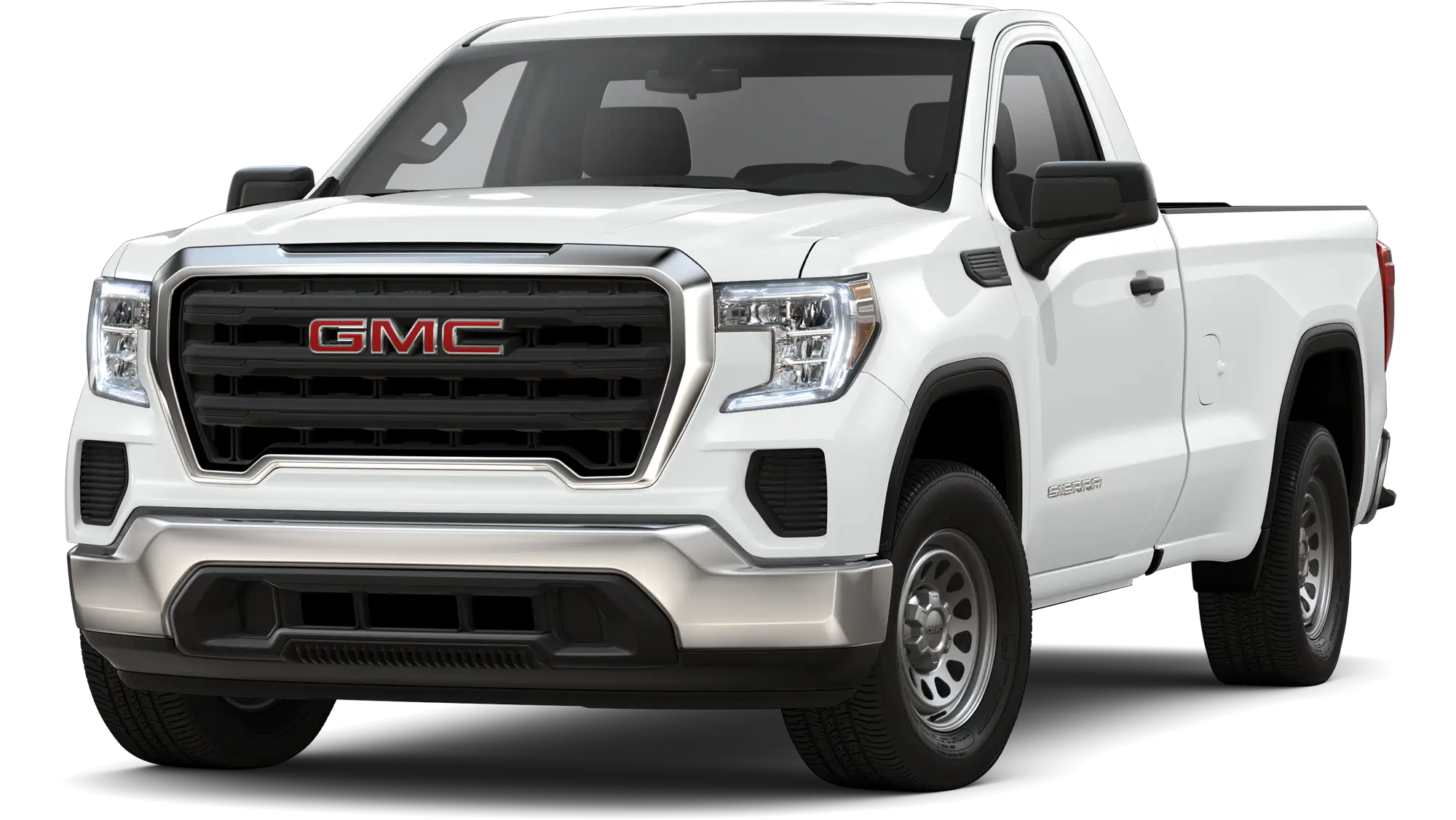
GMC Sierra Power Steering Assist Module Failure
GMC Sierra trucks are built around capability, but steering assistance is one system drivers rarely think about until something goes wrong.
A GMC Sierra Power Steering Failure can suddenly make the steering wheel much harder to turn, trigger warning messages, or cause intermittent changes in steering effort that are especially noticeable while parking or maneuvering at low speeds.
Modern Sierra 1500 models use electric power steering on many configurations rather than the traditional hydraulic pump-and-fluid arrangement found on older trucks. Electric power steering, commonly called EPS, reduces the effort required to turn the wheels by using an electric motor, sensors, electronics, and a control module.
When a module, electrical connection, motor, steering gear component, or related power supply develops a problem, the driver can experience reduced or lost steering assist. Because steering is a safety-critical system, symptoms deserve prompt diagnosis rather than a wait-and-see approach.
One of the clearest signs of a steering assist problem is a steering wheel that suddenly requires significantly more effort. Drivers often notice this most while pulling into a parking space, making a low-speed turn, or maneuvering a trailer.
A warning such as “Service Power Steering” may also appear in the driver information center. Depending on the nature of the fault, steering assistance can remain unavailable or operate intermittently.
Common symptoms can include:
A loss of assist does not necessarily mean the steering wheel becomes physically disconnected from the front wheels. NHTSA documentation for certain affected Sierra vehicles explains that steering control can remain possible in manual mode, but considerably greater driver effort may be required, particularly at low speeds.
Drivers should not assume every heavy-steering complaint means the power steering assist module itself has failed. Battery voltage, wiring, connectors, grounds, software, sensors, the electric assist motor, and the steering gear can produce overlapping symptoms.
Electric power steering depends heavily on stable electrical power and communication between multiple components. Instead of a belt-driven hydraulic pump creating steering pressure, an EPS system uses electronic inputs to determine how much assistance the driver needs.
The steering control system monitors factors such as steering input and vehicle operating conditions. The electric motor then supplies assistance as needed. A failure anywhere in that chain can affect steering effort.
Potential causes include electrical faults, damaged wiring or connectors, poor grounds, low system voltage, control-module problems, software issues, steering sensors, assist-motor faults, or internal steering gear problems.
Past recalls illustrate why diagnosis matters. NHTSA documented a recall involving certain 2014 GMC Sierra 1500 trucks in which an electrical/software issue could cause temporary EPS assist loss followed by its sudden return, particularly during low-speed turns.
NHTSA also documented a separate recall affecting certain 2015 Sierra 1500 trucks in which EPS assist could be momentarily lost and then return. The prescribed repair for that recall was an EPS module software update, showing why replacing hardware without first checking recall status and diagnostic information can lead to unnecessary expense.
Owners can check current recall status using their VIN through the NHTSA recall lookup.
Repair expense depends heavily on what technicians find. A voltage or connection problem is a very different repair from replacement of an electronic steering gear assembly.
A professional diagnosis should generally begin with a scan for diagnostic trouble codes and an inspection of the electrical system. Battery condition, charging voltage, grounds, wiring, connectors, software status, and steering-system data can all be relevant.
RepairPal specifically notes that a power steering control module problem can imitate a steering rack problem and recommends proper diagnosis before an expensive rack replacement.
Approximate expenses can look like this:
| Service Or Repair | Approximate Cost Range |
|---|---|
| Initial steering/electrical diagnosis | $100-$250+ |
| Battery, terminal, ground, or wiring-related repair | $100-$600+ |
| Software programming or module-related service | $150-$500+ |
| Steering sensor or related electrical component | $300-$900+ |
| Major steering gear/rack replacement | $1,700-$2,500+ |
| Alignment after steering repairs, if required | $100-$250+ |
These figures are general estimates rather than quotes. Labor rates, model year, drivetrain configuration, parts requirements, taxes, diagnostic time, and regional pricing can substantially change the final bill.
As a useful reference point, RepairPal’s September 2026 estimate puts average GMC Sierra 1500 rack-and-pinion replacement at approximately $1,928 to $2,072, including estimated labor of $307 to $450 and roughly $1,622 in parts.
RepairPal lists a 2024 Sierra 1500 steering rack replacement at approximately $1,730 to $1,867, illustrating how costs can vary by model year.
Electric steering systems do not have the same routine fluid-service requirements as conventional hydraulic power steering, but that does not make them maintenance-free. Electrical-system health becomes particularly important.
Keep the battery and charging system in good condition. Low or unstable voltage can create unusual behavior across electronically controlled vehicle systems, so an aging battery or charging problem should not be ignored.
Battery terminals and major grounds should remain clean and secure. If warning lights begin appearing across several systems at once, checking system voltage and connections can be an important part of diagnosis.
Owners should also avoid ignoring intermittent steering warnings simply because the message disappears after restarting the truck. An intermittent condition can leave diagnostic information stored in the vehicle’s modules that helps a technician identify the underlying problem.
Aftermarket electrical equipment deserves attention as well. Accessories that place additional demand on the charging system or are installed with poor wiring practices can complicate electrical diagnosis.
Finally, have unusual steering behavior inspected early. Diagnosing a wiring, voltage, or software problem before replacing major components can potentially prevent an unnecessary four-figure repair.
A Technical Service Bulletin, or TSB, is information issued by an automaker to help dealership technicians diagnose or repair known vehicle conditions. A TSB is not automatically a recall, and its existence does not necessarily mean a repair will be performed at no charge.
Rather than relying on forum posts or individual bulletin numbers that may not apply to a particular truck, owners can search for manufacturer communications and safety information through the NHTSA website. Enter the Sierra’s model year and vehicle information to research applicable records, and use the VIN recall lookup to determine whether an open safety recall applies to the specific truck.
This distinction is important because some steering complaints have been addressed through recall campaigns. Certain 2014 Sierra 1500 trucks, for example, were included in a large recall involving temporary loss of EPS assist, with dealers instructed to update EPS module software.
Any unexplained loss or major reduction in steering assistance should be treated seriously. NHTSA has specifically stated in previous Sierra-related recalls that temporary loss of EPS assist can increase crash risk, particularly when it occurs during low-speed steering maneuvers.
That does not mean every Sierra is destined to develop a power steering problem. Recall applicability varies by model year, production period, and VIN, while steering complaints outside recall populations can have many different causes.
If steering assist disappears while driving, maintain control of the truck and move to a safe location when conditions allow. Expect the steering wheel to require considerably more effort, especially at low speeds. A truck displaying persistent steering warnings or unusually heavy steering should be professionally inspected before normal driving continues.
Checking recall status should also be part of the process. A covered safety recall is handled differently from an ordinary customer-pay repair, so verifying the VIN before authorizing expensive parts replacement can be worthwhile.
Modern trucks contain increasingly sophisticated electronic, mechanical, and computerized systems. Steering gear assemblies, control electronics, sensors, cameras, infotainment components, drivetrain hardware, and other systems can make post-warranty repairs expensive.
Depending on the specific plan, contract terms, vehicle eligibility, and cause of failure, eligible steering and electrical components may be covered by an extended vehicle protection plan. Coverage should always be confirmed before repairs are authorized because exclusions, deductibles, maintenance requirements, and covered-component definitions vary.
For owners planning to keep a Sierra after its original warranty expires, Granger Warranty provides extended coverage options with straightforward online pricing. Comparing coverage before the truck develops an expensive problem allows owners to understand their options without the pressure of an active repair bill.
A Sierra may remain mechanically steerable after electric assist is lost, but steering effort can increase substantially, especially at low speeds. NHTSA has identified loss of steering assist as a safety concern on previously recalled Sierra populations, so the condition should be inspected promptly.
No. Control-module problems, electrical faults, software, voltage issues, wiring, sensors, and other components can produce similar symptoms. RepairPal specifically cautions that control-module problems can imitate rack problems, making diagnosis important before replacing the steering assembly.
Costs range considerably depending on the failure. A relatively straightforward electrical or programming repair may cost a few hundred dollars, while a complete steering rack or gear replacement can approach or exceed $2,000. RepairPal currently estimates average Sierra 1500 rack-and-pinion replacement at $1,928 to $2,072.
Yes, certain Sierra model years and production populations have been included in EPS-related safety recalls. For example, NHTSA records document temporary EPS-assist-loss recalls involving certain 2014 and 2015 Sierra 1500 trucks. Recall eligibility should always be checked by VIN rather than assumed from model year alone.
Potentially. Coverage depends on the specific service contract, covered components, exclusions, eligibility, and cause of failure. Owners should review the contract and obtain authorization as required before repairs begin.
A steering warning can be inexpensive if the cause is programming or a minor electrical problem, but replacement of major steering hardware can turn into a four-figure repair. Proper diagnosis, VIN-based recall research, and early attention to electrical or steering symptoms are the best first steps.
Sierra owners who want additional protection after their original warranty period can explore coverage options and pricing at Granger Warranty. Review the available terms and covered components to determine how a plan fits your truck and expected ownership period before an unexpected repair appears.
Stay up to date with the latest news from Granger Warranty