GMC Sierra vs Chevy Silverado: Is There a Real Reliability Difference?
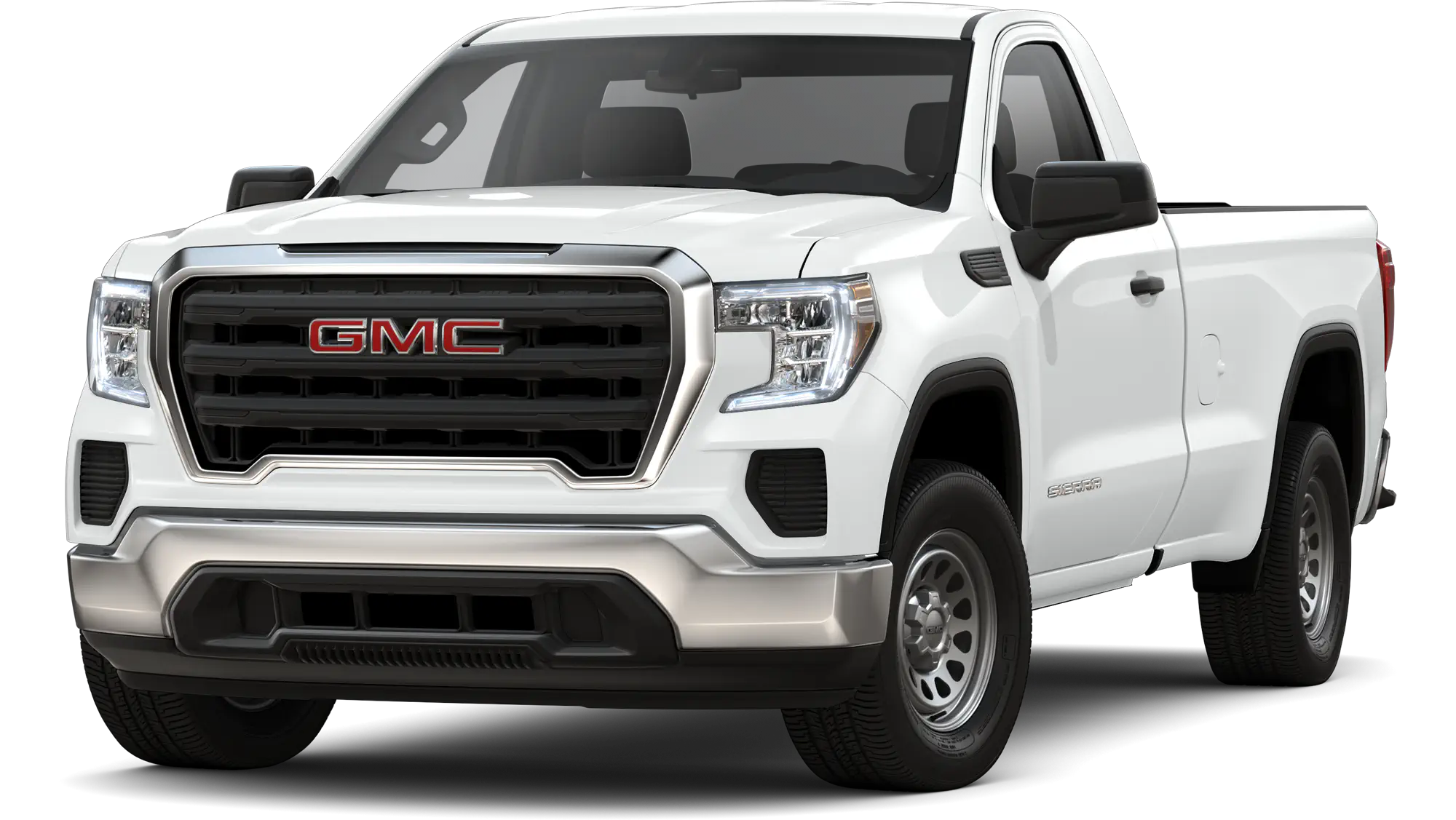
When shopping for a full-size pickup, one of the biggest questions buyers ask is about GMC Sierra vs Chevy Silverado reliability.
Since both trucks are built by General Motors and share many of the same engines, transmissions, and chassis components, many assume reliability is identical. In reality, while their mechanical foundations are nearly the same, ownership experience can differ depending on trim level, technology packages, maintenance history, and model year.
Whether you’re purchasing a new truck or considering a used model with higher mileage, understanding common issues, repair costs, and warranty options can help you make a more informed decision.
Comparing GMC Sierra vs Chevy Silverado reliability starts with understanding that both trucks share much of their engineering. The Silverado and Sierra ride on GM’s T1 platform and offer many of the same powertrains, including:
| Shared Component | Available in Both Trucks |
|---|---|
| 2.7L TurboMax I4 | Yes |
| 5.3L EcoTec3 V8 | Yes |
| 6.2L EcoTec3 V8 | Yes |
| 3.0L Duramax Turbo Diesel | Yes |
| 10-Speed Automatic Transmission | Yes |
| Four-Wheel Drive System | Yes |
Because these major mechanical systems are nearly identical, long-term durability tends to be very similar. Differences are more noticeable in available luxury features, interior electronics, suspension tuning, and trim-specific equipment.
The GMC Sierra typically offers more premium materials and technology on higher trims like Denali and Denali Ultimate. Those additional features can introduce more electronic components that may require service over time.
The Silverado, particularly in WT, Custom, and LT trims, offers a simpler configuration that some owners view as easier and less expensive to maintain.
Neither truck is immune to repairs. Some issues have appeared across multiple generations because both models use many shared components.
Common owner-reported concerns include:
| Common Issue | Typical Models Affected |
|---|---|
| Lifter failures on Active Fuel Management engines | Primarily 5.3L and 6.2L V8 |
| Transmission shudder | Certain 8-speed automatic models |
| Infotainment screen glitches | Various 2019+ models |
| Electronic brake module warnings | Select model years |
| HVAC actuator failures | Multiple generations |
| Fuel injector issues | Some gasoline engines |
Most of these problems are not universal, but they occur often enough for prospective buyers to research specific model years before purchasing.
Regular maintenance and software updates often reduce the likelihood of experiencing many electronic-related complaints.
Repair costs vary depending on engine choice, mileage, and whether repairs involve mechanical or electronic components.
Here are approximate repair costs owners may encounter outside warranty coverage.
| Repair | Estimated Cost |
|---|---|
| Lifter replacement | $3,000 to $6,500 |
| Transmission replacement | $4,500 to $8,000 |
| Torque converter repair | $1,500 to $3,500 |
| HVAC actuator replacement | $300 to $900 |
| Infotainment module replacement | $900 to $2,000 |
| Fuel injector replacement | $700 to $2,000 |
Luxury Sierra trims equipped with advanced driver assistance systems, premium suspension components, or larger infotainment systems may sometimes have slightly higher repair costs due to additional equipment.
When researching GMC Sierra vs Chevy Silverado reliability, it is important to understand Technical Service Bulletins, commonly called TSBs.
A TSB is a communication issued by the manufacturer to dealerships describing known problems, updated repair procedures, revised software calibrations, or improved replacement parts. Unlike recalls, TSBs do not require manufacturers to repair vehicles at no charge unless the vehicle remains under warranty.
Owners can search for TSB information through the National Highway Traffic Safety Administration (NHTSA) website at NHTSA.gov, dealership service departments, or manufacturer service databases. Reviewing TSBs before buying a used truck can provide valuable insight into recurring issues and available repair procedures.
Routine maintenance remains one of the biggest factors affecting long-term reliability.
Recommended maintenance practices include:
Owners who stay ahead of preventative maintenance often experience significantly fewer expensive repairs after 100,000 miles.
For most buyers, reliability should be evaluated by model year rather than simply choosing between GMC and Chevrolet.
Both trucks have demonstrated the ability to exceed 200,000 miles when properly maintained.
Buyers should pay particular attention to:
A well-maintained Silverado will almost always outperform a neglected Sierra, and the opposite is equally true.
Choosing between the two often comes down to styling, interior features, available luxury equipment, and price rather than measurable differences in mechanical durability.
As trucks become more advanced, repair costs continue to increase. Modern powertrains, sophisticated electronics, adaptive suspension systems, and driver assistance technology can all add significantly to ownership expenses once the original manufacturer’s warranty expires.
Drivers planning to keep their Sierra or Silverado for many years may benefit from an extended vehicle protection plan that helps manage unexpected repair costs. Granger Warranty offers transparent pricing, nationwide coverage, and plans designed to help owners protect against expensive mechanical repairs. You can compare available coverage options by visiting Granger Warranty.
Not significantly. Since both trucks share most major mechanical components, overall reliability is very similar. Differences usually come down to maintenance history, model year, and trim-specific technology.
Repair costs are generally comparable because both vehicles use many of the same engines and transmissions. Higher-end Sierra trims may occasionally cost more to repair due to additional luxury features and electronics.
Yes. Certain 5.3L and 6.2L V8 engines equipped with Active Fuel Management or Dynamic Fuel Management have experienced lifter-related issues in both the Sierra and Silverado.
Premium Sierra trims often retain strong resale value due to luxury features, while Silverado models also perform well thanks to broad market demand. Overall resale depends more on condition, mileage, and maintenance than the badge on the grille.
Both trucks can provide excellent long-term ownership when properly maintained. Buyers should focus on finding the best-maintained example with documented service records rather than choosing solely based on the GMC or Chevrolet name.
Choosing between the Sierra and Silverado often comes down to styling and features because their mechanical reliability is closely matched. Regardless of which truck you own, unexpected repairs can become expensive as mileage increases.
Before your original warranty expires, explore vehicle protection plans from Granger Warranty to help reduce the financial impact of major repairs. Learn more about available coverage options and request a quote at Granger Warranty.
Stay up to date with the latest news from Granger Warranty