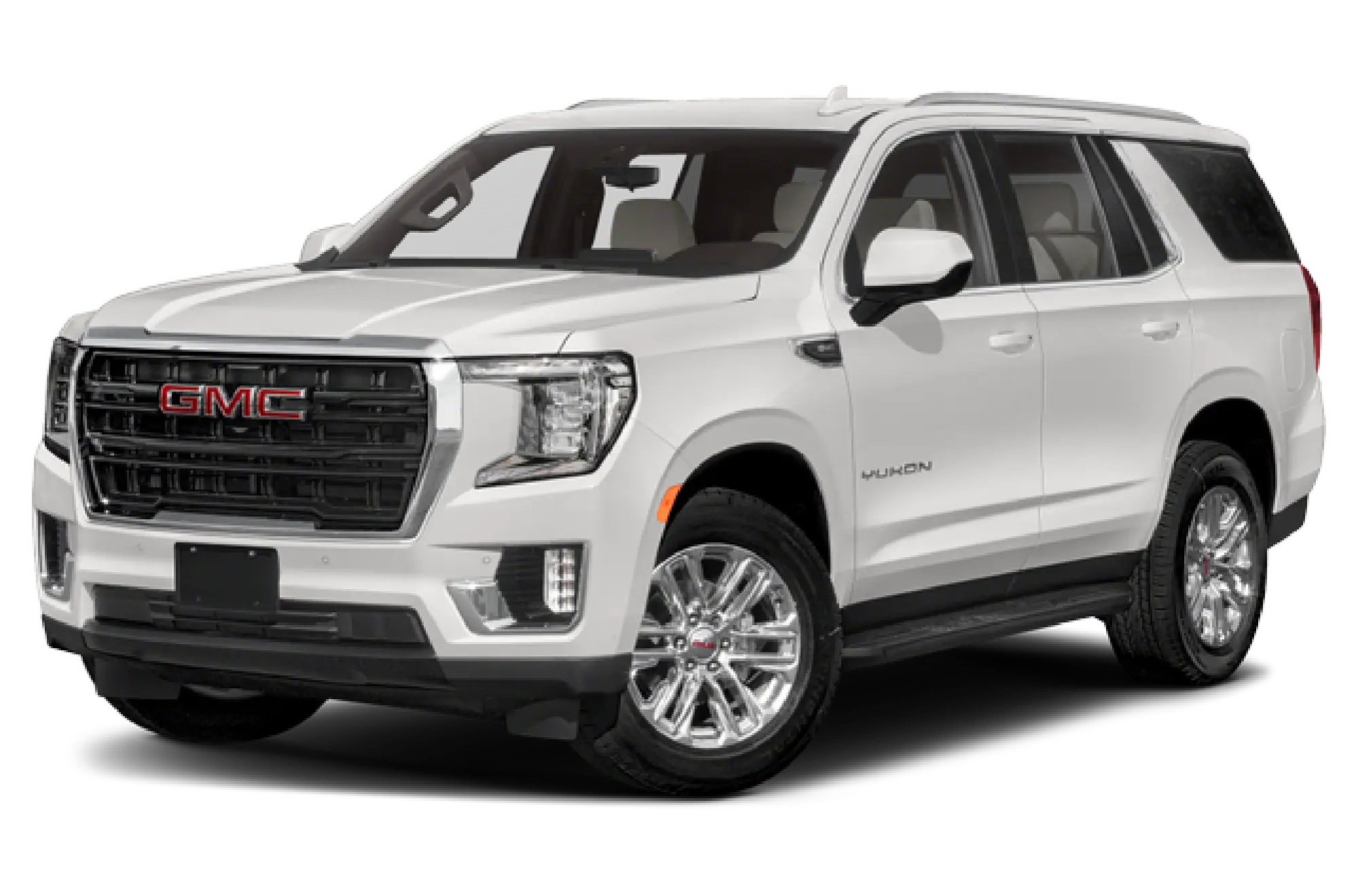
GMC Yukon Denali Air Ride Compressor Failure and Height Sensor Codes
GMC Yukon Denali models equipped with Air Ride Adaptive Suspension deliver one of the full-size SUVs’ most useful combinations of comfort, load leveling, and adjustable ground clearance. When everything works correctly, the system can automatically compensate for passengers and cargo while allowing the driver to select different ride heights for certain driving conditions.
Yukon Denali Air Ride Compressor Failure can change that experience quickly. A weak compressor, leaking air spring, damaged height sensor, electrical problem, or related suspension fault may leave the SUV sitting unevenly, refusing to change height, or displaying a “Service Leveling System” warning.
Understanding how the system works and recognizing early symptoms can help Yukon owners avoid replacing expensive parts unnecessarily.
Air Ride Adaptive Suspension uses air springs and an electrically driven compressor to control vehicle height. Sensors monitor suspension position, while the control system determines when air needs to be added or released.
GMC notes that the system can automatically detect passenger or cargo loads and adjust vehicle height. Depending on the Yukon’s equipment and operating conditions, drivers can also select different ride heights, including Normal Height, Increased Ground Clearance, Maximum Ground Clearance, and Entry/Exit Height.
When a fault develops, symptoms can vary considerably.
Common warning signs include:
A warning message does not automatically mean the compressor has failed. GMC specifically identifies air-spring leaks, compressor problems, sensor malfunctions, and other system faults as possible causes of a Service Leveling System message.
That distinction matters because replacing a compressor without identifying the reason it failed can lead to another expensive repair.
A Yukon Denali air suspension system relies on multiple mechanical, pneumatic, electronic, and sensor components working together. A fault in one area can sometimes produce symptoms that appear to point toward another component.
An air leak is one of the most important possibilities to investigate. If an air spring, line, fitting, or related pneumatic component loses pressure, the compressor may have to operate more frequently to maintain the requested height.
Excessive compressor operation creates additional heat and wear. GMC notes that frequent raising and lowering can overheat the air suspension system and temporarily make height adjustment unavailable while the system cools.
Height or suspension-position sensors present another potential trouble spot. These sensors tell the suspension controller where each corner of the vehicle is positioned.
GM service information illustrates just how closely the system monitors these measurements. Diagnostic data can include individual suspension-position sensor readings, offsets from normal trim height, air-spring pressure, and reservoir pressure.
A damaged sensor, linkage problem, wiring issue, connector fault, or implausible sensor signal can therefore interfere with normal leveling operation.
| Potential Problem | Possible Driver Symptom | Typical Diagnostic Focus |
|---|---|---|
| Weak or failed compressor | Vehicle will not raise | Compressor output and electrical supply |
| Air leak | Vehicle sinks after sitting | Air springs, lines, fittings, and pressure loss |
| Height sensor fault | Uneven height or warning message | Sensor readings, linkage, wiring, and calibration |
| Electrical fault | Compressor may not operate | Fuse, wiring, connectors, power, and ground |
| Compressor overheating | Leveling temporarily unavailable | Excessive cycling or repeated height adjustments |
| Calibration issue | Incorrect or uneven ride height | Sensor data and suspension calibration |
Correct diagnosis is especially important because several failures can exist simultaneously. For example, an air leak may overwork the compressor until the compressor eventually becomes weak as well.
Air suspension repairs can range from relatively straightforward electrical or sensor work to four-figure compressor or air-spring repairs.
RepairPal currently estimates a GMC Yukon active suspension air compressor replacement at roughly $913 to $1,005, including approximately $196 to $288 in labor and about $717 in parts. Its model-year estimates for 2021 through 2026 Yukons span roughly $892 to $1,057. Actual prices depend on model year, labor rates, parts selection, taxes, diagnostic time, and whether additional suspension problems are discovered.
| Service or Repair | Approximate Cost Consideration |
|---|---|
| Suspension diagnostic inspection | Often $100 to $250+ depending on shop and diagnostic depth |
| Compressor replacement | Roughly $900 to $1,100 based on published Yukon estimates |
| Height sensor repair or replacement | Often several hundred dollars depending on sensor and labor |
| Wiring or connector repair | Highly dependent on fault location |
| Air spring replacement | Can reach several hundred dollars per corner or more |
| Multiple-component repair | Can exceed $1,500 when several faults are present |
The non-compressor figures above are broad planning ranges rather than GMC-published repair prices. Owners should obtain a VIN-specific estimate before authorizing repairs.
A proper diagnostic procedure should come before major parts replacement. A technician may scan the suspension control system for stored codes, compare commanded and actual ride height, examine sensor readings, inspect wiring and linkages, check pressure data, and test the system for leaks.
Owners should also remember that a compressor failure may be the result rather than the original cause. Installing a new compressor while leaving an air leak unresolved can put the replacement unit under the same excessive workload.
Air suspension is not completely maintenance-free, but careful observation can help catch problems before they become larger repairs.
Pay attention to how the Yukon sits after being parked for several hours. A corner that repeatedly drops lower than the others deserves investigation, particularly if the vehicle returns to normal height after startup.
Listen to compressor operation as well. A compressor that suddenly begins running much more frequently may be compensating for pressure loss somewhere in the system.
GMC also cautions that frequent raising and lowering can overheat the air suspension system. If this occurs, the vehicle can display a Leveling System Unavailable message and may require up to approximately 15 minutes before height adjustment becomes available again.
Drivers should distinguish that temporary operating condition from a persistent failure. If the warning repeatedly returns during ordinary use, diagnosis is appropriate.
Keep suspension components reasonably clean when driving in areas exposed to mud, road salt, or heavy winter grime. Visual inspections of exposed sensor linkages, wiring, and suspension components can sometimes reveal physical damage before it causes a more disruptive fault.
Avoid ignoring a Yukon that repeatedly sinks while parked. Repeatedly asking the compressor to restore lost pressure may place unnecessary stress on an already heavily used component.
An occasional temporary leveling message does not necessarily mean an expensive component has failed. Operating conditions can temporarily prevent ride-height adjustments, including frequent suspension operation, heavy loads, an open door or hood, certain drive modes, or other system conditions.
Persistent warnings are different.
A Yukon that repeatedly sits low, loses height overnight, cannot achieve the selected ride height, or continually runs its compressor should be inspected. Air suspension problems rarely become easier to diagnose after several months of ignored symptoms.
Safety and drivability should also guide the decision. Significant suspension-height abnormalities can affect handling characteristics, headlight aim, ground clearance, towing behavior, and how the vehicle responds to changing loads.
Owners should not automatically assume that every stored suspension code requires a compressor. Height-sensor data, air leaks, electrical faults, and compressor performance need to be evaluated together before reaching a repair decision.
A Technical Service Bulletin, commonly called a TSB, is manufacturer communication that gives technicians information about known conditions, diagnostic procedures, repair methods, software changes, or other service topics. A TSB is not automatically the same thing as a safety recall, and its existence does not necessarily mean a repair will be performed free of charge.
Rather than relying on a list that may become outdated, Yukon owners can search manufacturer communications themselves through the NHTSA recall and manufacturer communications database. NHTSA explains that consumers can search by year, make, and model and access manufacturer communications associated with a vehicle.
Using the exact model year is important because suspension hardware, software, diagnostic procedures, and available features can differ across Yukon generations.
Modern Yukon Denali models contain considerably more technology than a conventional coil-spring SUV. Air suspension adds compressors, air springs, sensors, valves, electronic modules, wiring, and software-controlled functions that can create additional repair exposure as the vehicle ages.
That does not mean owners should avoid the system. Air Ride Adaptive Suspension provides real benefits, particularly automatic leveling, easier entry and exit, adjustable clearance, and ride-height management under different driving conditions.
It does mean long-term owners should understand what their warranty or vehicle service contract actually covers.
Before purchasing extended protection, read the contract carefully and verify coverage for components such as electronically controlled suspension hardware, compressors, sensors, control modules, and related electrical equipment. Coverage varies by plan, vehicle, eligibility, and the cause of the failure.
Granger Warranty gives eligible vehicle owners a way to compare extended coverage options and pricing online. For a technology-heavy SUV such as the Yukon Denali, evaluating protection before the original warranty expires can make future ownership costs easier to plan.
Common signs include a Yukon that will not raise, repeated leveling-system warnings, frequent compressor operation, or suspension that remains unusually low. GMC also notes that compressor failure, air-spring leaks, and sensor malfunctions can trigger a Service Leveling System message.
Yes. Suspension-position information is part of the system’s ride-height control strategy, so faulty sensor information can interfere with normal operation.
A technician should inspect live sensor readings, wiring, linkage condition, system pressure, and compressor operation before replacing expensive components.
Loss of height while parked can point toward pressure escaping from an air spring, fitting, line, valve, or another pneumatic component. The exact source requires leak testing because visible vehicle sag alone cannot identify the failed part.
Repeated pressure loss can also cause additional compressor operation when the vehicle attempts to restore normal height.
That depends on the warning and the vehicle’s actual condition. Temporary Leveling System Unavailable messages can occur under certain operating conditions, but GMC advises dealership service when a Service Leveling System message appears.
A Yukon that is severely uneven, sitting unusually low, or behaving abnormally should be inspected before continued driving or towing.
RepairPal estimates GMC Yukon active suspension compressor replacement at approximately $913 to $1,005 on average, with some recent model-year estimates approaching roughly $1,057.
The total can increase if diagnosis reveals an air leak, failed sensor, damaged wiring, air-spring problem, or another component that contributed to the compressor failure.
Yukon Denali Air Ride Compressor Failure is a useful reminder of how sophisticated modern luxury SUVs have become. A suspension warning that once might have meant a simple mechanical repair can now involve pneumatic hardware, electronic sensors, control modules, wiring, calibration, and specialized diagnostic work.
For owners planning to keep a Yukon Denali beyond its original warranty period, understanding that repair exposure before a warning appears can make budgeting much easier.
Visit Granger Warranty to review available coverage options and pricing for eligible vehicles. Compare plans carefully, confirm which suspension and electronic components are covered, and choose protection based on how long you expect to keep your Yukon and the amount of unexpected repair expense you are comfortable carrying yourself.
Stay up to date with the latest news from Granger Warranty