Honda Hybrid Battery Warranty vs Real-World Lifespan
Hybrid vehicles have become a popular choice for drivers seeking excellent fuel economy, lower emissions, and long-term reliability.
For many Honda owners, one of the biggest questions involves the Honda hybrid battery lifespan and whether the battery will last beyond the factory warranty period. Understanding how long hybrid batteries typically last, what affects their longevity, and the potential replacement costs can help owners make informed decisions about vehicle ownership.
Modern Honda hybrid systems have proven to be remarkably durable. While factory warranties provide important protection, real-world ownership experiences often reveal that hybrid batteries can continue functioning well beyond their warranty coverage.
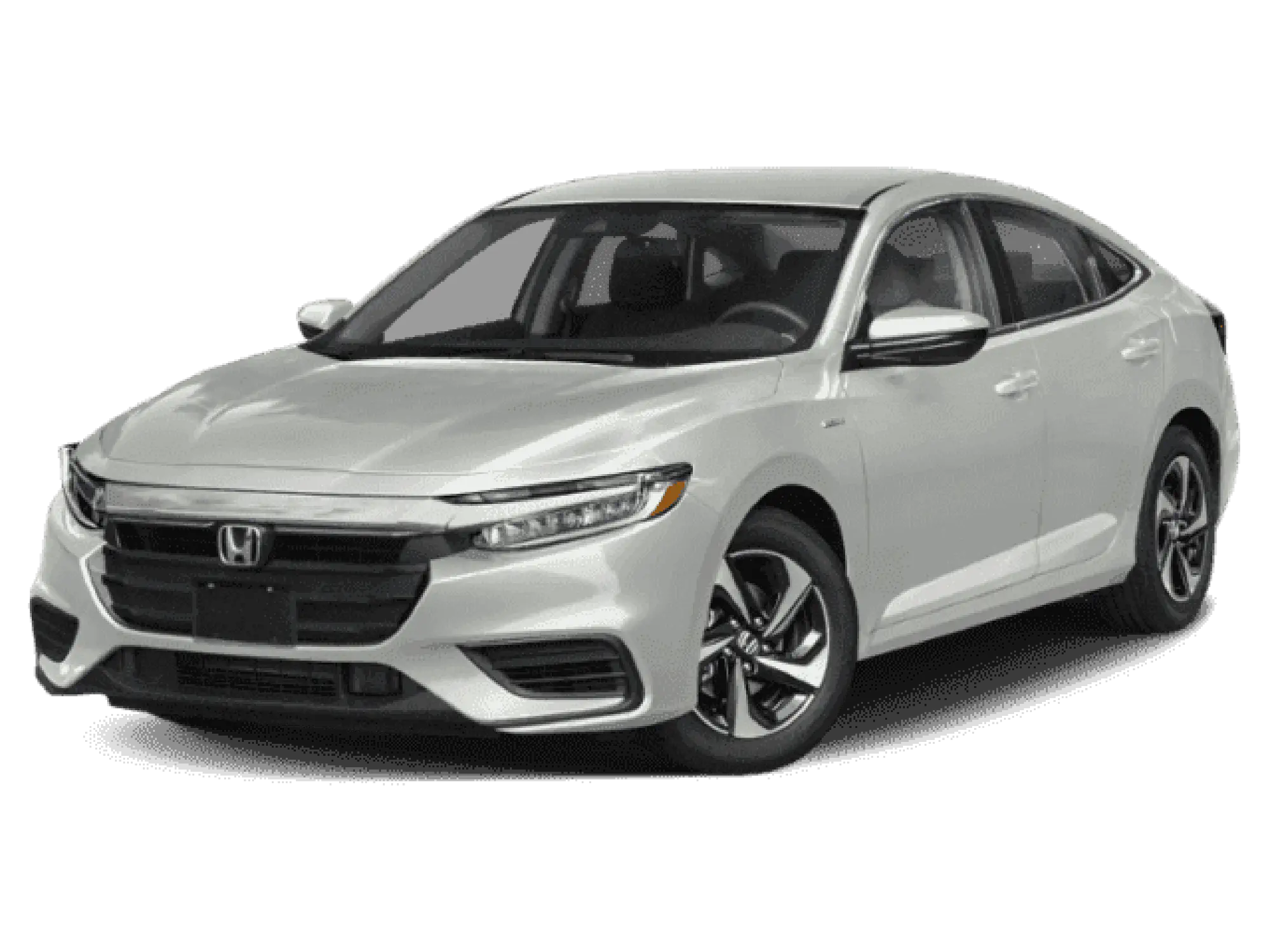
Honda hybrid vehicles utilize high-voltage battery packs that work alongside the gasoline engine to improve efficiency and performance. Models such as the Accord Hybrid, CR-V Hybrid, Civic Hybrid, and Insight rely on sophisticated battery management systems designed to maximize battery health.
Federal emissions regulations require hybrid battery coverage for at least 8 years or 100,000 miles. In states following California emissions standards, coverage may extend to 10 years or 150,000 miles depending on the model year and location.
While warranty coverage establishes a minimum protection period, the actual Honda hybrid battery lifespan often exceeds these requirements.
| Vehicle Component | Expected Lifespan |
|---|---|
| Honda Hybrid Battery | 8-15+ Years |
| Battery Cooling System | 10+ Years |
| Hybrid Control Modules | 10-15 Years |
| Electric Motor Components | 15+ Years |
Many Honda hybrid owners report battery performance remaining strong well beyond 150,000 miles. Some vehicles continue operating effectively with original battery packs after 200,000 miles when properly maintained.
Real-world ownership data suggests that Honda hybrid batteries generally age gradually rather than failing suddenly. Drivers may notice a slow reduction in electric-only operation, fuel economy, or regenerative braking effectiveness as the battery ages.
Several factors influence battery longevity:
Vehicles operated in moderate climates often experience longer battery life than those exposed to extreme heat for extended periods.
For most owners, battery degradation occurs slowly enough that it may not significantly impact daily driving for many years.
Recognizing early symptoms of battery wear can help owners address concerns before they become major problems.
Common warning signs include:
Not every warning light indicates battery failure. Sometimes software updates, cooling system issues, or sensor malfunctions can trigger similar symptoms.
Professional diagnostics are usually necessary to determine whether the battery itself is experiencing degradation.
One reason owners pay close attention to battery lifespan is the potential cost of replacement after warranty expiration.
Approximate repair and diagnostic costs include:
| Service | Estimated Cost |
|---|---|
| Hybrid System Diagnostic | $150-$300 |
| Battery Health Testing | $100-$250 |
| Battery Cooling Fan Service | $150-$500 |
| Remanufactured Hybrid Battery | $1,500-$3,500 |
| New OEM Hybrid Battery | $3,000-$8,000+ |
Costs vary significantly depending on vehicle model, battery capacity, labor rates, and geographic location.
Fortunately, complete battery replacement remains relatively uncommon compared to the number of Honda hybrids on the road.
When researching potential battery issues, owners may encounter Technical Service Bulletins, commonly known as TSBs.
A TSB is a communication issued by an automaker to dealerships that identifies known issues, updated repair procedures, software revisions, or diagnostic guidance. Unlike recalls, TSBs do not automatically require free repairs. They simply provide technicians with information for addressing recurring concerns.
Owners can find TSB reports through the National Highway Traffic Safety Administration (NHTSA) website, manufacturer service portals, dealership service departments, and automotive research databases. Reviewing applicable TSBs can help determine whether a battery-related symptom may be linked to a known issue.
Although battery aging is inevitable, several maintenance practices may help extend service life.
Hybrid batteries generate heat during operation. Honda designs cooling systems to regulate battery temperature, but dust and debris can restrict airflow over time.
Routine inspections and cleaning can improve cooling efficiency and reduce unnecessary battery stress.
Heat is one of the primary factors contributing to battery degradation.
Whenever possible:
Hybrid batteries benefit from consistent use.
Vehicles left sitting for extended periods may experience accelerated battery deterioration. Regular driving helps maintain balanced charge cycles and system health.
Keeping software updated and addressing warning lights promptly can prevent minor issues from affecting overall hybrid system performance.
Routine maintenance remains one of the most effective ways to support long-term battery reliability.
For most drivers, hybrid battery failure should not be considered an immediate ownership concern.
Honda has developed a strong reputation for hybrid reliability, and many batteries exceed warranty expectations by several years. While eventual degradation is expected, catastrophic failures remain relatively uncommon.
Owners approaching the end of factory coverage may wish to evaluate future repair risks, particularly if they plan to keep their vehicle long term. Understanding potential battery replacement costs can help with budgeting and ownership planning.
The combination of advanced electronics, hybrid components, sensors, and battery systems means repair expenses can increase as vehicles age beyond their original warranty period.
As hybrid technology becomes more advanced, repair costs associated with battery systems, control modules, sensors, and electronic components continue to rise.
Many owners exploring long-term Ownership strategies choose to evaluate extended vehicle protection options before factory coverage expires. Granger Warranty helps drivers compare coverage plans for Honda and many other major vehicle brands while providing transparent pricing and nationwide service options.
Drivers interested in learning more about vehicle protection options can visit Granger Warranty for additional information and coverage details.
Most Honda hybrid batteries last between 8 and 15 years, with many owners reporting more than 150,000 miles of service before significant degradation occurs.
Warranty coverage generally applies when battery performance falls below manufacturer standards or if a defect is present. Coverage terms vary by model year and state.
Replacement costs typically range from $3,000 to $8,000 or more for new OEM batteries, depending on the model and labor requirements.
Yes. Numerous Honda hybrid owners have exceeded 200,000 miles on their original battery packs when maintenance is performed properly and operating conditions are favorable.
Common symptoms include declining fuel economy, reduced electric assistance, warning lights, fluctuating battery charge levels, and increased gasoline engine operation.
Understanding the realities of Honda hybrid battery lifespan can help owners prepare for long-term vehicle expenses and make smarter ownership decisions. While many Honda hybrid batteries outlast their warranties by several years, expensive repairs can still occur as vehicles age.
For drivers planning to keep their Honda long term, reviewing coverage options before factory warranty expiration can provide added confidence and help manage unexpected repair costs. Learn more about available protection plans and vehicle coverage options at Granger Warranty.
Stay up to date with the latest news from Granger Warranty