Honda Passport Ownership Costs Compared to Toyota 4Runner
When shopping for a midsize SUV, many buyers compare the Honda Passport and Toyota 4Runner because both models have strong reputations for durability, practicality, and long-term value.
However, the purchase price is only part of the equation. Understanding Honda Passport ownership costs compared to the Toyota 4Runner can help buyers make a smarter long-term financial decision.
From fuel economy and maintenance expenses to repair frequency and depreciation, each SUV offers distinct advantages.
This comparison examines the major cost factors owners can expect over several years of ownership.
The Honda Passport and Toyota 4Runner serve different types of SUV buyers despite occupying a similar segment.
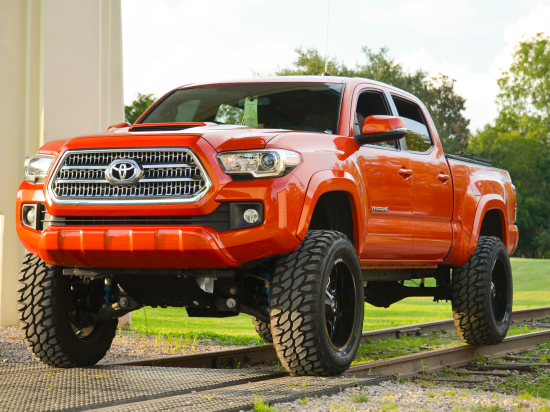
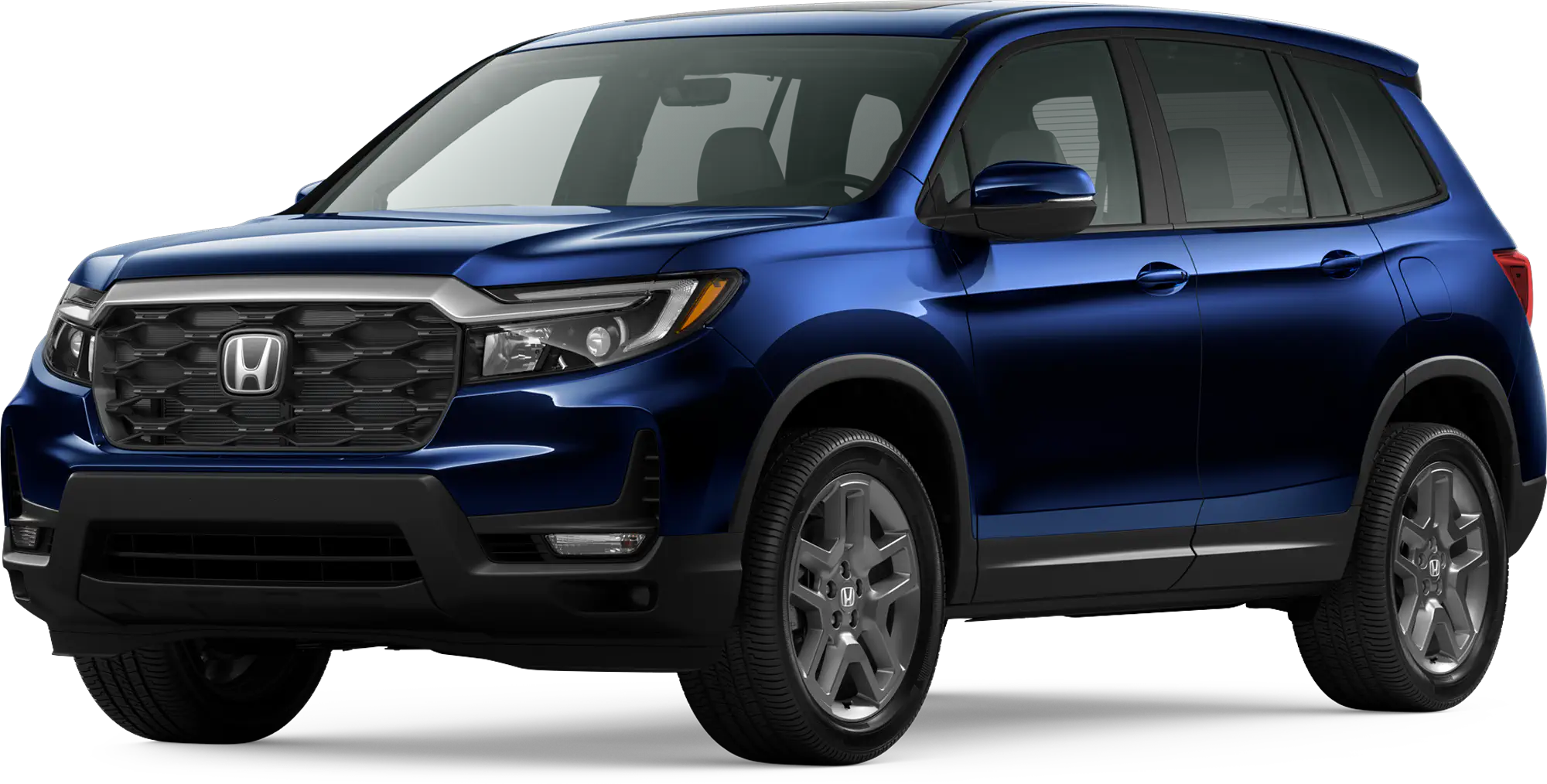
The Passport is designed primarily as a comfortable, on-road family SUV with available all-wheel drive and a refined driving experience. The 4Runner remains one of the few body-on-frame SUVs available today, emphasizing off-road capability and rugged durability.
Because of these differences, ownership expenses can vary significantly.
| Ownership Category | Honda Passport | Toyota 4Runner |
|---|---|---|
| Fuel Economy | Generally Higher | Generally Lower |
| Maintenance Costs | Moderate | Moderate to High |
| Repair Frequency | Low | Low |
| Tire Replacement Costs | Moderate | Often Higher |
| Insurance Costs | Similar | Similar |
| Off-Road Capability | Moderate | Excellent |
| Depreciation | Moderate | Excellent Resale Value |
For buyers who spend most of their time commuting and traveling on paved roads, the Passport often delivers lower overall operating costs.
Fuel costs represent one of the largest long-term ownership expenses.
The Honda Passport’s V6 engine and unibody construction typically provide better fuel economy than the heavier, body-on-frame Toyota 4Runner. Over 100,000 miles, that difference can translate into thousands of dollars in fuel savings.
Routine maintenance expenses for both vehicles are relatively predictable and include:
The Passport generally benefits from lower tire and brake wear because of its lighter construction and road-focused design.
Owners who follow factory maintenance schedules can often avoid many expensive repairs later in the vehicle’s life.
No vehicle is immune from repairs as mileage accumulates.
Some Honda Passport owners report issues involving:
Toyota 4Runner owners commonly encounter:
The good news is that both SUVs have relatively strong reliability records compared with many competitors.
| Repair | Honda Passport | Toyota 4Runner |
|---|---|---|
| Diagnostic Inspection | $120-$250 | $120-$250 |
| Wheel Bearing Replacement | $350-$800 | $400-$900 |
| Brake Job | $300-$900 | $350-$1,000 |
| Suspension Repairs | $500-$1,500 | $600-$2,000 |
| Infotainment Module Repair | $800-$2,000+ | $700-$1,800+ |
| Transmission Repair | $3,000-$6,500+ | $3,500-$7,000+ |
Actual costs vary based on location, model year, labor rates, and repair facility.
Vehicle owners should become familiar with Technical Service Bulletins, commonly called TSBs.
A TSB is a communication issued by a manufacturer to dealerships that identifies known issues, diagnostic procedures, or recommended repair methods. Unlike recalls, TSBs do not automatically require free repairs, but they can help technicians diagnose problems more efficiently.
Owners can search for TSB information through the National Highway Traffic Safety Administration (NHTSA) website, manufacturer service departments, dealership service centers, and automotive repair databases. Reviewing TSBs can provide valuable insight into recurring issues affecting specific model years of both the Honda Passport and Toyota 4Runner.
Preventive maintenance remains one of the most effective ways to reduce long-term ownership expenses.
Recommended practices include:
Owners who stay proactive often avoid major repairs that develop from neglected maintenance.
For the Toyota 4Runner, additional inspections of suspension and off-road components can be especially important for drivers who frequently travel on rough terrain.
One area where the Toyota 4Runner traditionally excels is resale value.
The 4Runner has developed a reputation for exceptional durability and often commands strong used-market pricing even with higher mileage.
The Honda Passport typically depreciates more quickly, but it often offsets some of that difference through lower fuel costs, a smoother driving experience, and potentially lower routine maintenance expenses.
Buyers planning to keep their SUV for ten years or longer may place greater emphasis on operating costs rather than resale value alone.
The best choice depends on how the vehicle will be used.
Drivers seeking comfort, efficiency, and daily usability often prefer the Passport. Buyers prioritizing rugged capability and long-term resale strength may gravitate toward the 4Runner.
For most owners, Honda Passport ownership costs are reasonable compared with many midsize SUVs.
The vehicle combines proven V6 performance, solid reliability, and manageable maintenance expenses. While major repairs can become costly after factory warranty coverage expires, the Passport generally avoids the high failure rates seen in some competing SUVs.
The Toyota 4Runner remains a strong contender due to its legendary durability, but owners should be prepared for higher fuel expenses and potentially higher operating costs over time.
When evaluating long-term ownership, both vehicles rank among the more dependable options in the segment.
As vehicles become increasingly complex, repair expenses continue to rise. Advanced safety systems, electronic modules, infotainment technology, and drivetrain components can generate high costs once factory coverage ends.
Many owners choose to explore extended vehicle protection plans to help manage unexpected repair expenses and create more predictable ownership costs.
Granger Warranty provides transparent vehicle protection options for many popular brands, helping drivers prepare for potential repair costs as their vehicles age. Buyers can review available coverage options and pricing directly at Granger Warranty.
In many situations, yes. The Honda Passport typically delivers better fuel economy and lower day-to-day operating expenses, which can reduce overall ownership costs.
The Toyota 4Runner generally retains its value exceptionally well and often outperforms the Honda Passport in long-term resale value.
Most routine repairs are reasonably priced, but major components such as transmissions, infotainment systems, and electronic modules can become costly after warranty expiration.
Both vehicles are considered reliable. The Toyota 4Runner has a long-standing reputation for durability, while the Honda Passport offers strong reliability with a more modern on-road driving experience.
Owners planning to keep their Passport beyond factory warranty coverage often consider extended protection to help manage unexpected repair expenses and budget for long-term ownership.
Understanding Honda Passport ownership costs is an important step when comparing long-term SUV expenses. While the Passport often delivers lower operating costs than the Toyota 4Runner, both vehicles can face expensive repairs as mileage increases.
To learn more about vehicle protection plans and long-term ownership solutions, visit Granger Warranty and explore options designed to help reduce unexpected repair expenses.
Stay up to date with the latest news from Granger Warranty