Honda Ridgeline vs Chevy Colorado Cost of Ownership
Understanding the Ridgeline vs Colorado cost of ownership helps drivers plan for real-world expenses beyond the purchase price.
Buying a midsize truck often comes down to more than just capability or styling.
Long-term ownership costs can vary significantly depending on reliability, maintenance needs, and repair complexity.
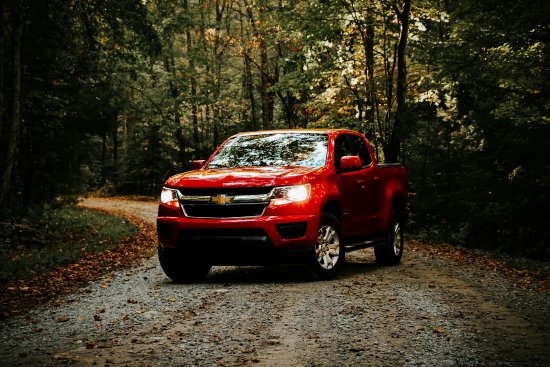
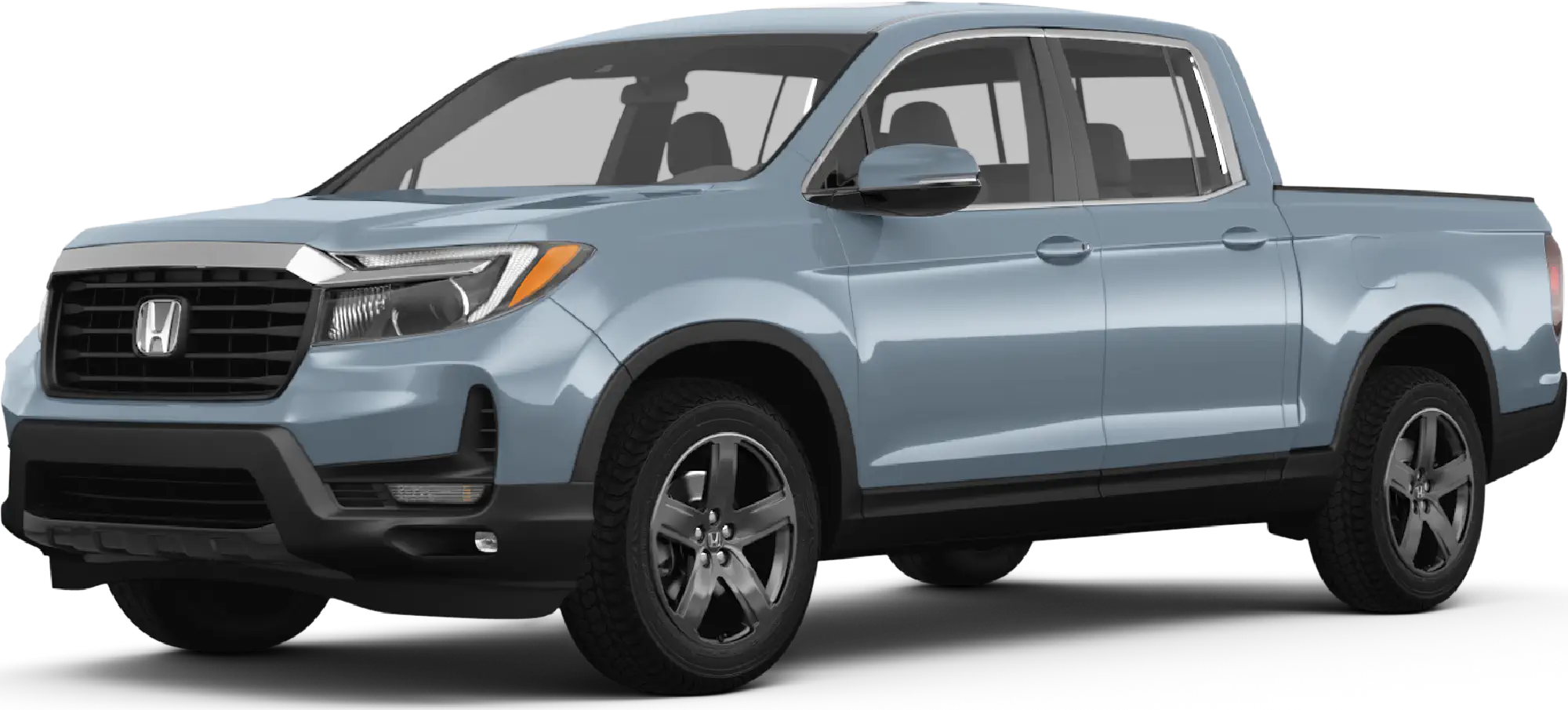
Honda Ridgeline and Chevy Colorado approach truck ownership differently. Ridgeline uses a unibody platform shared with Honda SUVs, while Colorado follows a traditional body-on-frame design. This difference directly impacts long-term truck cost, ride comfort, and maintenance patterns.
Ridgeline typically delivers more predictable maintenance due to its car-like engineering. Colorado offers stronger towing capability but may introduce higher wear-and-tear costs depending on usage. Buyers choosing between these trucks should consider how they plan to use the vehicle over 5 to 10 years.
Midsize truck maintenance varies based on drivetrain complexity and usage. Ridgeline uses a naturally aspirated V6 paired with a relatively simple transmission setup. This often results in fewer major drivetrain repairs during early ownership years.
Colorado, especially with turbocharged engines or diesel options in older models, introduces more complexity. Turbo systems, higher torque loads, and traditional truck components can lead to increased maintenance requirements over time.
Common maintenance differences include:
| Category | Honda Ridgeline | Chevy Colorado |
|---|---|---|
| Oil Changes | Standard intervals | May vary with turbo engines |
| Transmission Service | Typically lower frequency | Can require more frequent service |
| Suspension Wear | Lower due to unibody design | Higher with towing or off-road use |
| Brake Wear | Moderate | Can increase with payload usage |
These patterns contribute directly to the Ridgeline vs Colorado cost of ownership over time.
Repair costs can vary widely depending on mileage and driving conditions. However, some general patterns help set expectations for owners.
| Repair Type | Estimated Cost Range |
|---|---|
| Transmission Repair | $3,500 to $6,500 |
| Engine Repair | $4,000 to $8,000 |
| Suspension Components | $800 to $2,500 |
| Electrical Diagnostics | $150 to $300 |
Colorado models with turbocharged engines may see higher repair costs due to added complexity. Ridgeline models tend to have fewer high-dollar failures but can still face expensive electronic or AWD system repairs as mileage increases.
Diagnostic costs are often overlooked. Modern trucks require advanced scan tools and labor time just to identify issues. These costs can add up quickly, especially outside of warranty coverage.
Reducing midsize truck maintenance costs starts with consistent care. Both Ridgeline and Colorado benefit from proactive maintenance schedules.
Key prevention tips include:
Regular fluid changes, including transmission and differential fluids
Monitoring cooling systems to prevent overheating
Addressing warning lights early before issues escalate
Avoiding excessive towing beyond recommended limits
Following manufacturer service intervals closely
Preventative maintenance plays a major role in controlling long-term truck costs. Small investments early can prevent major repair bills later.
Most owners will not experience catastrophic failures early in ownership. However, risk increases significantly after 60,000 to 100,000 miles.
Colorado may present higher variability in ownership costs due to engine options and heavier-duty usage. Ridgeline tends to offer more consistent ownership costs but may not handle extreme workloads as well.
Buyers should focus less on which truck is cheaper upfront and more on how predictable the long-term ownership experience will be.
Technical Service Bulletins, commonly called TSBs, are issued by manufacturers to address known issues that do not rise to the level of a recall. These bulletins guide technicians on diagnosing and repairing recurring problems.
Owners can find TSB reports through the National Highway Traffic Safety Administration database or dealership service departments. Reviewing TSBs can provide insight into potential problem areas for both Ridgeline and Colorado models.
Ridgeline generally has lower midsize truck maintenance costs due to its simpler drivetrain and unibody construction. Colorado can become more expensive depending on engine choice and usage.
Colorado often carries higher long-term truck cost risks due to turbocharged engines and heavier-duty components. Ridgeline typically has more predictable repair expenses.
Both vehicles require regular maintenance, but Colorado may need more frequent servicing if used for towing or off-road driving. Ridgeline maintenance is usually more consistent and less intensive.
Aggressive driving, towing, and off-road use increase wear and repair frequency. Conservative driving and proper maintenance significantly reduce long-term truck costs.
Extended coverage can help stabilize unpredictable repair costs, especially as vehicles age and repairs become more expensive.
Modern trucks are more advanced than ever, which increases both capability and repair complexity. As vehicles age, even routine repairs can become expensive and unpredictable.
Nationwide dealer-honored protection extended warranty coverage helps provide consistent repair standards and predictable ownership costs.
Granger Warranty offers factory-backed plans that prioritize OEM parts, transparent pricing, and nationwide service acceptance. Drivers comparing Ridgeline vs Colorado cost of ownership can explore coverage options at Granger Warranty to better manage long-term truck cost and protect against unexpected repairs.
Choosing the right truck is only part of the equation. Planning for ownership costs ensures a more predictable and stress-free driving experience.
Stay up to date with the latest news from Granger Warranty