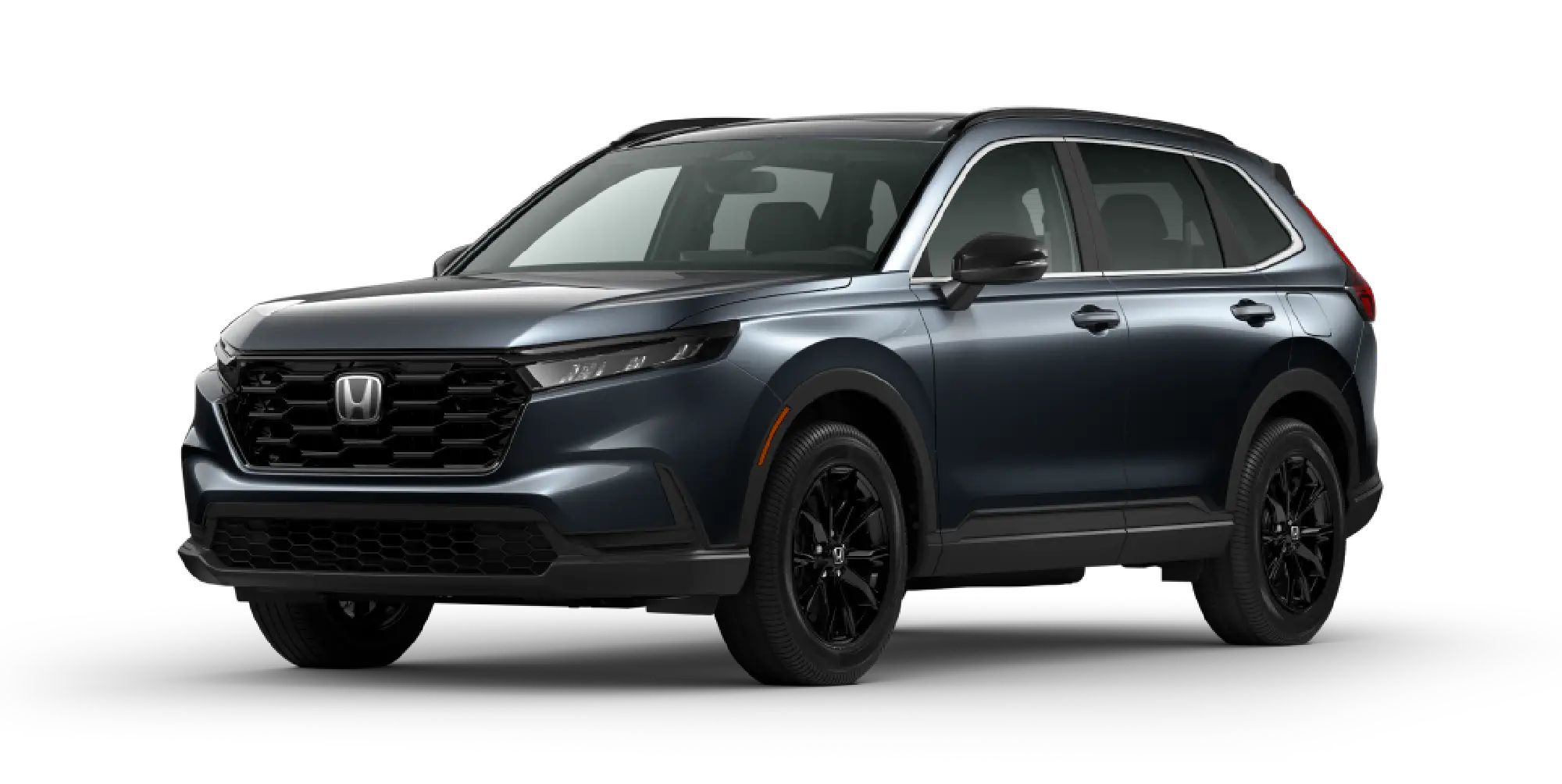
Honda vs Nissan Reliability Comparison
Honda vs Nissan reliability is one of the most common brand durability comparisons shoppers make when choosing a long-term vehicle.
Both brands offer affordable vehicles with strong reputations, but their reliability trends, maintenance cost expectations, and long-term ownership risks can differ in meaningful ways.
Understanding where each brand excels helps you make a smarter decision, especially if you plan to keep your vehicle beyond 100,000 miles.
Honda has built a reputation for consistent reliability across sedans, SUVs, and compact vehicles. Models like the Civic, Accord, and CR-V are known for long service life with relatively few major mechanical failures.
Nissan, on the other hand, offers competitive pricing and strong value, but reliability has been more inconsistent depending on the model and model year. Vehicles like the Altima and Rogue can be dependable, but certain generations have had more reported issues.
In a brand durability comparison, Honda tends to lead in long-term dependability, especially past 100,000 miles. Nissan vehicles can still be reliable, but they require closer attention to maintenance and model-specific concerns.
When comparing Honda vs Nissan reliability, it is important to look at the types of issues each brand commonly experiences.
Honda vehicles are known for:
• Occasional oil dilution in certain turbo engines
• Starter and alternator wear over time
• Suspension component wear at higher mileage
These issues are generally predictable and relatively affordable to address.
Nissan vehicles are more often associated with:
• CVT transmission failures in certain model years
• Electrical system issues
• Engine sensor failures
The biggest difference comes down to transmission reliability. Nissan’s CVT issues can significantly increase maintenance costs and repair risk compared to Honda’s more traditional transmission designs.
Maintenance cost plays a major role in long-term ownership. Even reliable vehicles require routine service and occasional repairs.
| Repair Type | Honda Average Cost | Nissan Average Cost |
|---|---|---|
| Transmission Repair | $3,000 – $5,000 | $3,500 – $6,500 |
| Alternator Replacement | $400 – $800 | $400 – $900 |
| Suspension Repairs | $500 – $1,200 | $600 – $1,400 |
| Engine Diagnostics | $100 – $200 | $120 – $220 |
Honda generally maintains slightly lower maintenance costs over time due to fewer major component failures. Nissan ownership costs can increase if transmission repairs are needed outside of warranty coverage.
Regardless of brand, consistent maintenance is the biggest factor in long-term reliability.
For Honda owners, focus on:
• Regular oil changes to prevent engine wear
• Monitoring turbocharged engines for fuel dilution
• Replacing fluids at recommended intervals
For Nissan owners, prioritize:
• Frequent transmission fluid service for CVT longevity
• Addressing warning lights immediately
• Keeping up with electrical system inspections
Preventive maintenance reduces the likelihood of major repairs and helps both brands reach higher mileage milestones.
Most drivers will have a positive ownership experience with either brand, but long-term expectations differ.
Honda vehicles are more likely to reach 150,000 to 200,000 miles with fewer major repairs. Nissan vehicles can also reach high mileage, but the risk of expensive repairs, particularly transmission-related, is higher depending on the model.
If you plan to keep your vehicle long-term, reliability trends suggest Honda may offer a more predictable ownership experience. However, choosing the right Nissan model and maintaining it properly can still result in strong durability.
Technical Service Bulletins, or TSBs, are manufacturer-issued documents that identify known issues and recommended repair procedures. They are not recalls, but they provide valuable insight into common problems for specific vehicles.
You can find TSB reports through the National Highway Traffic Safety Administration website or through manufacturer service portals. Reviewing TSBs before purchasing a vehicle can help you understand potential reliability concerns and maintenance cost expectations.
As vehicles age, repair costs become less predictable. Modern cars rely on advanced electronics, turbocharged engines, and complex transmissions, all of which can increase repair expenses over time.
Factory-grade extended warranties help stabilize maintenance costs by covering major components after the original warranty expires. This reduces the financial impact of unexpected repairs and ensures work is completed using OEM parts and factory procedures.
Granger Warranty provides factory-grade coverage with transparent pricing and nationwide acceptance. Plans are designed to protect against high-cost repairs while maintaining OEM repair standards.
Learn more about coverage options at Granger Warranty.
Honda generally ranks higher in long-term reliability due to consistent engine and transmission performance. Nissan’s reliability can vary more depending on the model and transmission type.
Nissan maintenance costs can be higher if transmission issues occur. Routine service costs are similar, but major repairs can increase overall ownership expenses.
Honda vehicles are more likely to exceed 200,000 miles with fewer major repairs. Nissan vehicles can also last, but durability depends heavily on maintenance and model selection.
Nissan CVT transmissions have improved in recent years, but earlier models had higher failure rates. Regular maintenance is critical to improving reliability.
Extended coverage is worth considering for both brands, especially if you plan to keep the vehicle long-term. It helps protect against rising repair costs and unexpected failures.
Choosing between Honda and Nissan reliability comes down to balancing upfront cost, long-term durability, and maintenance cost expectations. Both brands offer strong value, but understanding their differences helps you avoid surprises.
Factory-grade protection through Granger Warranty can help ensure your vehicle remains reliable and affordable to own as it ages. With transparent pricing, OEM repair standards, and nationwide coverage, it provides a practical way to manage long-term ownership risk.
Explore plans and pricing at Granger Warranty to see how extended coverage fits into your ownership strategy.
Stay up to date with the latest news from Granger Warranty