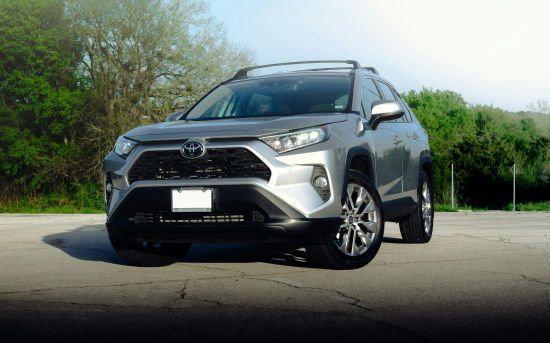
Hyundai Santa Fe Ownership Costs After Factory Warranty Expiration
Hyundai Santa Fe owners often choose the midsize SUV because of its comfortable ride, family-friendly features, and strong value proposition.
While maintenance and repairs are generally manageable during the factory warranty period, understanding Hyundai Santa Fe ownership costs after warranty expiration is an important part of long-term vehicle ownership.
As modern SUVs become more complex, repair expenses can increase significantly after coverage ends. Components such as turbocharged engines, advanced safety systems, infotainment technology, and all-wheel-drive systems can lead to unexpected repair bills.
Understanding these costs can help owners budget appropriately and make informed decisions about long-term protection.
The Hyundai Santa Fe is typically covered by Hyundai’s factory warranty for several years, depending on the coverage component. Once factory protection expires, owners become responsible for all repair and replacement expenses.
Common ownership expenses after warranty expiration include:
| Ownership Expense | Typical Cost Range |
|---|---|
| Oil Changes | $60 - $120 |
| Brake Pad Replacement | $250 - $700 |
| Battery Replacement | $200 - $450 |
| Tire Replacement Set | $800 - $1,500 |
| Wheel Alignment | $100 - $250 |
| Suspension Repairs | $500 - $2,000+ |
| Air Conditioning Repairs | $400 - $2,500+ |
| Engine Repairs | $1,000 - $8,000+ |
| Transmission Repairs | $2,500 - $7,500+ |
While routine maintenance remains predictable, major component failures can significantly increase annual ownership costs.
Several repair categories can have the greatest impact on Hyundai Santa Fe ownership costs as the vehicle accumulates mileage.
Turbocharged engine models may experience issues involving sensors, fuel systems, ignition components, or turbocharger assemblies. Depending on the diagnosis, repairs can range from several hundred dollars to several thousand dollars.
Transmission-related concerns can also become expensive. Automatic transmission repairs often require extensive labor and specialized diagnostics. In severe cases, transmission replacement costs may exceed $5,000.
Electronic systems have become another major ownership consideration. Advanced driver assistance features, radar sensors, cameras, and touchscreen infotainment systems add convenience but can also increase repair complexity and cost.
Owners of all-wheel-drive Santa Fe models should also budget for potential drivetrain maintenance and repairs involving transfer cases, differentials, or related components.
Many vehicle owners focus on repair costs but overlook diagnostic charges. Before repairs can begin, technicians must identify the source of the problem.
Typical diagnostic expenses include:
| Service | Average Cost |
|---|---|
| Check Engine Light Diagnosis | $100 - $250 |
| Electrical System Diagnosis | $150 - $400 |
| Transmission Diagnosis | $150 - $350 |
| HVAC Diagnosis | $100 - $300 |
| Suspension Inspection | $100 - $250 |
After diagnosis, actual repair costs vary depending on the failed component and labor rates in the local market.
Examples of common repairs include:
| Repair Item | Estimated Cost |
|---|---|
| Alternator Replacement | $600 - $1,200 |
| Water Pump Replacement | $700 - $1,500 |
| AC Compressor Replacement | $1,000 - $2,500 |
| Fuel Pump Replacement | $900 - $1,800 |
| Steering Rack Replacement | $1,200 - $2,500 |
These costs demonstrate why long-term ownership planning becomes increasingly important as factory warranty coverage expires.
Proactive maintenance remains one of the most effective ways to control ownership expenses.
Following Hyundai’s recommended maintenance schedule can help reduce wear on critical systems and catch minor problems before they become expensive repairs.
Helpful maintenance practices include:
Keeping detailed maintenance records may also improve resale value and help technicians diagnose issues more efficiently.
Technical Service Bulletins, commonly known as TSBs, are documents issued by manufacturers to address known vehicle concerns, repair procedures, software updates, or recurring issues identified in the field. A TSB is not the same as a recall because it typically does not involve a safety defect requiring mandatory repairs.
Owners can find Hyundai TSB information through Hyundai dealerships, the National Highway Traffic Safety Administration (NHTSA) website, manufacturer service departments, and various automotive repair databases. Reviewing TSBs can help owners identify known issues that may affect their specific Santa Fe model year.
Most Hyundai Santa Fe models provide dependable service when properly maintained. However, like any modern SUV, repair costs generally increase as mileage accumulates and factory coverage expires.
Owners approaching 60,000 to 100,000 miles often face greater exposure to higher-cost repairs involving powertrain, suspension, electronics, and climate control systems. While many vehicles may never experience major failures, even a single repair can significantly affect annual ownership expenses.
Evaluating repair risks becomes particularly important for owners planning to keep their Santa Fe well beyond the factory warranty period.
One way owners manage financial uncertainty is by considering vehicle service contracts before factory coverage expires.
A protection plan can help reduce exposure to large repair bills involving covered components while providing additional peace of mind during long-term ownership.
Granger Warranty helps drivers explore coverage options for many popular brands while offering transparent pricing and nationwide support. Vehicle owners researching long-term protection can learn more by visiting Granger Warranty and comparing available plans before major repair costs arise.
Routine maintenance typically averages several hundred dollars annually, depending on mileage and service needs. Major repairs can increase ownership costs substantially if significant components fail.
Engine and transmission replacements are often among the most expensive repairs, potentially costing several thousand dollars depending on the model year and repair scope.
In many cases, yes. Components naturally experience more wear at higher mileage, increasing the likelihood of suspension, drivetrain, electrical, and cooling system repairs.
They can. TSBs help technicians identify known issues and approved repair procedures, potentially reducing diagnostic time and improving repair accuracy.
Many owners consider additional coverage when approaching the end of factory protection, especially if they plan to keep the vehicle for several more years and want protection from unexpected repair expenses.
Understanding Hyundai Santa Fe ownership costs after factory warranty expiration allows owners to prepare for both routine maintenance and unexpected repairs. While the Santa Fe remains a popular and capable midsize SUV, increasing vehicle complexity means repair expenses can become more significant over time.
Drivers who plan ahead, follow maintenance schedules, monitor TSB information, and evaluate long-term protection options can often enjoy a more predictable ownership experience. To learn more about coverage solutions that may help reduce future repair risk, visit Granger Warranty.
Stay up to date with the latest news from Granger Warranty