Hyundai Tucson Hybrid Battery Life: What Owners Can Expect After 100K Miles
Hybrid vehicles have become increasingly popular among drivers looking for improved fuel economy without sacrificing practicality.
One of the most common questions prospective buyers and long-term owners ask is about Hyundai Tucson hybrid battery life, especially once the vehicle passes the 100,000-mile mark. Since the battery is one of the most expensive components in any hybrid vehicle, understanding its expected lifespan and ownership costs can help drivers make informed decisions.
For most Hyundai Tucson Hybrid owners, the news is encouraging. Modern hybrid battery technology has proven to be far more durable than many early adopters expected, with many batteries lasting well beyond 100,000 miles when properly maintained.
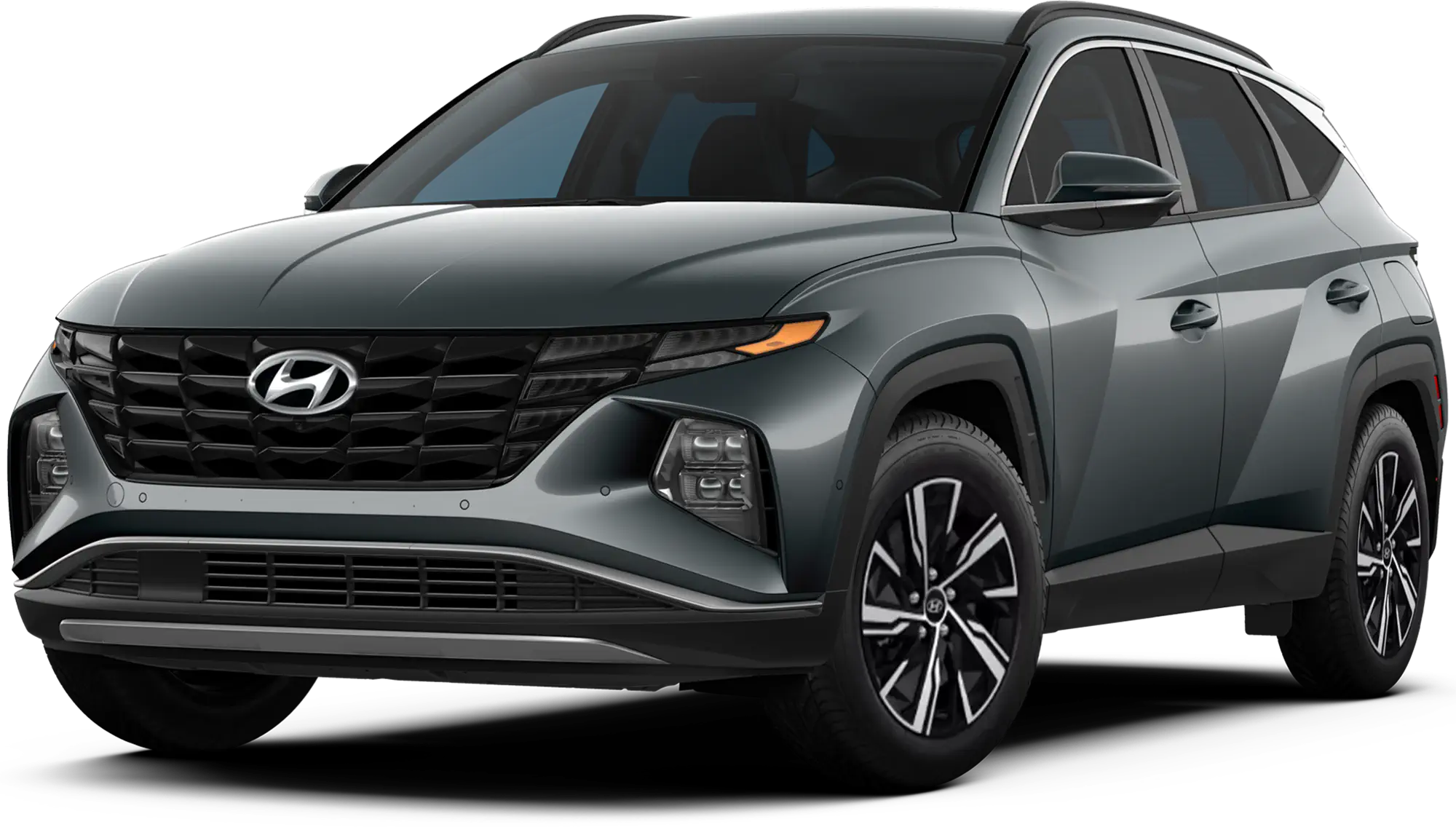
The Hyundai Tucson Hybrid uses a lithium-ion polymer battery pack designed to work alongside the gasoline engine. Unlike a fully electric vehicle battery, the hybrid battery experiences shallower charge and discharge cycles, which can help extend its overall lifespan.
Most automotive experts estimate that a modern hybrid battery can last between 150,000 and 200,000 miles under normal driving conditions. Many owners report little noticeable decline in performance after crossing the 100,000-mile threshold.
Several factors influence Hyundai Tucson hybrid battery life, including:
| Factor | Impact on Battery Life |
|---|---|
| Driving habits | Aggressive acceleration can increase wear |
| Climate | Extreme heat may accelerate degradation |
| Maintenance history | Proper cooling system maintenance helps longevity |
| Mileage accumulation | Consistent driving is often better than prolonged storage |
| Charging cycles | Hybrid systems automatically optimize charging behavior |
For most owners, reaching 100,000 miles is not necessarily a warning sign that battery replacement is imminent.
Although hybrid batteries are designed for longevity, they do gradually lose efficiency over time.
Potential symptoms of battery degradation include:
It’s important to note that these symptoms do not automatically indicate battery failure. In many cases, software updates, sensors, cooling components, or other hybrid system parts may be contributing to the issue.
Professional diagnostics are often necessary before determining whether the battery itself is the problem.
One reason drivers closely monitor Hyundai Tucson hybrid battery life is the potential cost of replacement.
Fortunately, battery failures remain relatively uncommon at 100,000 miles.
Approximate repair and replacement costs may include:
| Service | Typical Cost Range |
|---|---|
| Hybrid battery diagnostic inspection | $150 - $400 |
| Battery cooling system repair | $250 - $1,000 |
| Hybrid battery module repair | $1,000 - $3,000 |
| Complete battery replacement | $3,000 - $8,000+ |
| Hybrid control system diagnosis | $200 - $600 |
Actual costs vary based on model year, labor rates, location, and parts availability.
As hybrid technology becomes more common, repair options continue expanding, helping reduce ownership costs compared to earlier generations of hybrid vehicles.
When researching potential battery-related concerns, owners may encounter references to Technical Service Bulletins (TSBs).
A TSB is a communication issued by an automaker to dealerships describing known issues, diagnostic procedures, software updates, or repair recommendations. Unlike recalls, TSBs do not automatically require repairs but can help technicians diagnose recurring problems more efficiently.
Owners can search for Hyundai TSBs on the National Highway Traffic Safety Administration (NHTSA) website, at Hyundai dealerships, or in trusted automotive service databases. Reviewing TSB information can help identify whether a battery concern has a known manufacturer-recommended solution.
While battery aging cannot be completely prevented, certain maintenance practices can help maximize longevity.
Recommended practices include:
Hybrid systems are designed to manage battery operation automatically, so owners generally do not need to perform special charging or conditioning procedures.
Consistent maintenance remains one of the best ways to support long-term ownership costs and vehicle reliability.
For most drivers, crossing the 100,000-mile mark should not be viewed as a major battery risk milestone.
Modern Hyundai hybrid systems have demonstrated strong reliability, and many vehicles continue operating efficiently for years beyond six-figure mileage. While some battery degradation is normal, catastrophic failures remain relatively rare.
Drivers should focus on monitoring vehicle performance, addressing warning indicators quickly, and maintaining the vehicle according to Hyundai’s recommendations.
When concerns do arise, professional hybrid diagnostics can often identify problems before they become more expensive repairs.
As vehicles become more technologically advanced, repair costs often increase after factory warranty coverage expires. Hybrid systems introduce additional components that may require specialized diagnostics and repairs later in the vehicle’s life.
For owners planning to keep their Tucson Hybrid long-term, researching vehicle protection options may help reduce unexpected repair expenses. Companies such as Granger Warranty provide vehicle service contract options that can help owners manage long-term repair risks as mileage accumulates.
Drivers can learn more about available coverage options by visiting Granger Warranty
The goal is not simply protecting against major repairs but helping create more predictable ownership costs throughout the life of the vehicle.
Most Hyundai Tucson Hybrid batteries are expected to last between 150,000 and 200,000 miles, although actual lifespan depends on driving conditions, climate, and maintenance practices.
Some gradual degradation is normal after 100,000 miles, but many owners experience little noticeable performance loss at that mileage.
Complete battery replacement can range from approximately $3,000 to $8,000 or more depending on model year, labor costs, and parts availability.
Yes. Frequent hard acceleration, extreme temperatures, and neglected maintenance can contribute to accelerated battery wear over time.
Hybrid battery failures are generally uncommon before 150,000 miles. Most owners experience many years of reliable operation when maintenance schedules are followed.
Understanding Hyundai Tucson hybrid battery life helps owners make smarter long-term decisions about maintenance, budgeting, and vehicle protection. While modern hybrid batteries are remarkably durable, repair costs can still become significant as vehicles age.
If you plan to keep your Hyundai Tucson Hybrid well beyond 100,000 miles, exploring vehicle protection options can help provide greater financial predictability. Visit Granger Warranty to learn more about coverage options designed to support long-term vehicle ownership.
Stay up to date with the latest news from Granger Warranty