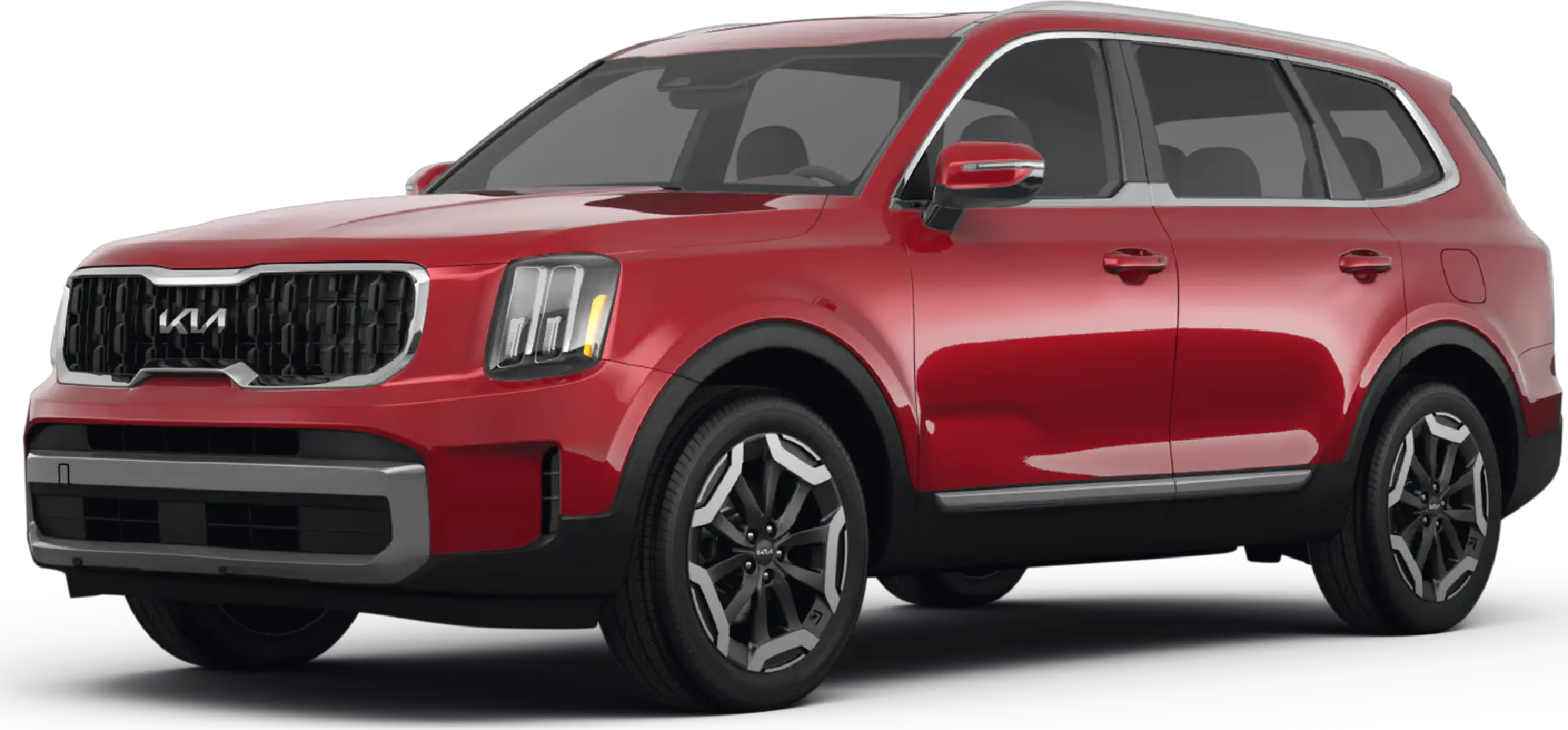
Kia Telluride Suspension Problems and Repair Costs
Kia Telluride owners often praise the SUV for its comfortable ride, spacious interior, and family-friendly design.
However, like any vehicle, the Telluride can experience wear and tear over time. Among the more common concerns reported by owners are various Kia Telluride suspension problems that can affect ride quality, handling, and overall driving comfort.
Understanding how the suspension system works, what symptoms to watch for, and the potential repair costs can help owners make informed maintenance decisions.
Whether your Telluride has 30,000 miles or well over 100,000 miles, knowing what to expect can prevent minor issues from becoming major expenses.
The suspension system on the Kia Telluride is designed to absorb road impacts, maintain tire contact with the pavement, and provide a comfortable ride. It consists of several components, including shocks, struts, control arms, bushings, sway bar links, and wheel bearings.
When one or more of these components begins to wear out, drivers may notice changes in vehicle performance. Common Kia Telluride suspension problems include:
| Suspension Issue | Common Symptoms |
|---|---|
| Worn Struts or Shocks | Excessive bouncing, rough ride |
| Bad Sway Bar Links | Clunking noises over bumps |
| Worn Control Arm Bushings | Steering instability, vibration |
| Wheel Bearing Failure | Humming or grinding noises |
| Alignment Issues | Uneven tire wear, pulling to one side |
| Ball Joint Wear | Loose steering feel, suspension noise |
Many of these concerns develop gradually and may not be immediately noticeable. Regular inspections can help identify suspension wear before it affects safety or leads to more extensive repair needs.
Several suspension-related concerns appear more frequently as mileage accumulates.
One commonly reported issue involves front suspension noises when driving over rough pavement or speed bumps. In many cases, worn sway bar links or bushings are responsible for the noise.
Another concern involves premature shock or strut wear. Although suspension components are designed to last for many years, rough roads, potholes, heavy loads, and towing can accelerate deterioration.
Some owners also report steering wheel vibration or uneven tire wear. These symptoms may stem from worn suspension components or improper wheel alignment.
Wheel bearing wear is another issue that can develop over time. Drivers often describe a humming, roaring, or grinding sound that becomes more noticeable at highway speeds.
Addressing these symptoms early can help prevent secondary damage to tires, steering components, and other suspension parts.
Repair costs can vary significantly depending on the specific component involved, labor rates, and whether OEM or aftermarket parts are used.
The following estimates provide a general overview of common suspension-related repairs:
| Repair | Estimated Cost |
|---|---|
| Suspension Inspection | $100 - $250 |
| Wheel Alignment | $100 - $200 |
| Sway Bar Link Replacement | $150 - $400 |
| Control Arm Replacement | $400 - $1,000 |
| Strut Replacement (Per Axle) | $800 - $2,000 |
| Wheel Bearing Replacement | $300 - $800 |
| Ball Joint Replacement | $250 - $700 |
A professional diagnosis is often the first step. Suspension noises can sometimes mimic other mechanical problems, making proper inspection essential before authorizing repairs.
Owners should also remember that suspension components often wear together. Replacing only one worn part may not fully resolve ride quality concerns if adjacent components are nearing the end of their service life.
When researching vehicle issues, owners may encounter references to Technical Service Bulletins, commonly known as TSBs.
A TSB is a communication issued by a manufacturer to dealerships that identifies known vehicle concerns, diagnostic procedures, or repair recommendations. Unlike recalls, TSBs do not typically involve mandatory repairs or safety defects.
Owners can find TSB information through the National Highway Traffic Safety Administration (NHTSA) website, Kia dealerships, vehicle service databases, or trusted automotive repair resources. Reviewing applicable TSBs may help identify known causes of suspension noises, steering concerns, or ride quality issues affecting certain Telluride model years.
While suspension components naturally wear over time, several maintenance practices can help maximize their lifespan.
Avoiding potholes and rough road impacts whenever possible reduces stress on shocks, struts, and control arms. Maintaining proper tire pressure also helps distribute vehicle weight evenly and reduces strain on suspension components.
Routine tire rotations and wheel alignments can prevent uneven tire wear and improve handling performance. During regular service visits, technicians should inspect suspension bushings, ball joints, and steering components for signs of wear.
Drivers who frequently tow trailers or carry heavy cargo should pay particular attention to suspension inspections. Additional weight can accelerate component wear and increase repair frequency.
A proactive approach to maintenance often results in lower long-term repair costs and a more comfortable driving experience.
Most Kia Telluride suspension problems are typical wear-and-tear items rather than widespread catastrophic failures. However, suspension issues should never be ignored.
A worn suspension can negatively affect braking performance, steering response, tire wear, and overall vehicle stability. Small noises or vibrations today can eventually lead to larger and more expensive repairs if left untreated.
The good news is that many suspension repairs are relatively straightforward when diagnosed early. Addressing concerns promptly helps maintain the Telluride’s reputation for comfort and drivability.
Owners approaching higher mileage should be especially attentive to changes in ride quality, unusual noises, or steering behavior.
As vehicles become more sophisticated, repair expenses continue to rise. Suspension systems may seem simple compared to modern electronics, but labor-intensive repairs can still result in significant bills.
Many owners begin evaluating vehicle protection options as factory coverage expires. Extended coverage can help reduce unexpected out-of-pocket expenses associated with major mechanical repairs and provide additional peace of mind during long-term ownership.
Granger Warranty offers vehicle service contract options for drivers who want to better manage future repair costs. Coverage options, transparent pricing, and nationwide service availability make it easier for owners to plan for long-term vehicle ownership. Learn more at Granger Warranty.
The most commonly reported issues include worn sway bar links, strut wear, wheel bearing noise, control arm bushing deterioration, and alignment-related concerns that affect handling and tire wear.
Repair costs vary based on the failed component. Minor repairs may cost a few hundred dollars, while strut replacements or major suspension work can exceed $2,000.
Some minor suspension issues may not immediately affect drivability, but continued operation can worsen wear and potentially compromise handling and safety. A professional inspection is recommended whenever symptoms appear.
Many suspension parts can last 60,000 to 100,000 miles or longer depending on driving conditions, road quality, maintenance habits, and vehicle usage.
Yes. Worn suspension components can cause uneven tire wear, reduced traction, and alignment issues that shorten tire life and increase operating costs.
Understanding Kia Telluride suspension problems can help owners recognize warning signs early and avoid costly surprises. Whether dealing with worn struts, wheel bearings, or suspension bushings, timely diagnosis and repair remain the best strategy for preserving ride quality and safety.
For drivers planning to keep their Telluride for the long haul, exploring vehicle protection options can provide additional confidence as repair costs increase with age and mileage. Visit Granger Warranty to compare coverage options and learn more about protecting your vehicle investment.
Stay up to date with the latest news from Granger Warranty