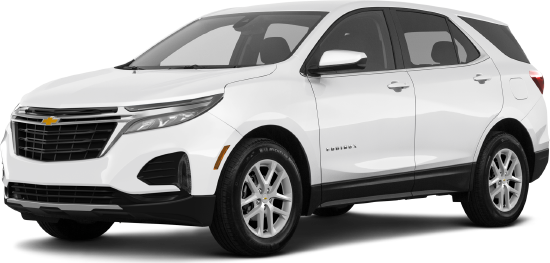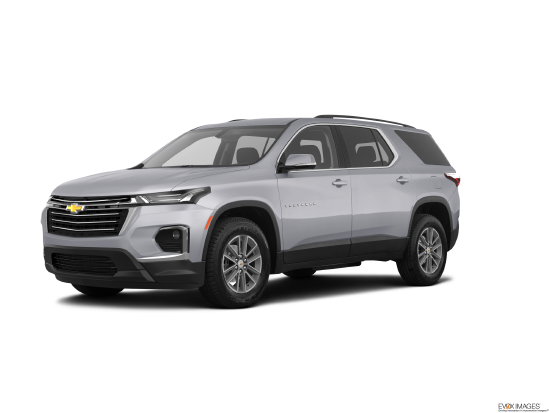
Most Reliable Compact SUVs After 100K Miles
For many owners, compact SUVs represent the sweet spot between efficiency, practicality, and durability. Understanding long term SUV reliability helps you avoid costly surprises as mileage climbs into six figures.
Reliable SUVs after 100k miles are not just about brand reputation.
They reflect engineering quality, consistent maintenance, and how well key components hold up under long-term stress.
Reaching 100,000 miles used to be considered high mileage. Today, many compact SUVs are engineered to go well beyond that point with proper care.
The most reliable models tend to share a few traits. Proven powertrains, simple naturally aspirated engines, and well-documented maintenance schedules all contribute to best SUVs longevity.
Popular examples often cited for long-term SUV reliability include:
These models consistently show strong durability when properly maintained.
Even the most reliable SUVs after 100k miles will begin to show wear in key systems. Understanding these common issues helps set realistic expectations.
Typical high mileage concerns include:
These issues are not failures of design. They are part of normal aging as components cycle through thousands of heat and stress cycles.
Vehicles with turbocharged engines or complex drivetrains may experience higher long-term repair frequency compared to simpler designs.
Repair costs increase gradually after the 100k-mile mark. Budgeting for these expenses is essential for long-term SUV reliability.
| Component | Typical Repair Cost |
|---|---|
| Struts and suspension | $800 to $1,500 |
| Water pump replacement | $500 to $1,200 |
| Transmission service or repair | $1,500 to $4,000 |
| AC system repair | $700 to $2,000 |
These ranges vary by vehicle and labor rates, but they illustrate how costs can accumulate quickly.
This is where many owners begin to rethink total ownership cost rather than just reliability reputation.
Maintaining reliable SUVs after 100k miles requires a proactive approach. Preventative care is often far less expensive than reactive repairs.
Key maintenance habits include:
Consistent maintenance is the single biggest factor in achieving the best SUV’s longevity. Skipping services to save money often leads to significantly higher repair costs later.
High mileage does not automatically mean high risk. Many compact SUVs are capable of reaching 150,000 to 200,000 miles with predictable maintenance costs.
However, risk increases when:
Buyers and owners should focus on condition and service records rather than mileage alone. A well-maintained SUV at 120k miles is often more reliable than a neglected one at 70k.
A Technical Service Bulletin, or TSB, is a notice issued by manufacturers to address known issues that are not classified as recalls. These can include updated repair procedures, software fixes, or known component concerns.
TSBs are valuable when evaluating reliable SUVs after 100k miles because they highlight patterns of issues and manufacturer-supported fixes. Owners can find TSB information through the NHTSA website or dealership service departments.
Reviewing TSBs helps you understand whether a problem is common and whether there is a proven repair solution.
| Model | Known Strengths | Common High Mileage Concerns |
|---|---|---|
| Toyota RAV4 | Proven engine reliability | Water pump wear, suspension |
| Honda CR-V | Strong resale value, efficient engines | AC compressor issues, oil dilution in some years |
| Mazda CX-5 | Solid build quality, fewer drivetrain issues | Brake wear, infotainment glitches |
| Subaru Forester | AWD capability, durable engines | Head gasket concerns in older models |
This comparison highlights how even the best SUVs longevity comes with tradeoffs.
As vehicles age, repair costs become less predictable. Even reliable SUVs after 100k miles can experience unexpected failures in major systems.
Factory-grade extended coverage helps stabilize ownership costs by covering many of these repairs under consistent service standards. This often includes OEM parts and repairs performed to manufacturer specifications.
For drivers planning to keep their SUV long term, coverage can provide peace of mind as mileage increases.
You can explore options and pricing directly at Granger Warranty to see how coverage compares to potential repair expenses.
Long-term SUV reliability depends on engine design, transmission durability, and maintenance consistency. Vehicles with simpler powertrains and strong service histories tend to last longer.
Maintenance costs do increase with mileage, but they are often manageable if issues are addressed early. Larger repairs become more common after 100k miles.
Models like the Toyota RAV4 and Honda CR-V are frequently recognized for best SUVs longevity due to their proven reliability and widespread parts availability.
It can be a smart decision if the vehicle has a documented maintenance history and passes a thorough inspection. Condition matters more than mileage alone.
Extended warranties can reduce financial risk by covering major repairs. Factory-grade plans are especially valuable because they follow OEM repair standards.
Reliable SUVs after 100k miles can deliver years of additional service when properly maintained. The key is understanding where costs come from and planning ahead.
Long-term SUV reliability is not just about choosing the right model. It is about managing repair risk, staying ahead of maintenance, and protecting against unexpected expenses.
If you plan to keep your SUV well beyond 100,000 miles, reviewing factory-grade coverage options can be a practical next step. Learn more at Granger Warranty and compare how protection plans align with real-world repair costs.
Stay up to date with the latest news from Granger Warranty