Nissan Armada vs Toyota Sequoia Reliability Comparison
Armada vs Sequoia reliability is a common concern for buyers shopping for large SUVs built for towing, family hauling, and long-term durability.
Both models have strong reputations, but ownership experience can vary significantly once mileage climbs past 60,000 to 100,000 miles.
Understanding how these SUVs age, what tends to fail, and what repairs actually cost can help you make a smarter long-term decision.
When comparing Armada vs Sequoia reliability, both vehicles are built on truck-based platforms designed for heavy use. This contributes to strong, large SUV durability, especially in towing and off-road conditions.
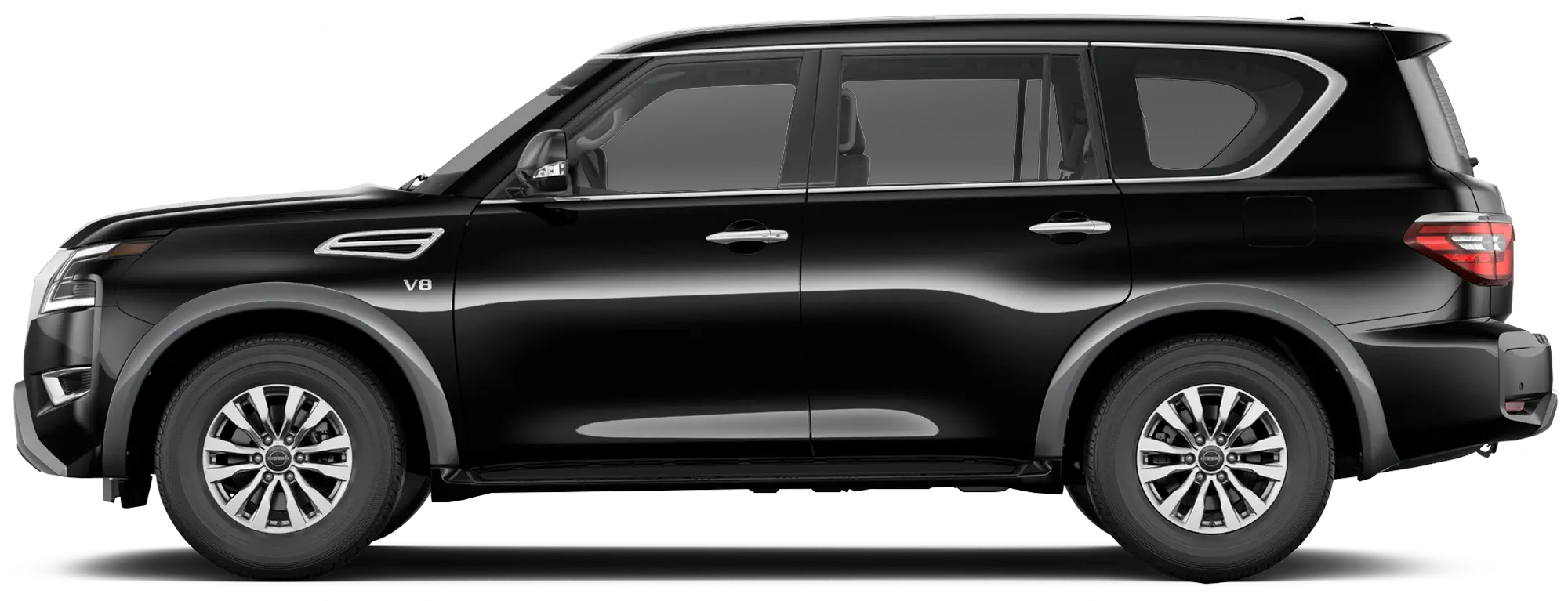
The Nissan Armada is powered by a 5.6L V8 engine paired with a traditional automatic transmission. It is known for strong performance but can develop issues with fuel system components, cooling systems, and electronic modules over time.
The Toyota Sequoia, particularly older V8 models, has a reputation for long-term reliability. Many examples reach 200,000 miles with proper maintenance. However, newer turbocharged variants introduce additional complexity that can impact long-term durability.
Overall, Toyota tends to edge out Nissan in long-term reliability ratings, but both vehicles can be dependable with proper maintenance.
V8 SUV reliability often comes down to how well major systems hold up under stress. In both the Armada and Sequoia, certain patterns emerge as mileage increases.
Armada owners frequently report issues with catalytic converters, brake wear, and suspension components. Air conditioning compressors and infotainment systems can also require attention as the vehicle ages.
Sequoia owners may encounter water pump failures, secondary air injection system issues, and brake system wear. On newer models, turbo-related components and sensors can become failure points.
A Technical Service Bulletin, or TSB, is issued by manufacturers to address known issues that do not rise to the level of a recall. These bulletins provide repair guidance to technicians and can help diagnose recurring problems. You can find TSB reports through the NHTSA website or dealership service departments.
Repair costs are a critical part of Armada vs Sequoia reliability. Even a reliable SUV can become expensive if major components fail outside of warranty.
| Repair Item | Nissan Armada Estimated Cost | Toyota Sequoia Estimated Cost |
|---|---|---|
| Water Pump Replacement | $700 to $1,200 | $600 to $1,100 |
| Suspension Repair | $800 to $2,000 | $700 to $1,800 |
| Catalytic Converter | $1,200 to $2,500 | $1,000 to $2,200 |
| Transmission Repair | $3,500 to $5,500 | $3,000 to $5,000 |
| Turbo System Repair (New Sequoia) | N/A | $2,500 to $6,000 |
Diagnostic costs typically range from $100 to $200, depending on the issue and location. Complex electronic problems can require extended labor time.
While the Sequoia may have slightly lower average repair costs, newer turbocharged models can introduce higher repair exposure if major components fail.
Preventive maintenance plays a major role in long-term Armada vs Sequoia reliability. These SUVs respond well to consistent service intervals.
Regular oil changes using manufacturer-recommended intervals are critical for engine longevity. Cooling system maintenance, including radiator and water pump inspections, can prevent overheating issues.
Transmission fluid service is often overlooked, but can significantly extend drivetrain life. Brake inspections, suspension checks, and timely replacement of wear items also help maintain large SUV durability.
Owners who follow maintenance schedules closely often see fewer major repairs beyond 100,000 miles.
Both SUVs are capable of long service life, but ownership expectations should be realistic. High-mileage vehicles require ongoing maintenance and occasional major repairs.
The Sequoia typically offers more predictable reliability, especially older V8 models. The Armada provides strong performance and comfort but may require more frequent repairs in certain areas.
Buyers planning to keep their SUV beyond the factory warranty should factor in potential repair costs and increasing complexity in modern vehicles.
The Armada can remain reliable past 100,000 miles with proper maintenance. However, owners should expect wear-related repairs such as suspension components, brakes, and emissions system parts.
In many cases, the Sequoia has a stronger track record for long-term durability. Older V8 models are especially known for reaching high mileage with fewer major issues.
Turbocharged engines add performance and efficiency but also introduce additional components. This can increase the risk of higher repair costs compared to simpler V8 designs.
Both vehicles can have similar repair costs, but newer Sequoia models may have higher costs due to turbo components. Armada repairs may be more frequent, but not always more expensive per repair.
The biggest risk is major component failure after the factory warranty expires. Transmission, engine, and advanced electronics repairs can be costly without coverage.
Armada vs Sequoia reliability ultimately comes down to maintenance, driving habits, and how long you plan to keep the vehicle. Both SUVs offer strong capability, but long-term ownership can come with increasing repair exposure.
As vehicles become more complex, repair costs continue to rise, especially for large SUVs with advanced technology and powertrains.
Purchasing the best extended coverage through providers like Granger Warranty helps stabilize ownership costs by ensuring repairs are completed using OEM parts and factory repair standards. This is the real deal.
To explore coverage options and pricing, visit Granger Warranty and review plans designed for long-term SUV ownership.
Stay up to date with the latest news from Granger Warranty