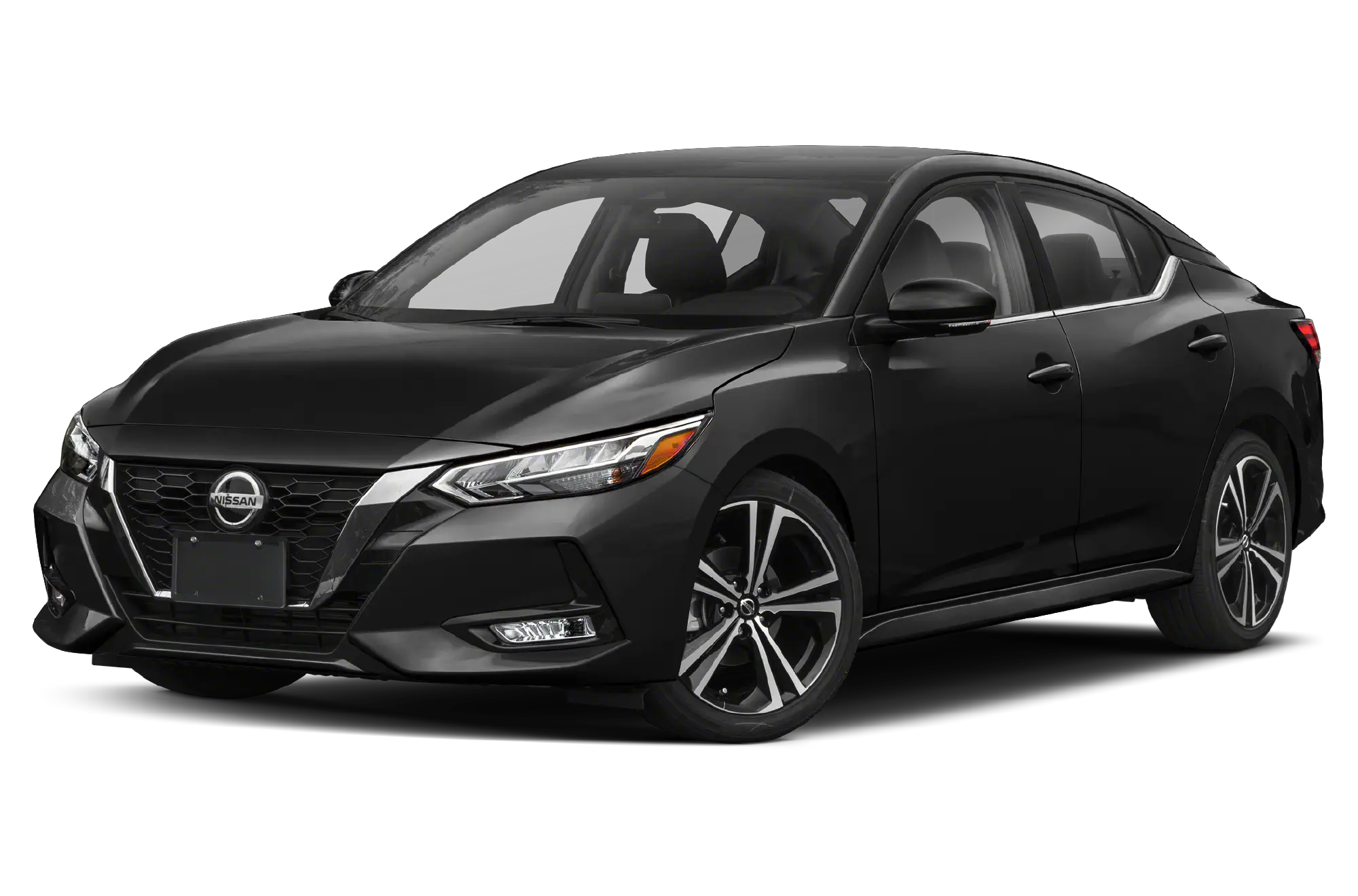
Nissan Sentra vs Honda Civic Cost Of Ownership
Both models are known for reliability, but ownership costs are influenced by more than just sticker price. Fuel economy, insurance, depreciation, and unexpected repairs all play a role in total cost.
Compact sedans remain one of the smartest choices for drivers focused on affordability, efficiency, and long-term value.
When comparing the Sentra vs Civic cost of ownership, the differences come down to maintenance patterns, repair frequency, and how each vehicle ages over time.
The Nissan Sentra typically offers a lower upfront purchase price, making it attractive for budget-conscious buyers. The Honda Civic, however, often holds stronger resale value and slightly higher long-term reliability ratings.
In terms of compact sedan maintenance, both vehicles are relatively inexpensive compared to larger SUVs or trucks. Oil changes, brake service, and tire replacements are predictable and affordable.
Where the difference starts to appear is in long-term durability. The Civic tends to have fewer major repairs after 100,000 miles, while the Sentra may require more attention to its transmission and electronic components.
Repair costs are a major factor in long-term ownership. While both cars are affordable to maintain, the Civic has a slight edge in consistency.
Common repair cost comparisons:
| Repair Item | Nissan Sentra | Honda Civic |
|---|---|---|
| Brake Pad Replacement | $250 - $400 | $300 - $450 |
| Transmission Repair | $3,500 - $5,000 | $3,000 - $4,500 |
| AC Compressor | $800 - $1,400 | $900 - $1,500 |
| Suspension Work | $600 - $1,200 | $700 - $1,300 |
The Sentra is often cheaper for routine repairs, but higher-cost issues like CVT transmission failures can increase total ownership expenses. The Civic’s transmission systems have historically shown better long-term reliability, which helps stabilize repair costs.
Understanding common issues helps explain where ownership costs come from.
Nissan Sentra common concerns:
Honda Civic common concerns:
These issues do not affect every vehicle, but they influence long-term repair costs and reliability perception.
Technical Service Bulletins, or TSBs, are manufacturer-issued documents that address known issues and recommended fixes. They are not recalls, but they can highlight patterns in reliability. You can find TSB reports through the NHTSA website or dealership service departments.
Ownership costs are best viewed over a longer timeline.
Estimated 5-year ownership costs:
| Cost Category | Nissan Sentra | Honda Civic |
|---|---|---|
| Maintenance | $2,500 - $3,500 | $2,200 - $3,200 |
| Repairs | $1,500 - $3,000 | $1,200 - $2,500 |
| Fuel | $6,000 - $8,000 | $5,500 - $7,500 |
| Insurance | $5,000 - $7,000 | $5,500 - $7,500 |
The Sentra often wins on upfront affordability, while the Civic balances that with slightly lower long-term repair exposure.
Reducing ownership costs starts with proactive maintenance.
Regular oil changes help protect engine components and prevent long-term wear. Transmission fluid service is especially important for Sentra models with CVT systems, as neglect can lead to costly repairs.
Brake inspections, tire rotations, and cooling system checks also help avoid larger issues. Staying ahead of maintenance schedules reduces the likelihood of unexpected breakdowns.
Driving habits matter as well. Smooth acceleration and avoiding aggressive driving can extend the life of both the engine and transmission.
For most drivers, neither vehicle presents a high financial risk. Both are among the most affordable compact sedans to own.
However, buyers planning to keep their vehicle beyond 100,000 miles may lean toward the Civic for its long-term durability. Those prioritizing lower upfront costs may find the Sentra a better short-term value.
Ownership strategy plays a key role. Short-term owners may not experience major repair differences, while long-term owners will see the impact of reliability trends more clearly.
As vehicles age, repair costs become less predictable. Modern compact sedans include advanced electronics, safety systems, and infotainment components that can be expensive to repair.
Factory-aligned extended coverage helps stabilize these costs by covering major components and reducing out-of-pocket expenses. Plans that follow OEM repair standards ensure that parts and service match manufacturer specifications.
Drivers comparing long-term ownership costs often consider extended coverage as part of their overall financial strategy.
You can explore coverage options and pricing directly at Granger Warranty to understand how protection fits into your ownership plan.
The Sentra is typically cheaper for routine maintenance, but the Civic may cost less over time due to fewer major repairs.
The Sentra can have higher repair costs if transmission issues occur, while the Civic generally maintains more consistent long-term reliability.
Fuel efficiency reduces overall ownership cost. Both vehicles perform well, but the Civic often has a slight advantage in real-world fuel economy.
Compared to larger vehicles, compact sedans are among the least expensive to repair. Parts are widely available, and labor costs are typically lower.
Extended coverage can reduce financial risk by covering major repairs, especially after the factory warranty expires.
Choosing between these two sedans comes down to priorities. The Sentra offers lower upfront pricing and solid value for short-term ownership, while the Civic provides stronger long-term consistency and resale value.
For drivers planning to keep their vehicle for many years, managing repair costs becomes increasingly important. Exploring factory-aligned protection through providers like Granger Warranty can help create more predictable ownership expenses while maintaining OEM repair standards.
Understanding the Sentra vs Civic cost of ownership allows buyers to make a more informed decision that aligns with their budget and driving goals.
Stay up to date with the latest news from Granger Warranty