Nissan Xterra vs Toyota 4Runner Reliability
Nissan Xterra vs 4Runner reliability is a common comparison for buyers shopping used SUVs that can handle both daily driving and off-road use.
Both models have built strong reputations for durability, but their long-term ownership experience can differ depending on maintenance, model year, and usage.
In this used SUV reliability comparison, understanding known issues, repair costs, and ownership expectations is key before making a decision.
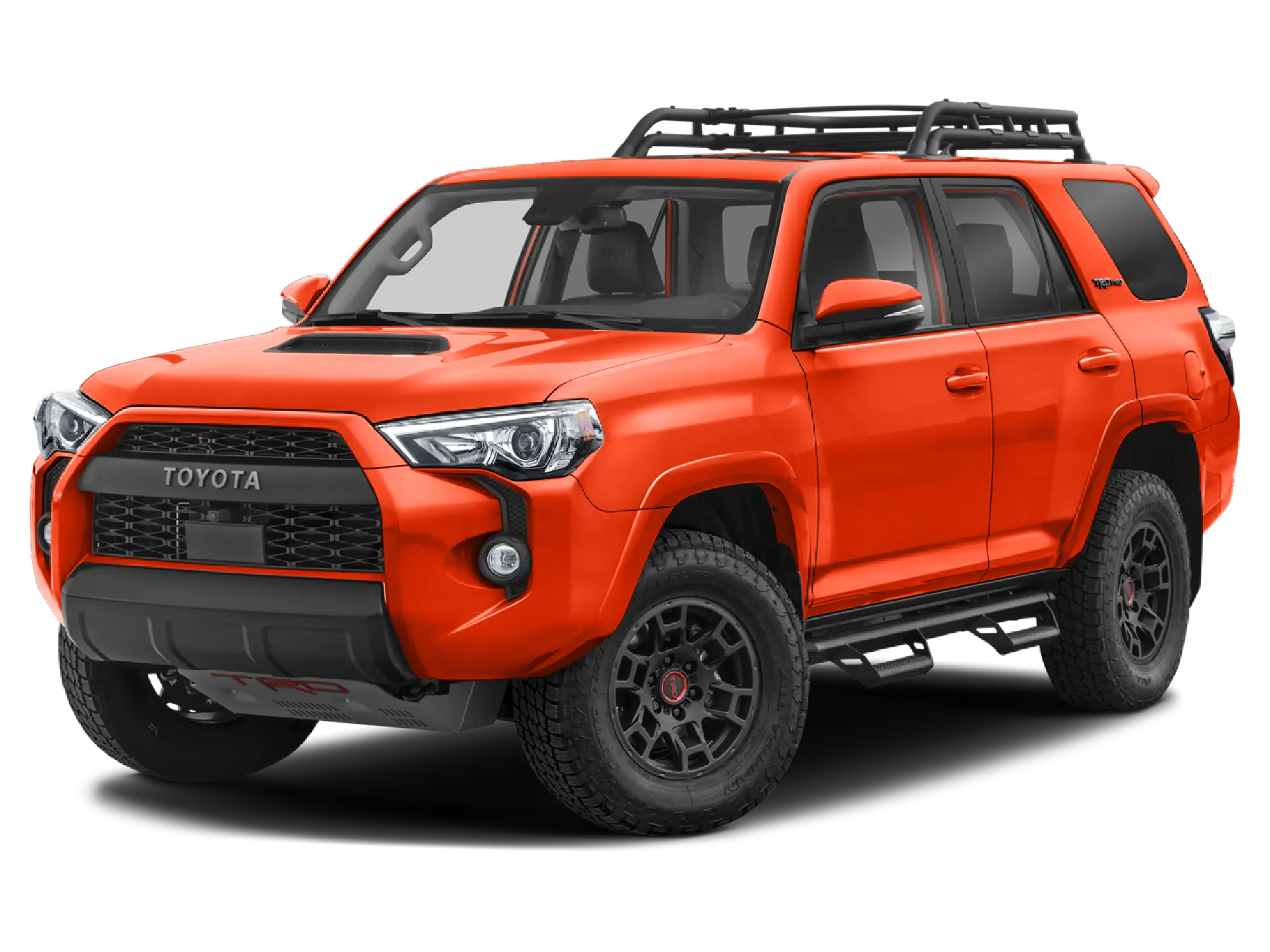
Xterra vs 4Runner reliability often comes down to design philosophy. The Toyota 4Runner has remained largely unchanged for years, using proven powertrains and conservative engineering. That consistency contributes to strong long-term reliability.
The Nissan Xterra, especially second-generation models, offers rugged capability but saw more variation in components and reliability across model years. As a result, used SUV reliability can vary more widely depending on maintenance history.
Both vehicles are body-on-frame SUVs, which generally means better durability in off-road SUV comparison scenarios, but also higher repair costs compared to car-based crossovers.
For the Nissan Xterra, one of the most widely discussed issues is the radiator and transmission cross-contamination problem in earlier models. This can lead to transmission failure if not addressed proactively.
Other Xterra concerns include timing chain wear, fuel sending unit failures, and suspension component wear on higher-mileage vehicles.
The Toyota 4Runner is generally more consistent, but not without issues. Some model years experience secondary air injection pump failures, brake system wear, and occasional suspension problems.
Overall, Xterra vs 4Runner reliability tends to favor the 4Runner for fewer major failures, while the Xterra may require more preventative attention.
Repair costs can vary significantly depending on the issue:
| Repair Item | Nissan Xterra Cost | Toyota 4Runner Cost |
|---|---|---|
| Transmission Replacement | $3,500 - $5,500 | $4,000 - $6,000 |
| Timing Chain Repair | $1,500 - $2,500 | $1,200 - $2,000 |
| Air Injection Pump | N/A | $1,500 - $2,500 |
| Suspension Refresh | $800 - $2,000 | $1,000 - $2,500 |
Diagnostic costs typically range from $100 to $200, depending on the shop.
In this off-road SUV comparison, both vehicles can become more expensive to maintain after 100,000 miles due to wear on suspension, drivetrain, and cooling components.
Preventative maintenance plays a major role in long-term ownership.
For Xterra owners, replacing the radiator early or installing a bypass kit can prevent costly transmission damage. Regular fluid changes are critical.
For 4Runner owners, staying ahead of scheduled maintenance and addressing known components like the air injection system can help avoid expensive repairs.
Routine inspections of suspension components, especially for off-road use, can extend the life of both vehicles.
A Technical Service Bulletin, or TSB, is a document issued by manufacturers to address known issues that may not rise to the level of a recall. These bulletins guide technicians on diagnosing and repairing recurring problems.
You can find TSB reports through the NHTSA website or manufacturer service portals. Reviewing TSBs is an important step when evaluating Xterra vs 4Runner reliability because they highlight known problem areas for specific model years.
Both vehicles are considered durable, especially compared to many modern crossovers. However, age and mileage introduce risk.
The Xterra may require more proactive maintenance, while the 4Runner tends to offer more predictable reliability. That said, repair costs for either vehicle can add up quickly once major components begin to wear.
For buyers focused on used SUV reliability, service history, and condition matter more than brand alone.
The Xterra can be reliable with proper maintenance, but certain model years require preventative fixes to avoid major issues. Reliability improves significantly when known problems are addressed early.
In most cases, the 4Runner has a stronger reputation for long-term durability. Its consistent engineering and fewer widespread issues contribute to better overall reliability.
Both vehicles perform well off-road, but the 4Runner offers more modern off-road features in newer models. The Xterra remains a capable and affordable option for rugged terrain.
With proper maintenance, both the Xterra and 4Runner can exceed 200,000 miles. The 4Runner is more likely to reach higher mileage with fewer major repairs.
Yes, as vehicles age, components wear out, and repair frequency increases. This is especially true for body-on-frame SUVs used for towing or off-road driving.
As these vehicles age, repair costs become less predictable. Major components like transmissions, transfer cases, and electronic systems can create unexpected expenses.
Factory-aligned extended coverage can help stabilize those costs by covering repairs using OEM parts and standardized repair procedures.
Granger Warranty offers transparent, factory-aligned coverage options that help protect against high repair bills while maintaining vehicle reliability.
Learn more about available plans at Granger Warranty.
Xterra vs 4Runner reliability ultimately depends on your priorities. The 4Runner offers more consistency and long-term dependability, while the Xterra can be a strong value with proper maintenance.
Understanding common problems, repair costs, and preventative strategies is essential before purchasing either vehicle.
For many owners, pairing a reliable SUV with extended coverage provides additional peace of mind as repair risks increase with age.
For more information on factory-aligned protection options, visit Granger Warranty.
Stay up to date with the latest news from Granger Warranty