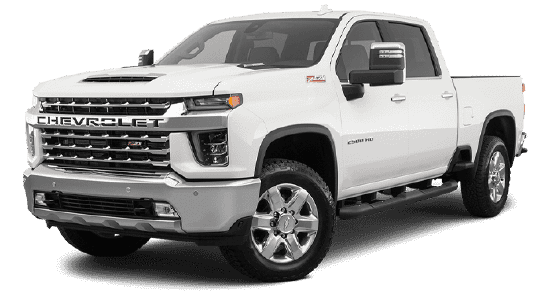
OEM Parts vs. Aftermarket Parts: Long-Term Reliability Differences
Vehicle owners often face a major decision when repairs are needed: choose original equipment manufacturer components or less expensive alternatives.
Understanding OEM vs aftermarket reliability can help drivers make smarter long-term ownership decisions and protect vehicle performance over time.
Modern vehicles rely on tightly engineered systems where each component works with others. Even small differences in part design, materials, or tolerances can affect reliability, longevity, and overall repair outcomes.
OEM parts are components manufactured by the same company that originally built the vehicle or produced the part for the automaker. These components are designed to match factory specifications exactly.
Aftermarket parts are produced by third-party manufacturers. Some are high-quality alternatives, but others may use different materials, designs, or manufacturing standards.
This difference is the core of OEM vs aftermarket reliability. OEM parts are engineered to integrate seamlessly with the vehicle’s original systems, while aftermarket parts can vary widely in quality and compatibility.
For example, sensors, electronic modules, and drivetrain components often require precise calibration. A part that is slightly out of specification may still install correctly but perform inconsistently over time.
When comparing vehicle longevity parts comparison data, several patterns tend to appear across the industry.
| Component Type | OEM Part Advantage | Potential Aftermarket Tradeoff |
|---|---|---|
| Sensors and electronics | Calibrated to factory systems | Compatibility issues possible |
| Suspension components | Designed for specific ride characteristics | May alter ride or wear patterns |
| Engine components | Engineered for precise tolerances | Variations in material quality |
| Infotainment modules | Guaranteed software compatibility | Integration problems possible |
| Cooling system parts | Exact pressure and temperature specs | Inconsistent durability |
Drivers focused on long-term reliability often prefer OEM components because they maintain the same engineering standards used during vehicle production.
Cost differences are usually the main reason drivers consider aftermarket components. OEM parts often cost more initially because they meet manufacturer’s design specifications and testing requirements.
However, short-term savings do not always translate into long-term value.
| Repair Example | Average Aftermarket Cost | Average OEM Cost |
|---|---|---|
| Oxygen sensor replacement | $120 – $250 | $200 – $400 |
| Alternator replacement | $250 – $450 | $450 – $800 |
| Control arm replacement | $200 – $350 | $400 – $700 |
| Infotainment module | $600 – $1,200 | $1,200 – $2,500 |
If a lower-cost part fails earlier or causes additional wear on surrounding components, the total ownership cost can increase.
Drivers who prioritize reliability over short-term savings often view OEM parts as a preventative investment.
Preventative maintenance plays a major role in vehicle reliability regardless of which parts are installed.
Following factory service intervals, monitoring warning lights, and addressing small issues early can prevent expensive repairs later. Many reliability problems occur when minor issues are ignored until they cause larger system failures.
Drivers should also review technical service bulletins. A TSB, or Technical Service Bulletin, is a document issued by manufacturers to dealerships describing known issues, updated repair procedures, or improved replacement parts. These reports are not recalls but can help technicians diagnose recurring problems.
Owners can often find TSB information through dealership service departments, manufacturer websites, and the National Highway Traffic Safety Administration database. Understanding these reports helps drivers make informed repair decisions.
Choosing parts designed to meet factory specifications can further support long-term reliability when maintenance or repairs are required.
Not all aftermarket parts are problematic. Many reputable manufacturers produce high-quality replacement components.
However, the aftermarket category covers a wide range of products with varying engineering standards. Two parts that look identical may perform very differently depending on materials, testing, and design precision.
Complex systems such as adaptive cruise control, emissions systems, engine sensors, and electronic steering components tend to benefit most from OEM replacement parts.
Vehicles equipped with advanced driver assistance technology also rely heavily on sensor accuracy and calibration. Installing parts that differ from factory specifications can sometimes lead to diagnostic issues or inconsistent system behavior.
For drivers focused on vehicle longevity parts comparison outcomes, maintaining factory engineering standards often provides the most predictable long-term results.
Factory-backed coverage programs are designed to maintain the same repair standards used by vehicle manufacturers. Covered repairs typically follow OEM specifications and service procedures.
This approach helps ensure replacement components integrate correctly with the vehicle’s existing systems.
OEM-based repairs also help maintain resale value. Buyers often prefer vehicles that have been maintained using original manufacturer components rather than unknown aftermarket substitutes.
Programs offered through providers like Granger Warranty focus on consistent repair standards and nationwide service availability. Vehicle owners can review coverage options and plan details at Granger Warranty.
Maintaining factory repair standards helps protect long-term reliability while providing predictable repair coverage.
OEM components are designed specifically for the vehicle platform and tested to meet manufacturer durability standards. Many drivers find that they provide more predictable longevity, although high-quality aftermarket components can also perform well.
Aftermarket parts vary widely in quality. Some manufacturers produce premium components that meet or exceed OEM standards, while others prioritize cost reduction. Researching the manufacturer and part design is important before installation.
OEM components are engineered to match the original design of the vehicle. Because they follow factory tolerances and specifications, they often help maintain consistent performance and long-term reliability.
Dealership technicians follow manufacturer repair procedures and typically install OEM components to ensure compatibility with factory systems. This helps reduce diagnostic issues and ensures consistent repair outcomes.
Modern vehicles include complex electronics, sensors, and integrated control systems. Using parts engineered for those systems can reduce the risk of compatibility problems and support long-term vehicle reliability.
Repair decisions affect reliability, ownership costs, and resale value over the life of a vehicle. Understanding OEM vs aftermarket reliability helps drivers make smarter choices when parts need replacement.
Factory-backed extended warranty plans help ensure covered repairs follow manufacturer standards using components designed specifically for the vehicle.
Drivers researching long-term protection options can learn more about factory-backed coverage and transparent pricing by visiting Granger Warranty. These plans are designed to help owners maintain reliability, control repair costs, and keep vehicles performing the way they were originally engineered.
Stay up to date with the latest news from Granger Warranty