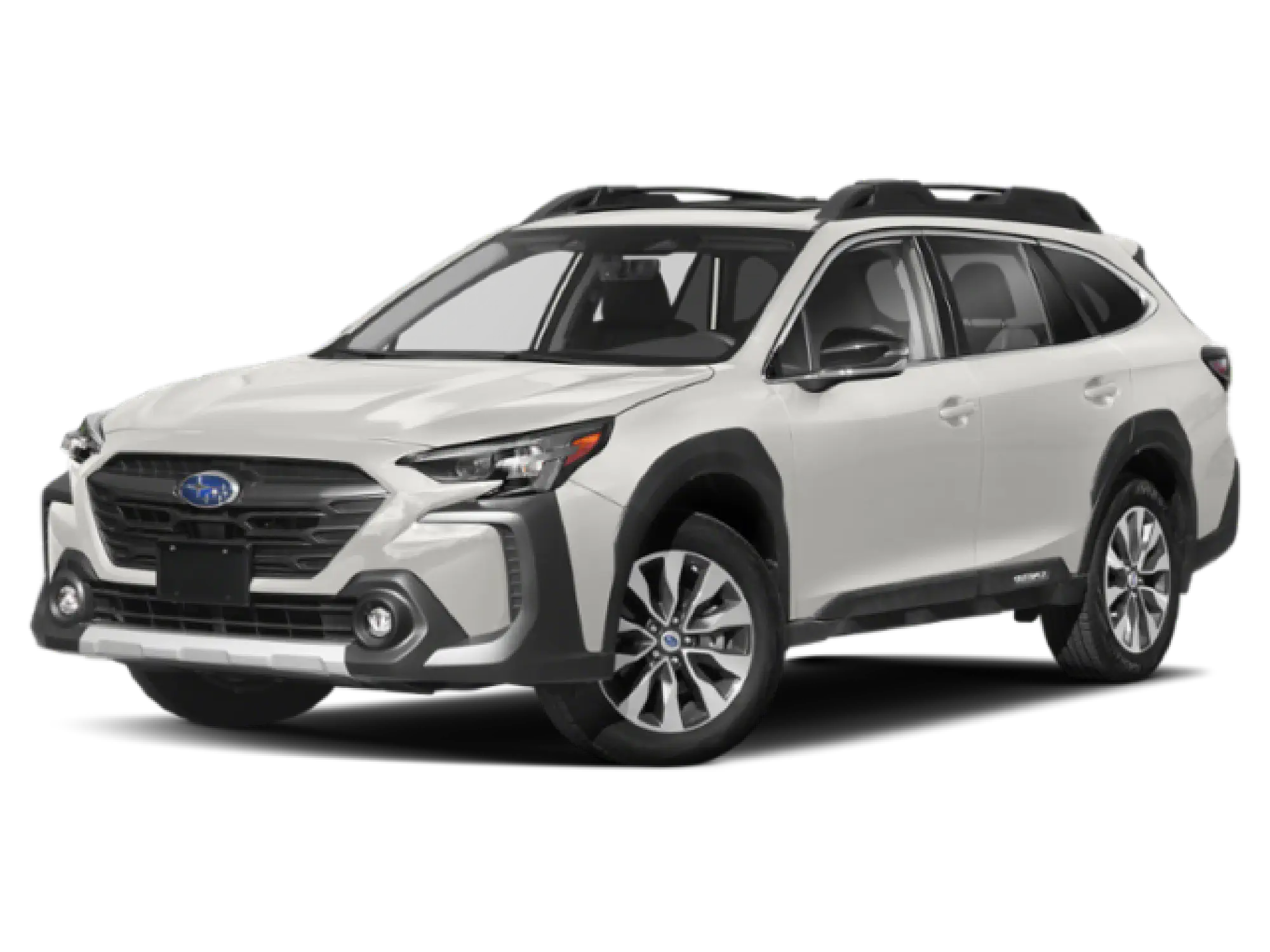
Subaru Outback Ownership Costs Over 10 Years
Subaru Outback ownership cost is one of the most important considerations for buyers planning to keep their vehicle long term.
Known for its all-wheel-drive capability, strong safety ratings, and practical design, the Subaru Outback has earned a reputation as a dependable family vehicle. However, like any modern crossover, ownership expenses extend far beyond the purchase price.
Understanding fuel costs, maintenance expenses, repairs, insurance, depreciation, and potential major component failures can help owners better prepare for the true cost of owning a Subaru Outback over a decade.
When evaluating Subaru Outback ownership cost, drivers should consider several categories of expenses:
| Ownership Expense | Typical 10-Year Cost Range |
|---|---|
| Fuel | $15,000 - $25,000 |
| Routine Maintenance | $4,000 - $8,000 |
| Repairs | $3,000 - $10,000+ |
| Insurance | $12,000 - $20,000 |
| Registration & Fees | $1,500 - $4,000 |
| Depreciation | $15,000 - $25,000 |
Actual ownership costs vary based on mileage, driving habits, location, and model year. Turbocharged models may also incur higher maintenance and repair expenses than naturally aspirated versions.
One reason many buyers choose the Outback is its ability to deliver relatively predictable ownership costs compared with some luxury SUVs or larger crossovers.
Most Subaru Outback models remain reliable well beyond 100,000 miles, but ownership costs often increase once factory warranty coverage expires.
Common repair areas include:
While many owners experience years of trouble-free operation, repairs become more common as vehicles age.
Modern Outback models contain advanced safety technology, touchscreen interfaces, cameras, radar sensors, and complex drivetrain systems. These features improve the ownership experience but can increase repair costs when failures occur.
Repair expenses are a major factor affecting Subaru Outback ownership cost during years six through ten.
| Repair Item | Estimated Cost |
|---|---|
| CVT Transmission Repair | $3,500 - $8,000 |
| Wheel Bearing Replacement | $400 - $900 |
| Suspension Repair | $500 - $2,000 |
| Air Conditioning Compressor | $1,000 - $2,500 |
| Infotainment Screen Replacement | $1,000 - $3,000 |
| Battery Replacement | $150 - $500 |
| Driver Assistance Sensor Calibration | $200 - $1,000 |
Diagnostic charges alone can range from $100 to $250 before any repairs begin.
Owners who drive more than 15,000 miles annually may encounter these expenses sooner than drivers with lower yearly mileage.
Fuel expenses represent one of the largest long-term ownership categories.
Most Subaru Outback models achieve competitive fuel economy for an all-wheel-drive vehicle. However, over ten years, fuel expenses can still add up significantly.
Routine maintenance includes:
Following Subaru’s recommended maintenance schedule helps reduce the likelihood of expensive repairs later in ownership.
Owners who postpone maintenance often experience higher long-term costs due to accelerated wear on drivetrain and engine components.
Preventative maintenance remains one of the most effective ways to control ownership expenses.
Key recommendations include:
Small maintenance investments can often prevent larger repair bills later.
Drivers who routinely ignore unusual noises, vibrations, or warning indicators frequently face more expensive repairs.
Technical Service Bulletins (TSBs) are communications issued by manufacturers to dealerships regarding known issues, updated repair procedures, software updates, or component improvements.
Unlike recalls, TSBs do not typically require manufacturers to provide free repairs. However, they can help technicians diagnose problems more efficiently and identify known solutions.
Subaru owners can find TSB information through:
Checking for applicable TSBs can save time and potentially reduce diagnostic costs when addressing vehicle concerns.
For most owners, Subaru Outback ownership cost remains reasonable compared with many competing midsize SUVs.
The Outback combines:
However, buyers planning to keep their vehicle beyond 100,000 miles should budget for occasional larger repairs.
The most significant financial risks typically involve transmission repairs, electronic systems, and advanced safety technology components.
Understanding these possibilities allows owners to prepare rather than be surprised by unexpected repair bills.
As vehicles become more technologically advanced, repair costs continue to rise. Features such as EyeSight driver assistance systems, adaptive cruise control, large infotainment displays, and complex transmission systems can create significant repair expenses outside of warranty coverage.
Many owners explore vehicle protection plans to help stabilize ownership costs over the long term.
Granger Warranty provides vehicle service contract options designed to help drivers manage unexpected repair expenses as vehicles age. Drivers researching long-term ownership strategies can review available coverage options and pricing directly at Granger Warranty.
Because ownership costs often increase after factory coverage expires, planning ahead can help reduce financial surprises during years six through ten of ownership.
Total ownership expenses commonly range from $50,000 to $90,000 over ten years when fuel, maintenance, insurance, depreciation, and repairs are included.
Compared with many midsize SUVs, repair costs are generally moderate. However, major repairs involving the CVT transmission or advanced electronics can be costly.
Transmission-related repairs often represent the largest potential expense, with some repairs or replacements exceeding several thousand dollars.
Yes. Routine maintenance can significantly reduce the likelihood of major mechanical failures and extend the life of critical components.
Many owners report strong reliability beyond 100,000 miles when maintenance schedules are followed and repairs are addressed promptly.
Subaru Outback ownership cost is generally manageable for drivers who stay proactive with maintenance and understand the potential repair risks associated with higher mileage vehicles. While routine expenses such as fuel, insurance, and maintenance are predictable, unexpected repairs can quickly increase overall ownership costs.
Drivers who intend to keep their Outback for many years should consider long-term budgeting strategies and vehicle protection options. Learn more about available coverage plans, transparent pricing, and long-term vehicle protection solutions by visiting Granger Warranty.
Stay up to date with the latest news from Granger Warranty