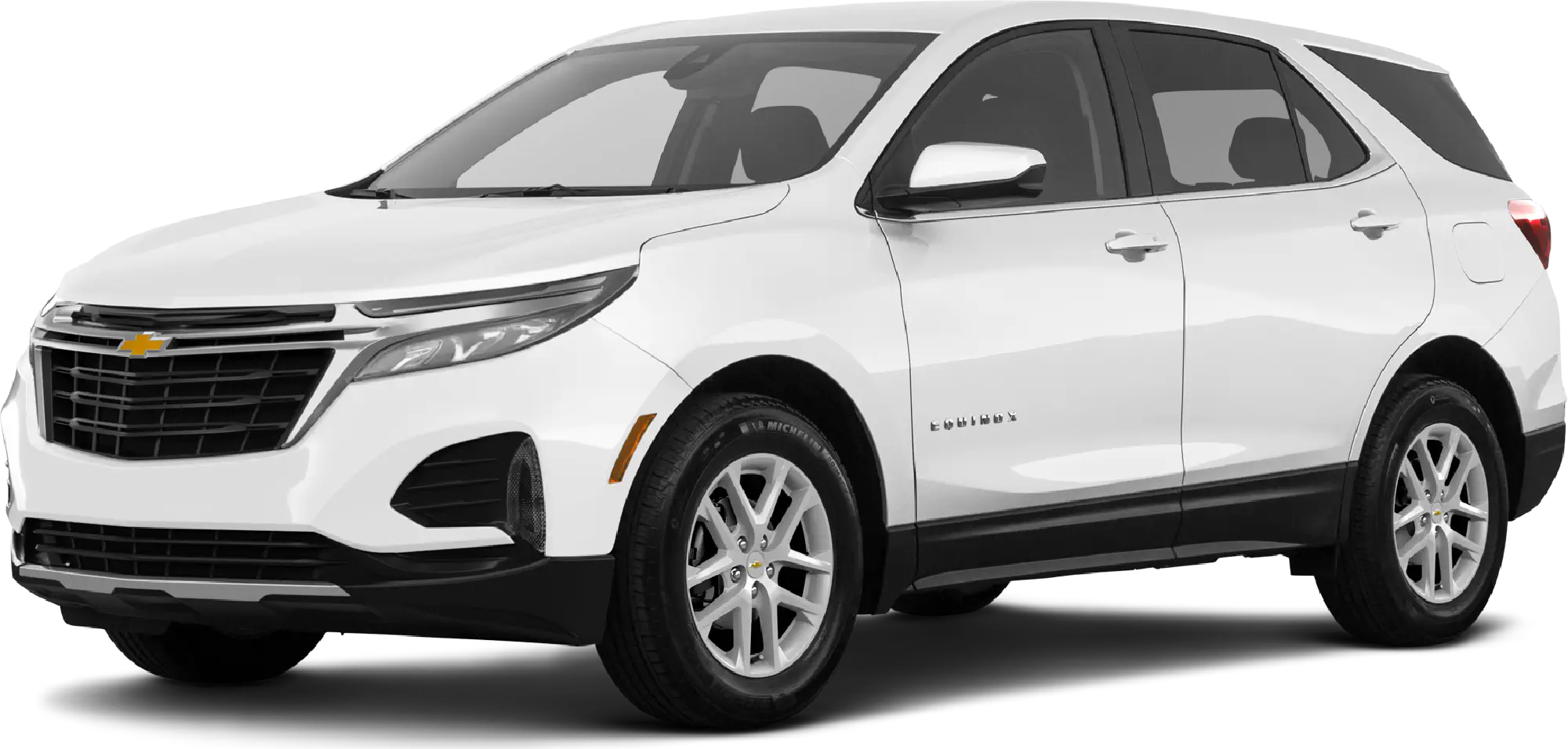
The Electric Transition: 2025 Equinox EV Problems
This guide reviews the most common early 2025 Chevrolet Equinox EV problems, repair expectations, maintenance tips, and whether you should be concerned as the model enters wider circulation.
The 2025 Chevy Equinox EV marks a major transition for the nameplate, shifting from gasoline power to a fully electric platform.
While early drivers praise the smooth acceleration, quiet ride, and modern cabin layout, initial reports also point to a handful of concerns typical of first-generation EV models. Understanding these early issues can help new owners stay ahead of potential reliability and usability challenges.
This guide reviews the most common early 2025 Chevrolet Equinox EV problems, repair expectations, maintenance tips, and whether you should be concerned as the model enters wider circulation.
Because the 2025 Equinox EV is new to the market, reported problems are still developing, but several themes have emerged.
Early owners report slow Level 2 charging sessions or inconsistent charging speeds at public DC fast chargers. These concerns may relate to software calibration or charger compatibility.
Some drivers have experienced frozen screens, occasional reboot loops, or delayed startup of the new EV-specific interface.
A few owners note that real-world range varies more than expected, especially in colder climates or during highway driving. This is common for new EV models as battery management software learns driving patterns.
Reports include intermittent alerts from lane-keep assist, adaptive cruise, or blind-spot monitoring. Sensor calibration or environmental interference may play a role.
Heating and cooling efficiency can impact range, and some early drivers report reduced cabin comfort in extreme weather.
These issues are typical for new EV launches and often resolve through software updates as automakers refine system behavior.
Because many early EV issues are software-related, some repairs cost little to nothing when addressed at a dealership. Below are early estimates based on comparable GM EV platforms:
Problem Category | Likely Cause | Diagnostic Cost | Repair Cost Range |
Charging inconsistencies | Software or charger mismatch | $120-$160 | $0-$700 |
Infotainment glitches | Software update | $120-$160 | $0-$800 |
Range variability | Battery management adaptation | $120-$160 | $0-$500 |
Driver-assist warnings | Sensor calibration | $120-$160 | $80-$450 |
HVAC inefficiency | Heat pump or refrigerant issue | $120-$160 | $250-$1,500 |
As with all EVs, battery-pack-related repairs are extremely expensive but remain under long-term warranty coverage for most new vehicles.
For details on extended protection, visit GrangerWarranty.com.
EVs typically require less maintenance than gasoline-powered vehicles, but proactive care still matters.
A high-quality Level 2 charger and proper electrical setup help prevent charging inconsistencies.
Most early issues are improved or resolved through OTA updates.
Improper tire inflation affects range, ride quality, and driver-assist system performance.
Warming or cooling the battery before driving helps improve efficiency and comfort.
Sudden changes in heating or cooling performance should be checked early to avoid energy waste or comfort issues.
These steps help maximize the 2025 Equinox EV’s range, comfort, and long-term dependability.
So far, the issues reported for the 2025 Equinox EV appear typical for a first-year electric model. Most concerns relate to software behavior rather than major mechanical defects. As GM refines system programming and more real-world data comes in, these problems may lessen.
However, EV components like battery packs and heat pumps can be expensive to repair out of warranty, making long-term protection worth considering.
If you’re planning to keep your 2025 Equinox EV long-term, a factory-backed extended warranty can help shield you from unexpected repair costs, especially for major electronic and HVAC components.
Granger Warranty provides nationwide coverage for Chevrolet vehicles, including new EV platforms. These plans cover key systems like the infotainment interface, onboard charging equipment, battery management components, and high-voltage HVAC systems.
You can compare plans and request a quote at GrangerWarranty.com.
The most common issues include charging inconsistencies, infotainment freezes, range estimate fluctuation, and occasional driver-assist system alerts.
Early indicators suggest the model is broadly reliable, with most issues tied to early software behavior rather than hardware failures.
Charging speed may vary due to charger compatibility, outside temperature, or software calibration. A dealer can run diagnostics if the issue persists.
Yes. EVs have fewer moving parts, but they still require software updates, HVAC checks, and occasional inspections.
Because EV components are expensive to repair, many owners choose extended protection for long-term peace of mind. You can explore options at GrangerWarranty.com.
If you’re concerned about potential long-term EV repair costs, a factory-backed extended warranty can offer significant peace of mind. Visit GrangerWarranty.com to compare plans and request a quote.
Stay up to date with the latest news from Granger Warranty