The Hidden Cost of Advanced Driver Assistance Features After Warranty
Advanced driver assistance systems have transformed the driving experience.
Features like adaptive cruise control, blind spot monitoring, lane keeping assist, automatic emergency braking, and parking sensors improve convenience and safety. Yet many owners do not realize how expensive these systems can become once factory warranty coverage expires.
Understanding ADAS repair costs after warranty is increasingly important as modern vehicles rely on dozens of cameras, sensors, radar modules, and electronic control units working together. A minor collision, windshield replacement, or sensor failure can lead to repair bills that surprise even experienced vehicle owners.
Advanced Driver Assistance Systems, commonly known as ADAS, use a network of cameras, radar sensors, ultrasonic sensors, and software modules to monitor the vehicle’s surroundings.
Many newer Ford, Chevrolet, Toyota, Ram, Jeep, Honda, Hyundai, and Nissan models include ADAS features as standard equipment. While these technologies can help reduce accidents, they also increase repair complexity.
Once the factory warranty expires, owners become responsible for repair expenses involving:
| ADAS Component | Typical Repair Cost |
|---|---|
| Front Radar Sensor | $800 - $2,500 |
| Blind Spot Sensor | $500 - $1,500 |
| Forward Camera | $700 - $2,000 |
| Parking Sensor | $150 - $800 |
| ADAS Control Module | $1,000 - $3,500 |
| Sensor Calibration | $250 - $1,500 |
Repair costs vary by manufacturer, vehicle model, and labor rates, but the trend is clear: advanced technology often means higher ownership costs.
Many drivers assume sensors are simple plug-and-play components. In reality, modern ADAS systems require extensive integration with multiple vehicle networks.
A front-facing camera may communicate with:
Replacing one component often requires software programming and calibration procedures before the vehicle can safely return to service.
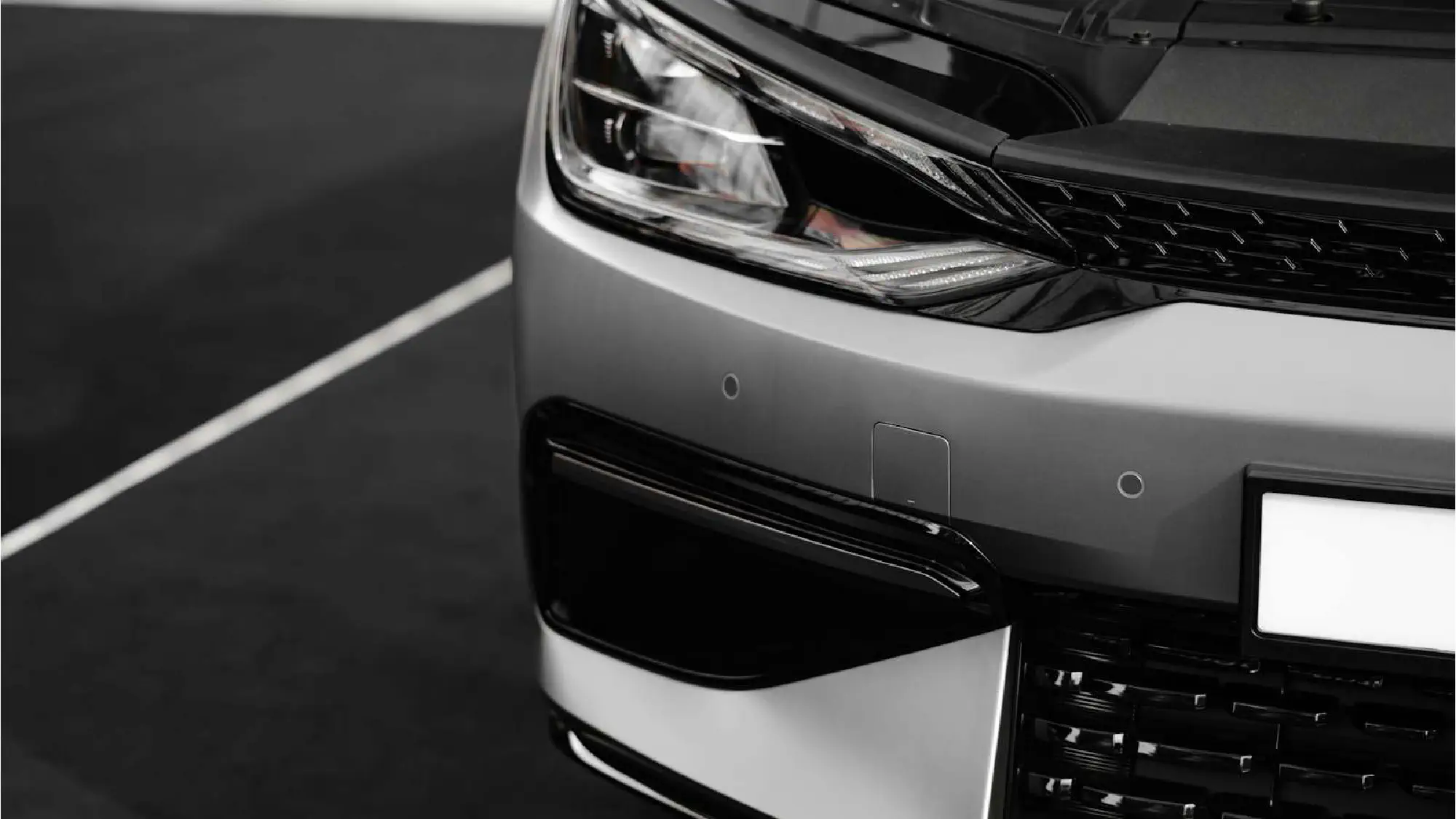
Even a small bumper impact can damage radar sensors hidden behind exterior panels. A repair that once involved replacing a plastic bumper cover may now include sensor replacement and recalibration.
This is one reason ADAS repair costs after warranty continue rising across nearly every major vehicle brand.
Diagnosis alone can become expensive because technicians must verify sensor operation, software communication, and calibration accuracy.
| Service | Average Cost |
|---|---|
| Diagnostic Scan | $150 - $300 |
| Camera Calibration | $300 - $1,000 |
| Radar Calibration | $250 - $1,500 |
| Sensor Replacement | $500 - $2,500 |
| Control Module Replacement | $1,000 - $3,500 |
| Windshield With Calibration | $800 - $2,500 |
Luxury vehicles often exceed these ranges due to additional sensors and proprietary software requirements.
Vehicles equipped with Level 2 driver assistance packages frequently require specialized calibration equipment that many independent repair facilities do not possess.
Many ADAS cameras are mounted directly behind the windshield.
When the windshield is replaced, the camera’s position can shift by fractions of an inch. That small change may affect how the vehicle interprets lane markings and nearby traffic.
As a result, manufacturers often require recalibration after windshield replacement.
Owners may expect a windshield replacement to cost several hundred dollars. Once calibration procedures are added, the total bill can exceed $2,000 on some vehicles.
This hidden expense is one of the most common examples of rising ADAS repair costs after warranty.
As vehicles age, several ADAS-related issues become more common.
Road debris, minor accidents, moisture intrusion, and corrosion can damage radar and ultrasonic sensors.
Windshield replacement, suspension modifications, and collision repairs can affect camera positioning.
Modern vehicles rely heavily on software updates and module communication. Faulty modules can trigger warning lights and disable safety features.
Complex electrical systems introduce more potential failure points, particularly in regions with severe weather and road salt exposure.
While some failures are unavoidable, owners can take steps to minimize risk.
Keep sensors clean and free from mud, snow, and road debris.
Address windshield chips quickly before replacement becomes necessary.
Avoid aftermarket modifications that alter ride height or sensor positioning.
Repair collision damage properly, even after seemingly minor impacts.
Follow manufacturer service recommendations and software update schedules.
Protecting ADAS components can help reduce long-term ownership expenses.
Technical Service Bulletins, commonly called TSBs, are manufacturer-issued documents that help technicians diagnose and repair known vehicle issues.
Unlike recalls, TSBs do not require manufacturers to provide free repairs. Instead, they offer repair procedures, updated parts information, and diagnostic guidance for recurring problems.
Owners can find TSB reports through the National Highway Traffic Safety Administration (NHTSA) database, manufacturer service portals, dealership service departments, and automotive repair information websites. Reviewing TSBs can help identify known ADAS concerns before they become expensive out-of-pocket repairs.
For many drivers, ADAS technology provides meaningful safety benefits that outweigh repair concerns.
The challenge appears when vehicles reach 60,000 to 100,000 miles and factory warranty coverage has expired. At that point, even a single radar sensor failure or camera calibration may cost more than many traditional mechanical repairs.
Truck owners, SUV owners, and drivers who keep vehicles long term often face the highest financial exposure because repair costs accumulate as vehicles age.
Understanding potential expenses allows owners to make more informed decisions about maintenance, repairs, and protection plans.
As vehicles become more technologically advanced, ownership costs increasingly shift from mechanical repairs to electronic systems and safety technology.
Many owners research vehicle protection options before factory warranty expiration because ADAS components can be among the most expensive systems to repair. Coverage options can help reduce exposure to unexpected repair bills involving advanced electronics, sensors, and control modules.
Granger Warranty provides vehicle service contract options for many popular makes and models nationwide. Drivers can explore coverage choices, pricing information, and plan details directly at Granger Warranty to better understand long-term ownership protection.
Most ADAS repairs range from $500 to $3,500 depending on the failed component, required calibration procedures, and vehicle manufacturer.
Many modern vehicles require camera recalibration after windshield replacement. Calibration costs typically range from $300 to $1,500.
Coverage depends on the specific contract and provider. Many plans cover certain electronic components and sensors, but owners should review coverage details carefully.
ADAS systems involve advanced electronics, software integration, programming, and calibration procedures that increase labor and equipment costs.
Radar sensors, blind spot monitoring sensors, forward-facing cameras, wiring harnesses, and control modules are among the most commonly repaired ADAS components.
Modern safety technology delivers impressive benefits, but it also introduces repair expenses many owners never anticipated. Understanding ADAS repair costs after warranty can help drivers prepare for future ownership expenses and avoid unexpected financial surprises.
To compare vehicle protection options and learn more about long-term repair cost management, visit Granger Warranty.
Stay up to date with the latest news from Granger Warranty