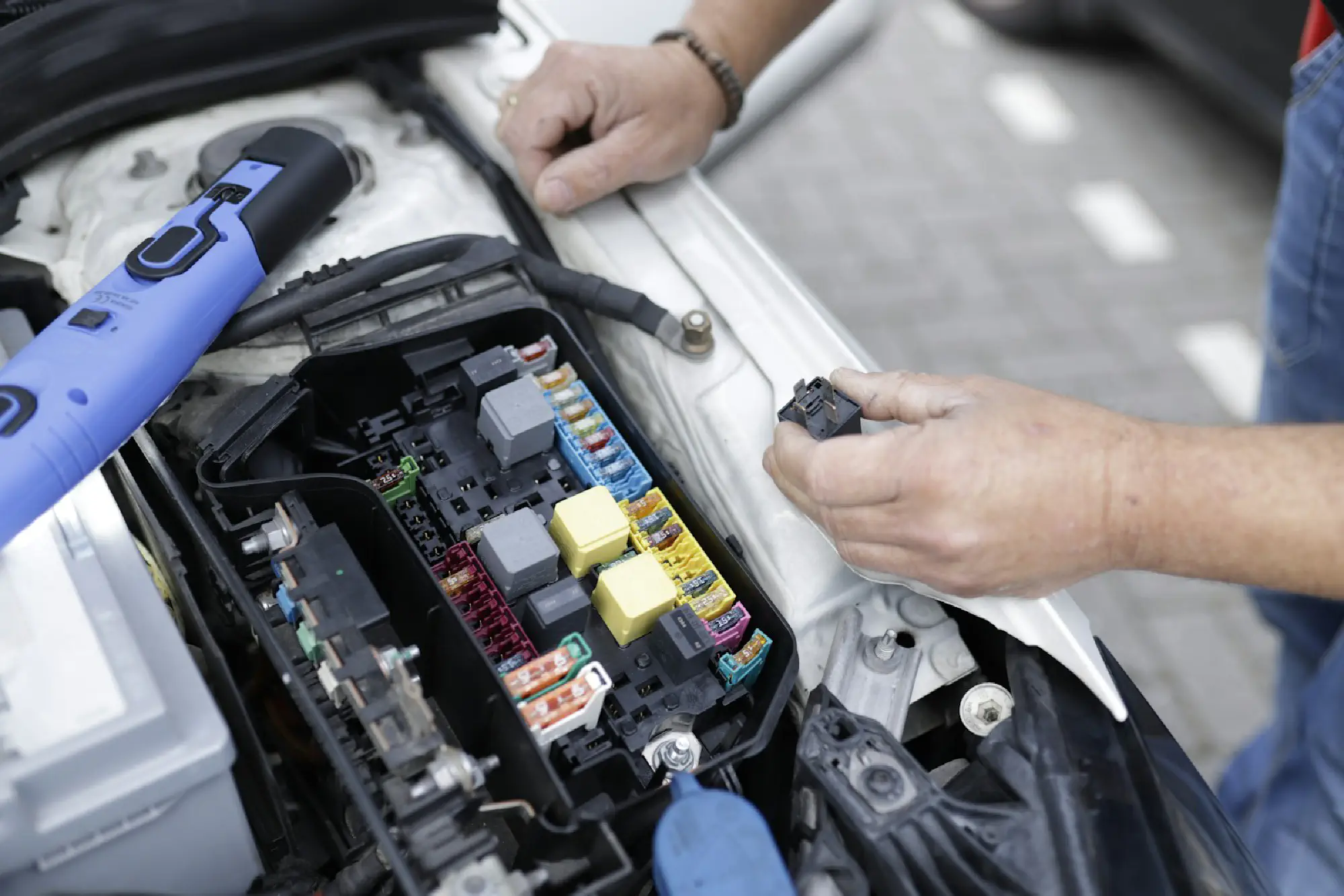
The Most Expensive Vehicle Modules to Replace in Modern Cars
Modern vehicles rely on dozens of electronic control modules to manage everything from engine performance to advanced driver assistance systems.
As technology becomes more sophisticated, the vehicle module replacement cost associated with these components continues to rise. What was once a simple mechanical repair can now involve software programming, calibration procedures, and expensive electronic hardware.
For vehicle owners planning to keep their cars, trucks, or SUVs beyond the factory warranty period, understanding which modules are the most expensive to replace can help prepare for future ownership costs and potential repair risks.
Today’s vehicles contain a network of computers known as electronic control modules (ECMs). These modules communicate with one another through complex data networks and are responsible for operating critical vehicle functions.
Common vehicle modules include:
| Module | Primary Function |
|---|---|
| Engine Control Module (ECM) | Controls engine operation |
| Transmission Control Module (TCM) | Manages shifting and transmission performance |
| Body Control Module (BCM) | Controls lighting, locks, windows, and accessories |
| ADAS Control Module | Operates safety systems and sensors |
| Battery Management Module | Manages hybrid and EV battery performance |
| Infotainment Module | Controls navigation, media, and connectivity |
| Airbag Control Module | Oversees crash detection and deployment |
As vehicles become increasingly connected and software-driven, replacing these components often involves both hardware and programming costs.
Several factors contribute to rising module replacement expenses.
Modern modules contain advanced processors, memory chips, communication interfaces, and proprietary software. Supply chain challenges and semiconductor shortages have also increased component prices.
In many cases, a replacement module cannot simply be installed and driven. Technicians must perform:
These additional labor procedures can significantly increase the total repair bill.
Some modules consistently rank among the costliest repairs after warranty expiration.
| Vehicle Module | Approximate Replacement Cost |
|---|---|
| Hybrid Battery Control Module | $1,000 - $3,500 |
| ADAS Control Module | $1,500 - $5,000+ |
| Infotainment Control Unit | $1,200 - $4,500 |
| Engine Control Module (ECM) | $900 - $3,000 |
| Transmission Control Module (TCM) | $800 - $2,500 |
| Air Suspension Control Module | $700 - $2,500 |
| Electric Vehicle Power Electronics Module | $2,000 - $8,000+ |
| Body Control Module (BCM) | $500 - $2,000 |
Actual costs vary based on vehicle make, model, labor rates, and software requirements.
Advanced Driver Assistance Systems have become standard equipment on many vehicles.
These systems depend on cameras, radar sensors, ultrasonic sensors, and central processing modules to support features such as:
When an ADAS module fails, replacement frequently requires recalibration of multiple sensors. This can push repair costs well beyond the price of the module itself.
Modern infotainment systems serve as central hubs for vehicle functions. Beyond navigation and entertainment, they often control climate settings, camera systems, driver profiles, and connectivity features.
A failed infotainment module may require complete replacement and software initialization. Luxury vehicles can see repair costs exceeding $4,000 for these systems.
Hybrid and electric vehicles rely on specialized battery control modules to monitor voltage, temperature, charging behavior, and overall battery health.
While the battery itself often receives attention, supporting electronic modules can also be expensive. Failure of these components can lead to reduced range, charging issues, or warning lights that require professional diagnosis.
Before a module is replaced, technicians must confirm the root cause of the failure.
Typical diagnostic costs include:
| Service | Approximate Cost |
|---|---|
| Basic Electronic Diagnosis | $100 - $200 |
| Advanced Network Diagnosis | $200 - $500 |
| ADAS Diagnostic Testing | $250 - $700 |
| Software Programming | $150 - $500 |
| Calibration Procedures | $200 - $1,000+ |
Because many symptoms overlap across multiple systems, accurate diagnosis is critical before replacing expensive components.
Technical Service Bulletins, commonly called TSBs, are manufacturer-issued documents that help dealerships and repair facilities identify known vehicle issues and recommended repair procedures. A TSB is not a recall, but it often provides valuable information about software updates, module failures, wiring concerns, or calibration procedures.
Vehicle owners can find TSB reports through manufacturer websites, dealership service departments, the National Highway Traffic Safety Administration (NHTSA) database, and various automotive repair information services. Reviewing TSBs can sometimes identify a known issue before paying for extensive diagnostics.
While electronic failures cannot always be prevented, several maintenance practices may reduce risk.
Keep battery systems healthy. Low voltage conditions can create communication errors and stress electronic modules.
Address warning lights promptly. Ignoring system faults can sometimes lead to cascading failures that affect multiple modules.
Protect the vehicle from water intrusion. Moisture remains one of the leading causes of electronic component damage.
Install manufacturer software updates when available. Many automakers release updates that improve reliability and address known module concerns.
Maintain charging systems properly. Alternator and battery issues can negatively impact sensitive electronics throughout the vehicle.
For many owners, module failures remain relatively uncommon during the first several years of ownership.
The risk tends to increase as vehicles age and accumulate mileage. Trucks, SUVs, luxury vehicles, hybrids, and electric vehicles often contain more electronic systems than ever before, creating additional repair exposure after factory coverage expires.
A single module failure may cost hundreds or even thousands of dollars. Multiple failures over several years can significantly increase total ownership costs.
That does not mean modern vehicles are unreliable. It simply means that today’s repair risks are increasingly electronic rather than mechanical.
As vehicles become more dependent on software, sensors, and interconnected control units, repair expenses continue to evolve. Owners planning to keep their vehicles beyond factory warranty coverage often evaluate extended protection options to help manage unexpected repair costs.
Granger Warranty helps drivers compare coverage options for Ford, Chevrolet, Toyota, Ram, Jeep, Dodge, Chrysler, and other major brands. With transparent pricing and nationwide coverage options, vehicle owners can better prepare for the rising cost of modern automotive technology.
Learn more about available coverage plans at Granger Warranty and explore solutions designed to help reduce the financial impact of expensive electronic repairs.
Most module replacements range from $500 to $3,000, although advanced systems such as ADAS controllers and EV power electronics can exceed $5,000.
Some modules can be repaired by specialized electronic repair facilities. Success depends on the type of failure and availability of replacement components.
Modern modules must communicate with other vehicle systems. Programming ensures proper operation, security, authentication, and software compatibility.
Factory warranties typically cover module failures during the coverage period. After expiration, owners are generally responsible unless additional protection coverage is in place.
Body control modules, infotainment systems, and certain transmission control modules are among the more commonly reported electronic failures, though reliability varies significantly by vehicle model and manufacturer.
Stay up to date with the latest news from Granger Warranty