The Real Cost of Calibrating Safety Systems After an Accident
Modern vehicles rely on dozens of sensors, cameras, radar modules, and electronic control systems to help drivers avoid accidents.
Features such as automatic emergency braking, lane departure warning, adaptive cruise control, blind spot monitoring, and pedestrian detection all depend on Advanced Driver Assistance Systems (ADAS) functioning correctly.
Many vehicle owners are surprised to learn that even a minor collision can require extensive recalibration of these safety systems. In many cases, the ADAS calibration cost can add hundreds or even thousands of dollars to an otherwise routine repair.
Understanding why these calibrations are necessary and what they typically cost can help drivers avoid unexpected expenses after an accident.
ADAS calibration is the process of ensuring cameras, sensors, radar units, and related components are properly aligned and communicating accurately after a repair.
Modern safety systems rely on precise measurements. A front radar sensor that is off by only a few millimeters may incorrectly judge following distance. A windshield-mounted camera that is slightly misaligned could fail to recognize lane markings properly.
Common repairs that often require calibration include:
Even when sensors themselves are not damaged, surrounding structural repairs can alter their position enough to require recalibration.
Unlike traditional vehicle components, ADAS systems depend on exact positioning.
Many modern vehicles contain:
| ADAS Component | Function |
|---|---|
| Forward Camera | Lane keeping and traffic sign recognition |
| Radar Sensor | Adaptive cruise control and collision warning |
| Ultrasonic Sensors | Parking assistance |
| Blind Spot Sensors | Vehicle detection in adjacent lanes |
| Surround View Cameras | 360-degree visibility |
| LiDAR Sensors | Advanced object detection |
If any of these components are misaligned, the vehicle may provide inaccurate warnings or fail to activate safety features when needed.
Automakers establish strict calibration procedures that must be followed whenever certain repairs are performed.
The ADAS calibration cost varies based on vehicle make, model, repair type, and the number of systems requiring adjustment.
| Calibration Service | Average Cost |
|---|---|
| Single Camera Calibration | $250 - $600 |
| Radar Sensor Calibration | $300 - $900 |
| Blind Spot Monitor Calibration | $250 - $800 |
| Multi-System Calibration | $800 - $2,500+ |
| Luxury Vehicle Full Calibration | $1,500 - $4,000+ |
Luxury vehicles and trucks equipped with multiple driver assistance systems often require extensive calibration procedures that can take several hours to complete.
Certain models from Ford, Toyota, Chevrolet, GMC, Jeep, Ram, BMW, Mercedes-Benz, and Audi may require both static and dynamic calibrations, increasing labor time and overall repair cost.
There are two primary types of ADAS calibration.
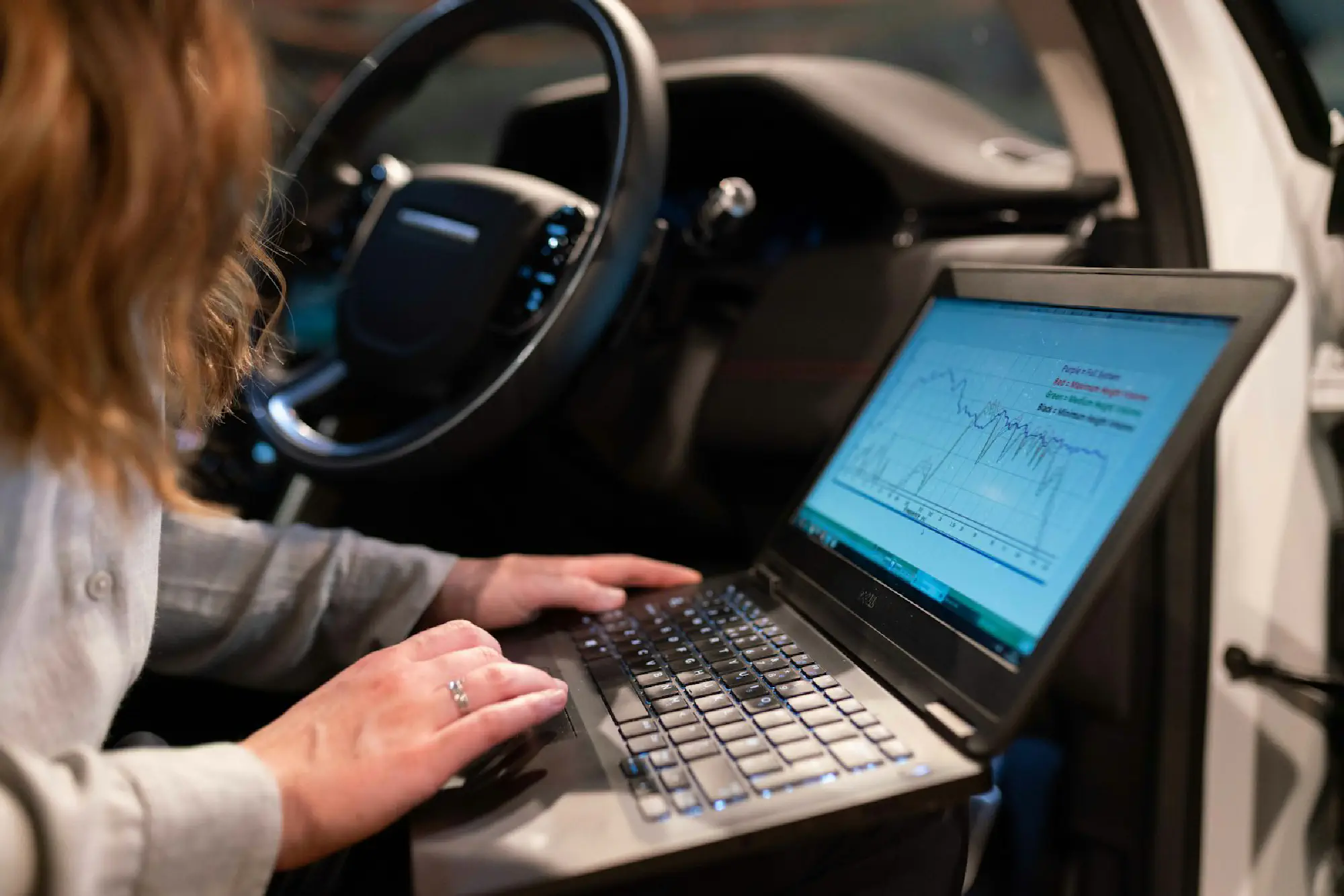
Static calibration occurs inside a repair facility using manufacturer-approved targets, lasers, alignment equipment, and specialized software.
Technicians position calibration targets at exact distances from the vehicle and use diagnostic equipment to reset system parameters.
Dynamic calibration requires driving the vehicle under specific conditions while onboard systems learn and verify sensor positioning.
Manufacturers may require:
Many vehicles require both calibration methods to fully restore system functionality.
Many drivers focus only on visible damage following an accident. The reality is that advanced safety technology can significantly increase repair expenses.
Potential additional costs include:
| Additional Service | Typical Cost |
|---|---|
| Wheel Alignment | $100 - $300 |
| Diagnostic Scan | $100 - $250 |
| Sensor Replacement | $300 - $2,000+ |
| Camera Replacement | $500 - $1,500+ |
| Radar Module Replacement | $1,000 - $3,500+ |
Insurance companies increasingly recognize these expenses as a normal part of modern collision repairs, but deductibles and coverage limitations may still leave vehicle owners responsible for a portion of the bill.
A Technical Service Bulletin (TSB) is a communication issued by a vehicle manufacturer to dealerships and repair facilities regarding known issues, updated repair procedures, software updates, or calibration requirements.
TSBs do not represent recalls, but they can provide valuable information when diagnosing vehicle problems or determining proper repair procedures after a collision. Vehicle owners can often find TSB information through manufacturer websites, dealership service departments, the National Highway Traffic Safety Administration (NHTSA) database, or trusted automotive repair resources.
Reviewing applicable TSBs can help ensure repairs and calibrations are completed according to current manufacturer recommendations.
While accidents cannot always be avoided, vehicle owners can reduce unnecessary expenses by following a few best practices.
Choose repair facilities that are experienced with modern driver assistance systems. Facilities equipped with OEM diagnostic tools and calibration equipment are more likely to complete repairs correctly the first time.
Drivers should also avoid delaying repairs. Damaged sensors, cameras, or mounting brackets can create additional problems if left unaddressed.
Maintaining proper wheel alignment, suspension components, and windshield condition can also help preserve calibration accuracy over time.
For many drivers, the answer is yes.
Vehicles continue to add more technology every model year. Features that once appeared only on luxury vehicles are now common on mainstream SUVs, trucks, and sedans.
As ADAS technology becomes more sophisticated, repair complexity and ownership costs continue to increase. A relatively small collision that once required only cosmetic repairs may now involve multiple electronic systems, diagnostics, and calibrations.
Understanding these costs before a repair is needed can help drivers make informed decisions about long-term vehicle ownership.
Advanced safety systems improve vehicle safety, but they also increase repair complexity and cost. As vehicles age beyond their original warranty period, owners may face expensive electronic repairs involving cameras, sensors, control modules, and related components.
Granger Warranty helps drivers protect themselves from unexpected repair expenses with comprehensive vehicle protection plans for many popular Ford, Chevrolet, Toyota, Ram, Jeep, Dodge, Chrysler, and other major vehicle brands. Coverage options can help reduce the financial impact of modern vehicle technology as repair costs continue to rise.
To learn more about available coverage options, visit Granger Warranty and explore plans designed to help provide greater confidence throughout vehicle ownership.
Most calibrations range from $250 to $2,500 depending on the number of sensors involved and the complexity of the vehicle.
Many modern vehicles require recalibration after windshield replacement because forward-facing cameras are often mounted directly to the glass.
Skipping calibration is not recommended. Misaligned safety systems may fail to operate properly and could increase accident risk.
Many insurance policies cover calibration when it is required as part of a collision repair. Deductibles and policy limits may still apply.
Vehicles continue to add more cameras, radar sensors, software systems, and automated driving features. Increased complexity leads to higher diagnostic, repair, and calibration expenses.
Advanced safety technology is becoming standard equipment across the automotive industry, but those systems come with increasingly expensive repair requirements. Understanding potential ADAS calibration cost exposure can help vehicle owners prepare for future ownership expenses and make smarter protection decisions.
Learn more about vehicle protection plans and long-term ownership strategies by visiting Granger Warranty.
Stay up to date with the latest news from Granger Warranty